
- Home
-
About Us



-
Safari
- Destinations
Warning: Trying to access array offset on value of type null in /home/u213050852/domains/gokilimanjarotreks.com/public_html/tanzania-mountains-details.php on line 16
The 8-Day Northern Circuit Route
8 Days
$ On Request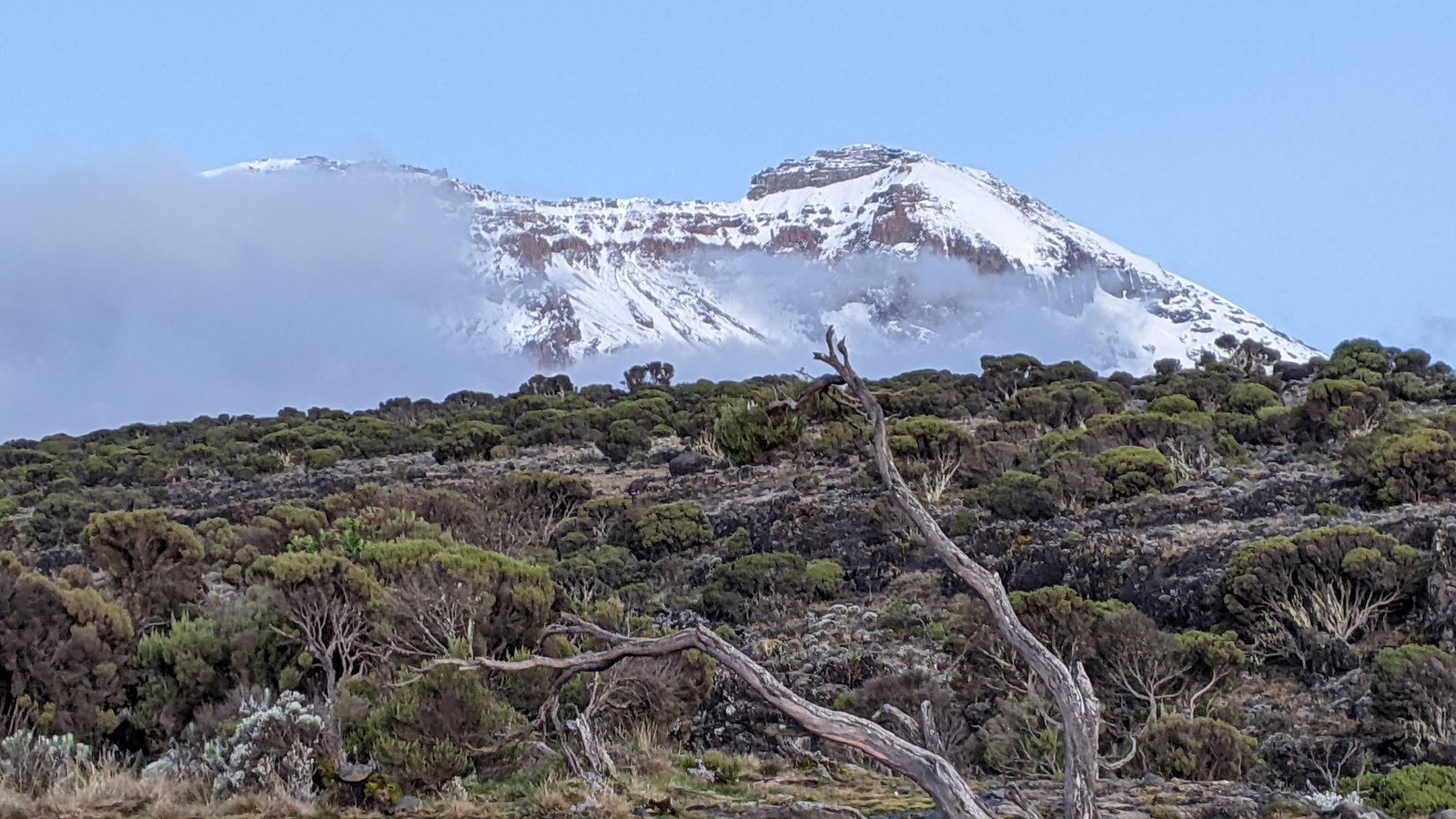
Highlights
- Highest Summit Success Rate
- Full Circumnavigation of Kilimanjaro
- Low Traffic Route
- Scenic Diversity
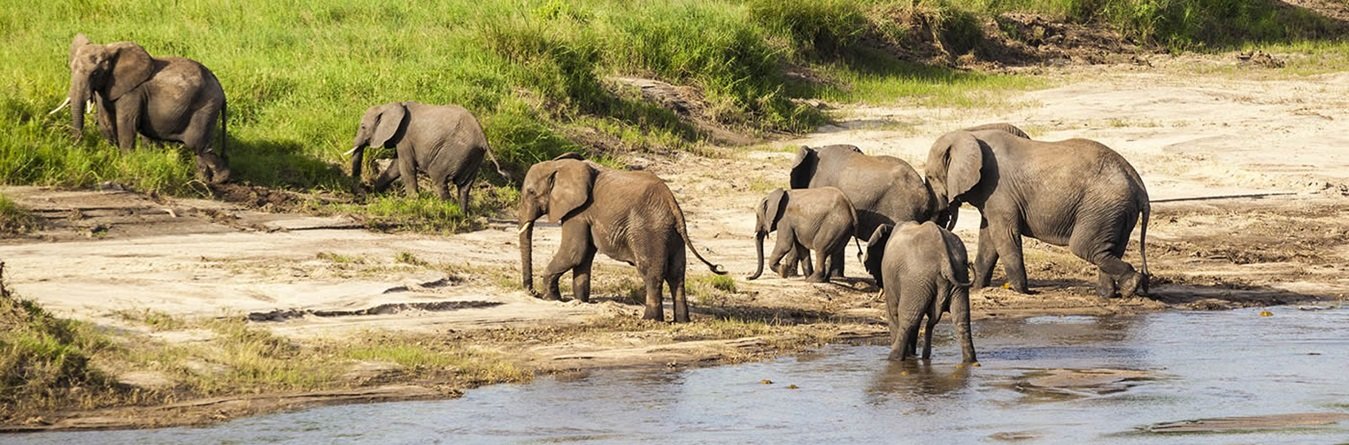
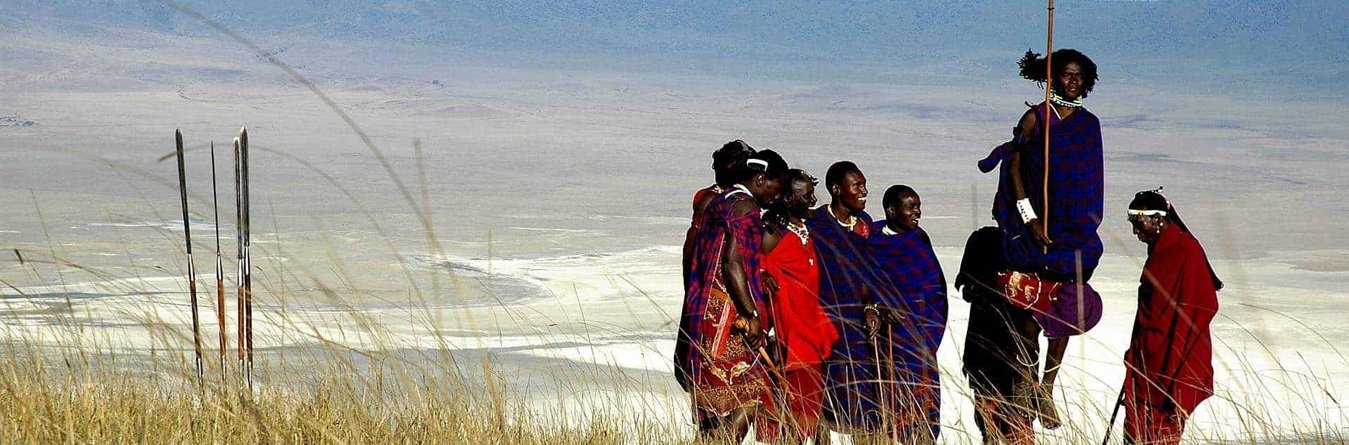
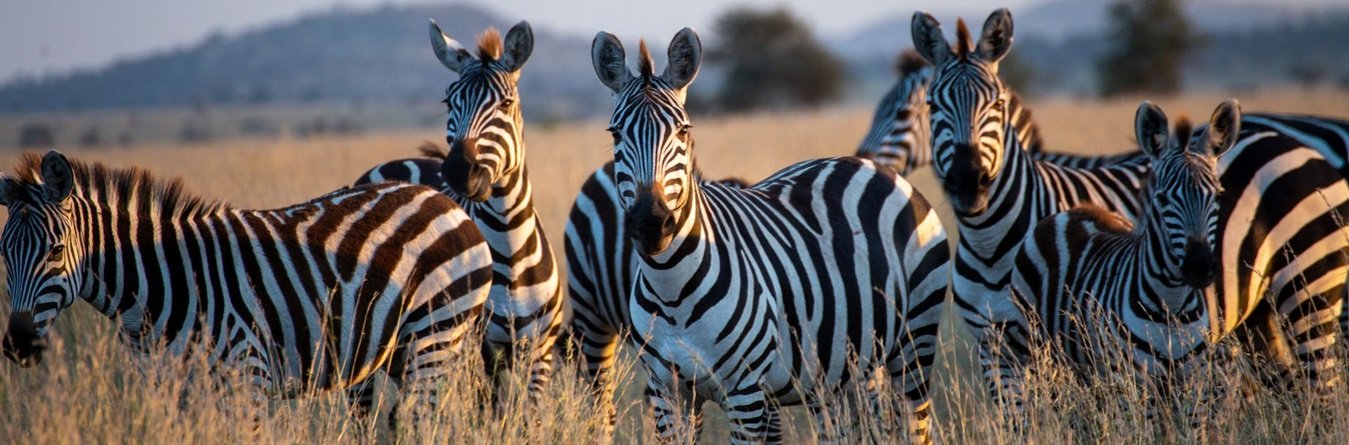
- Wildlife and Cultural Interest
Modern & BeautifulRelated Tanzania Mountains
 Duration: 7–9 Days (depending on the route)$ On Request
- Destinations



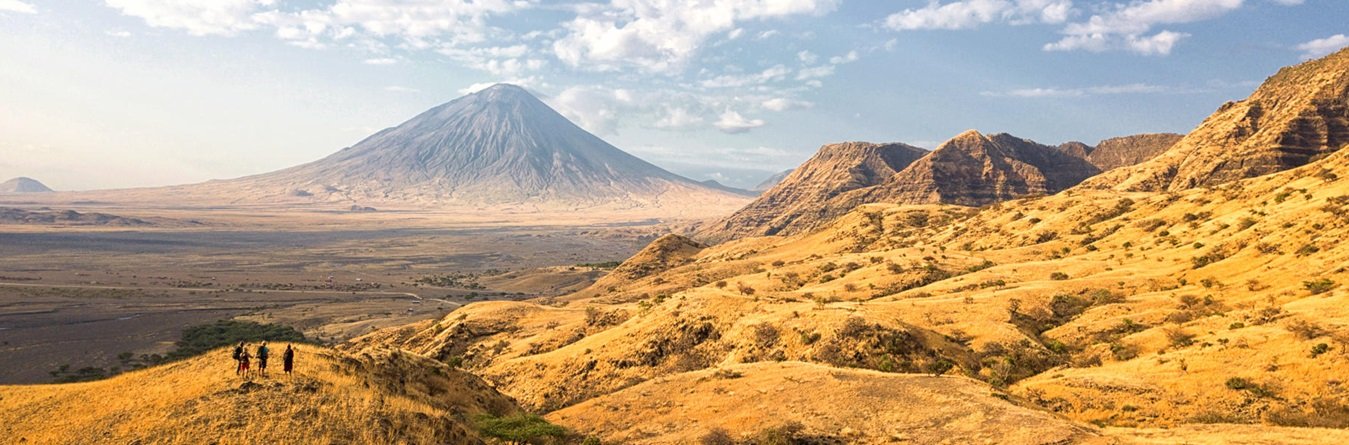
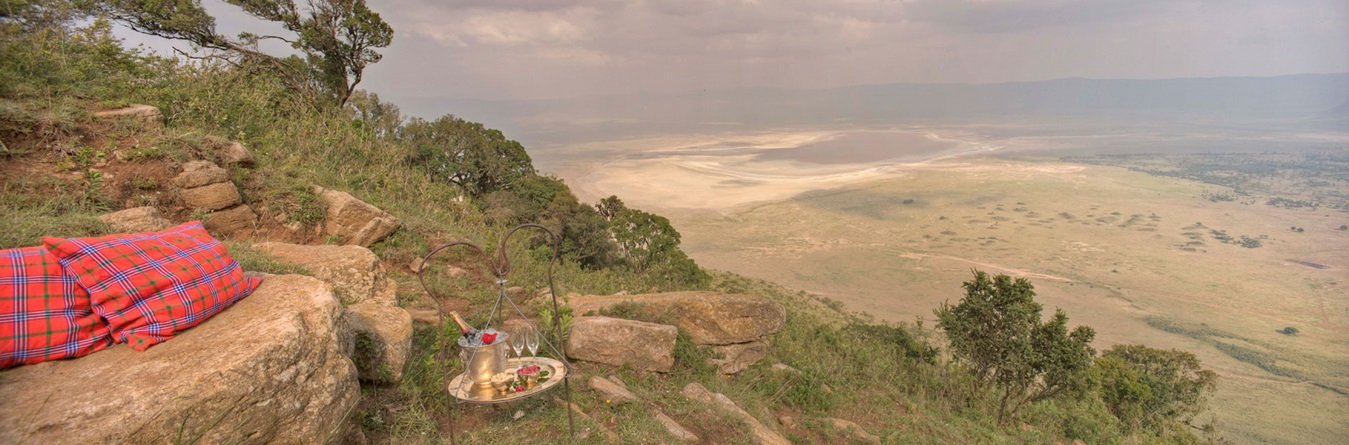
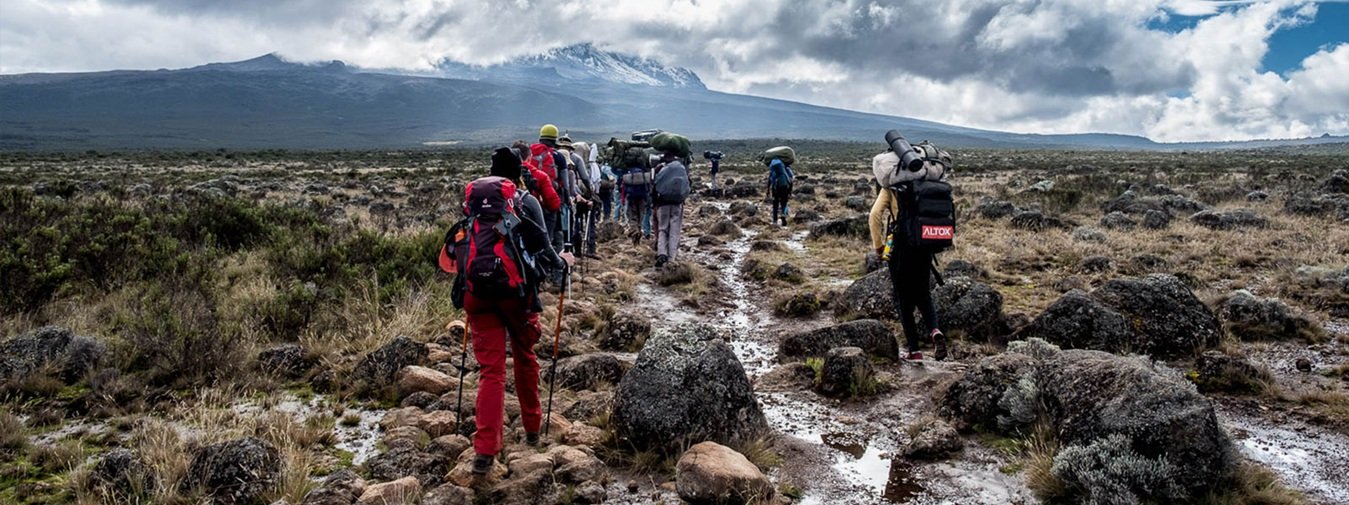


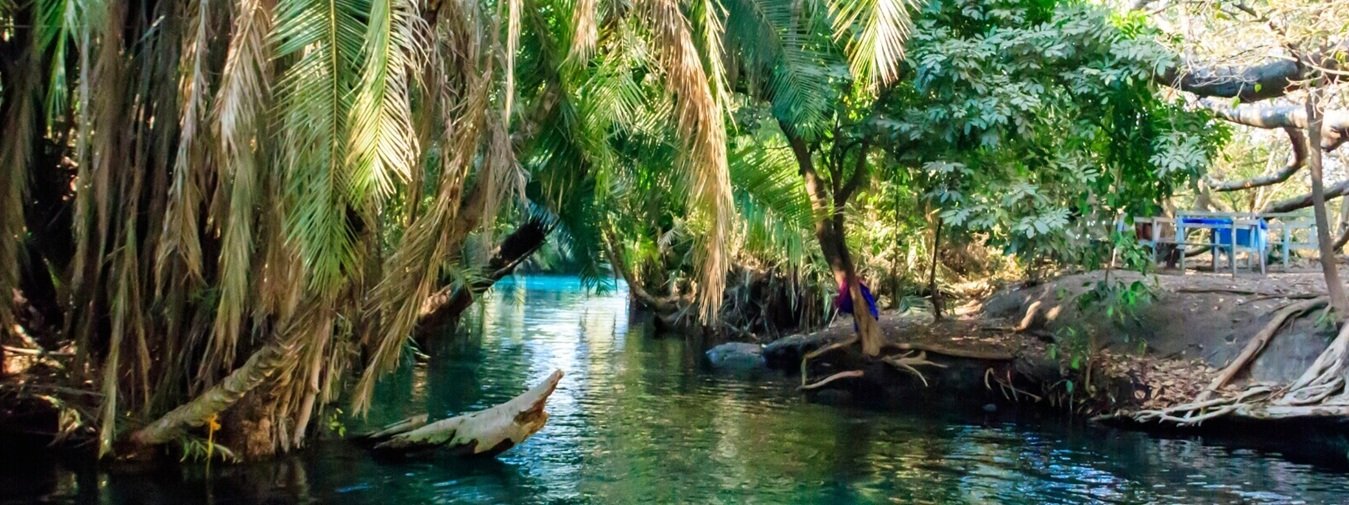


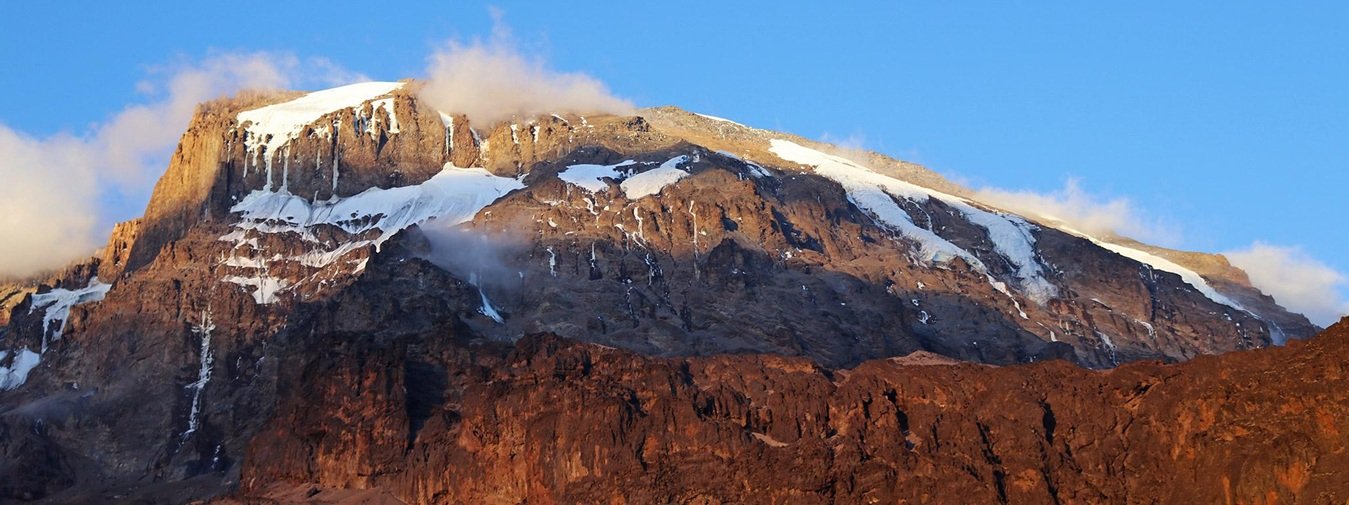

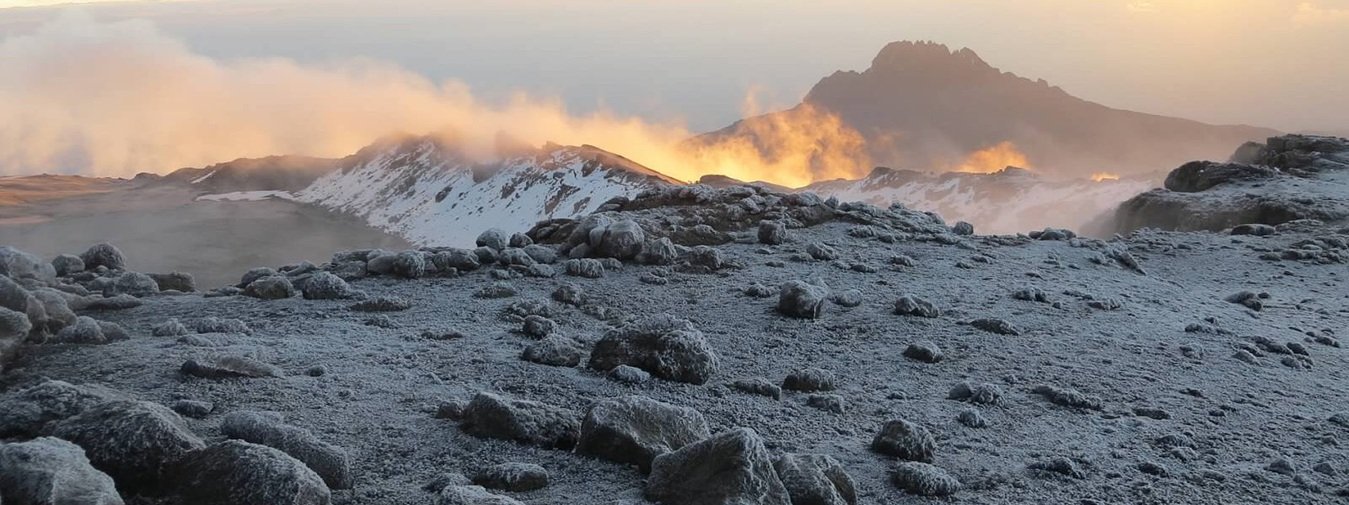
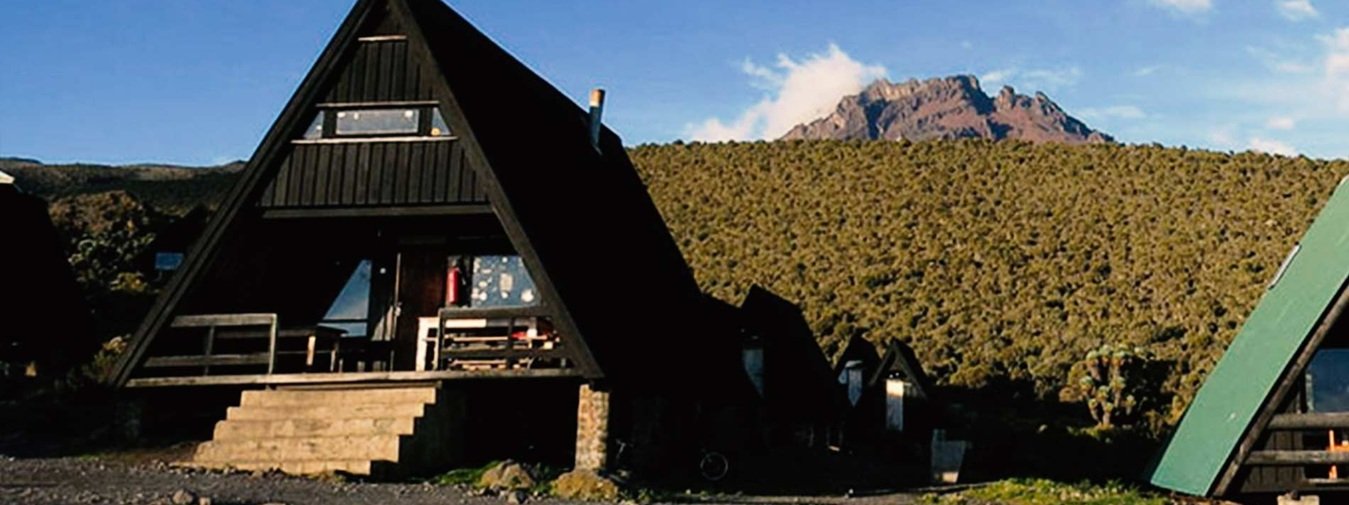
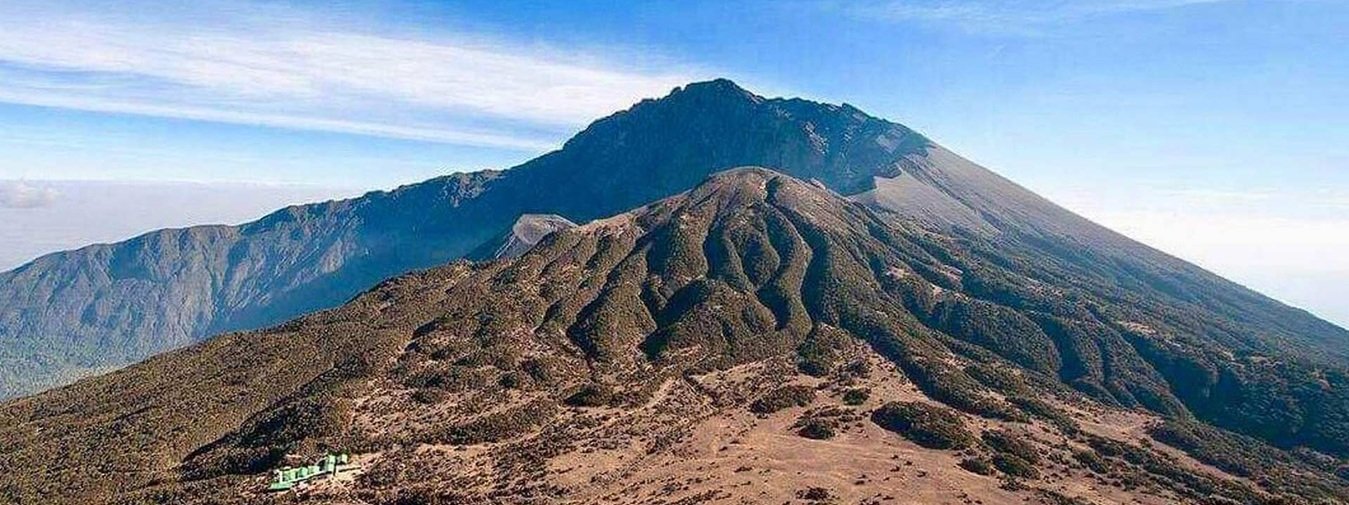
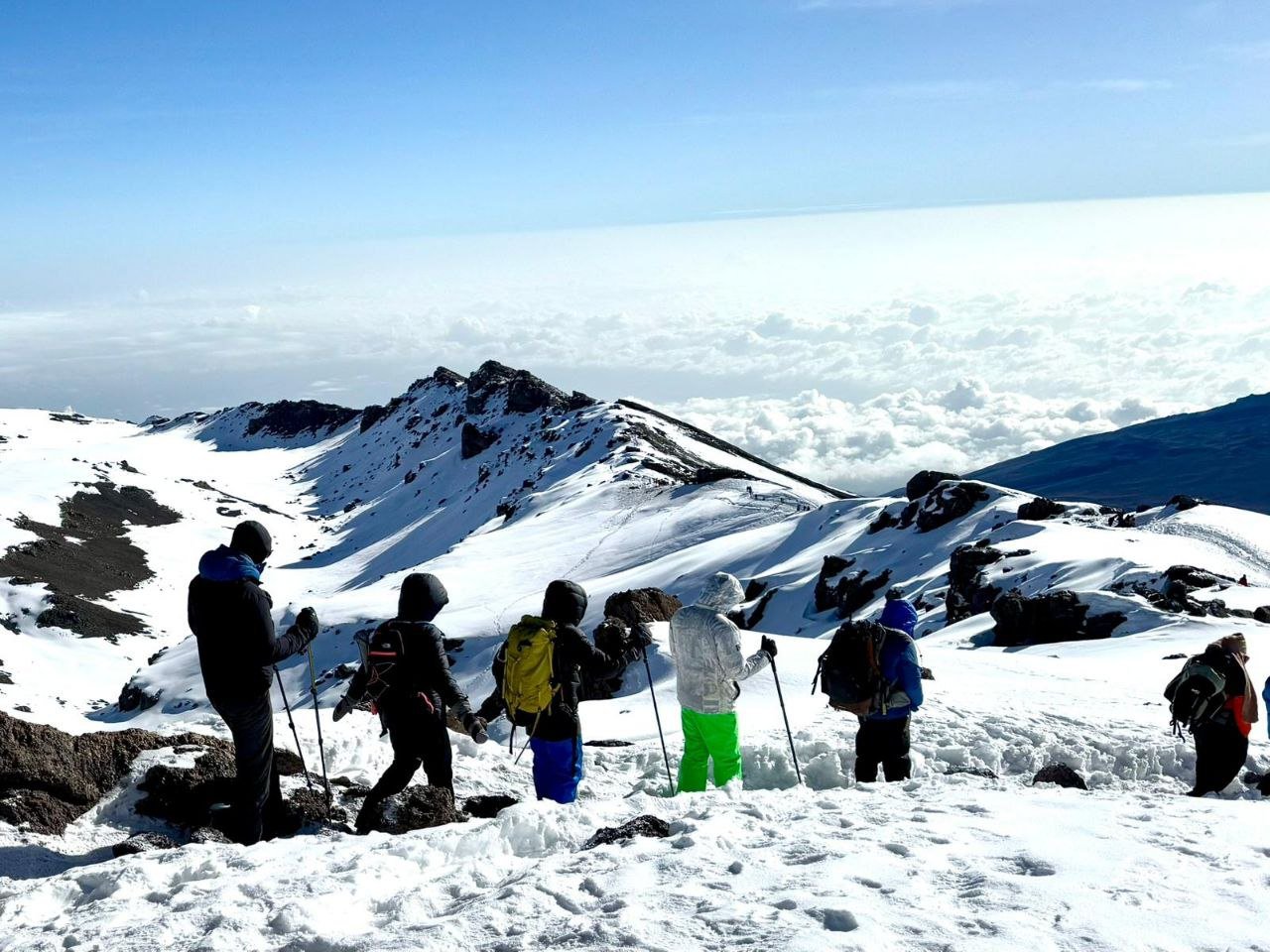
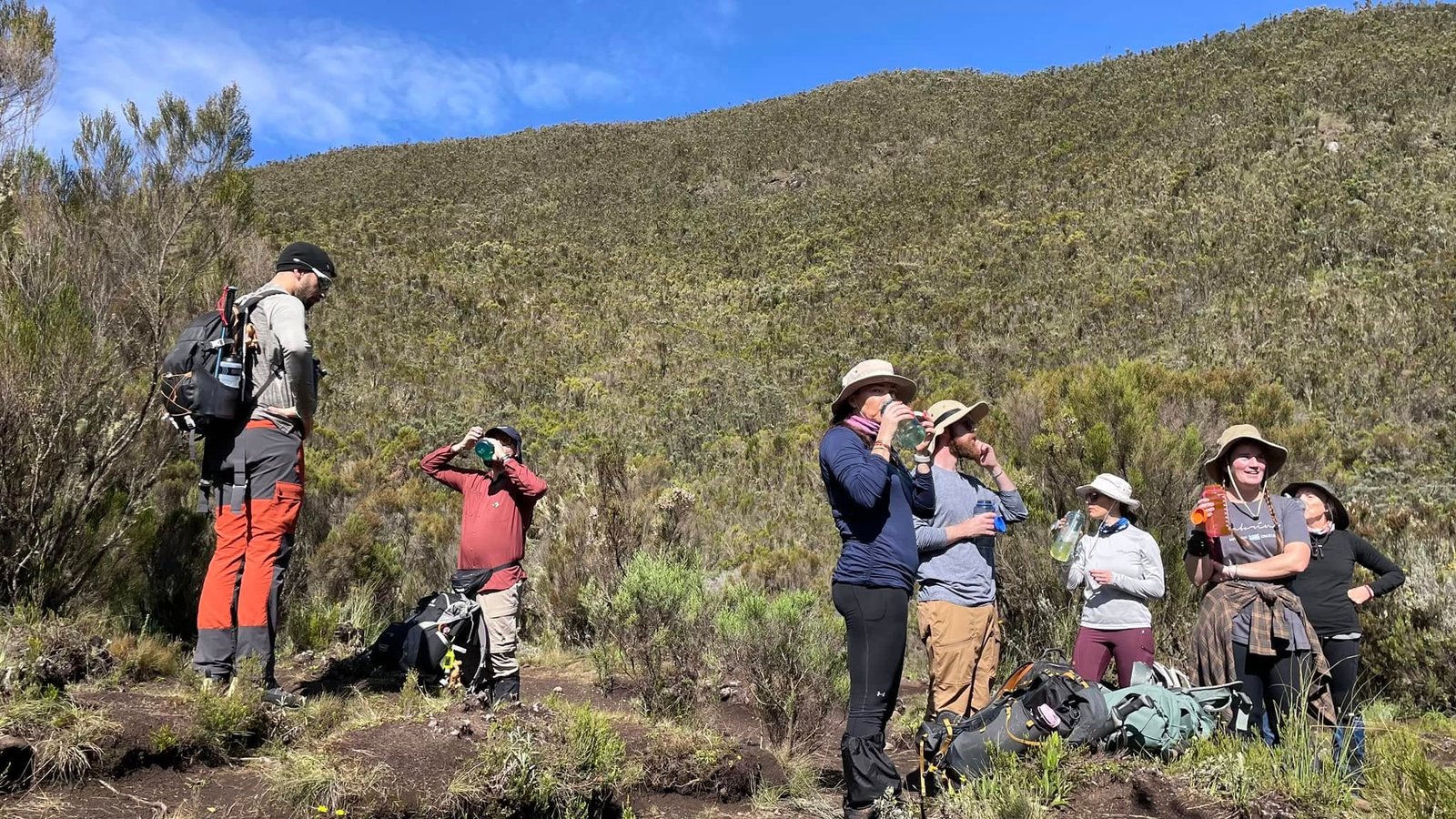
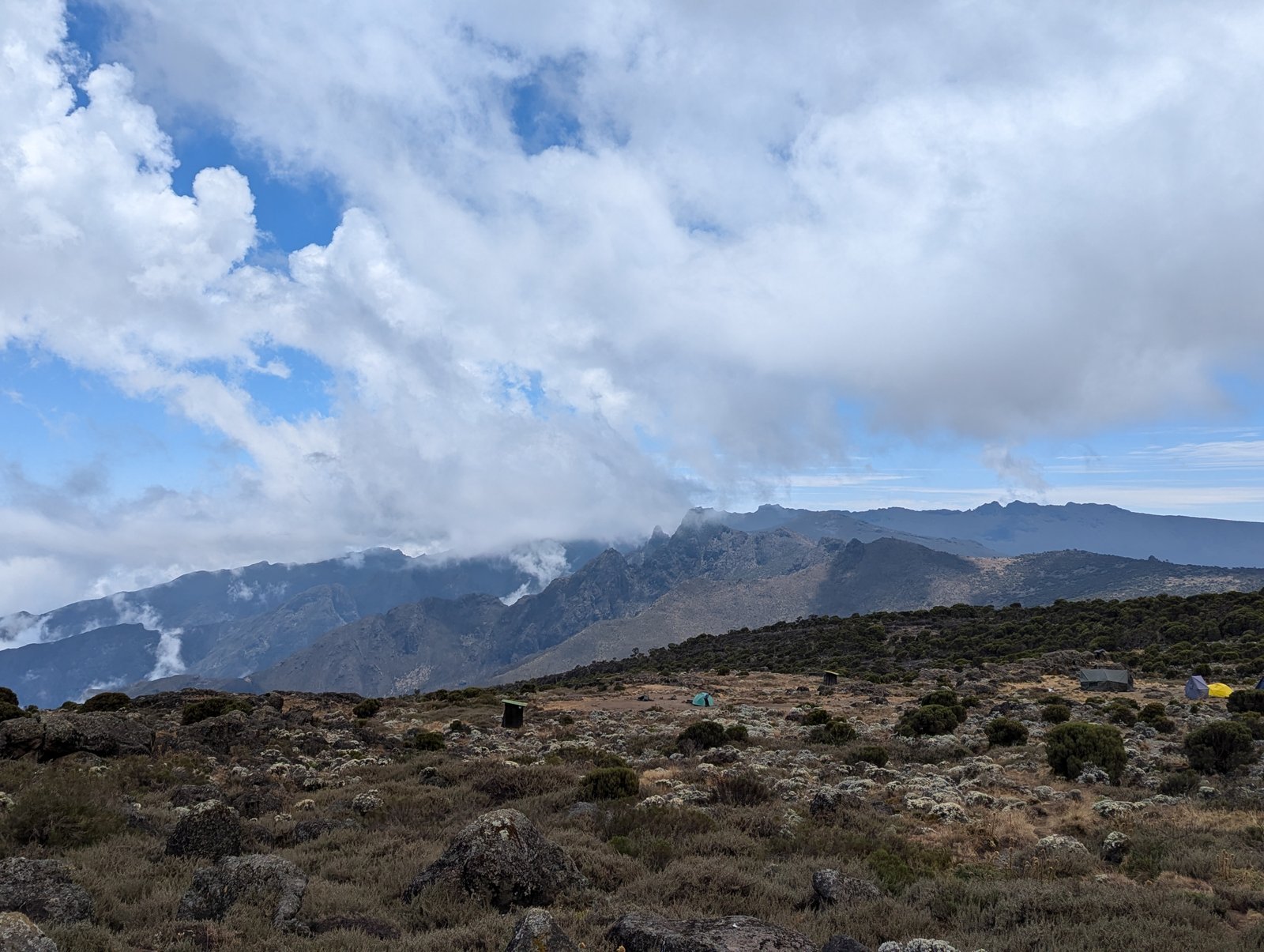
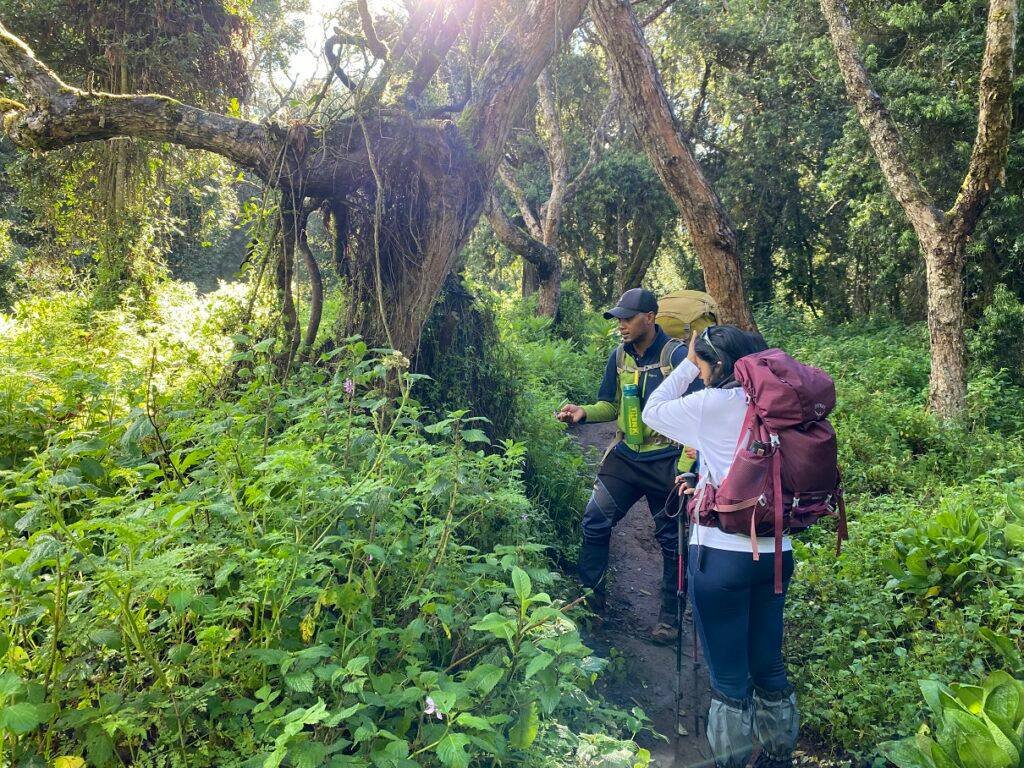

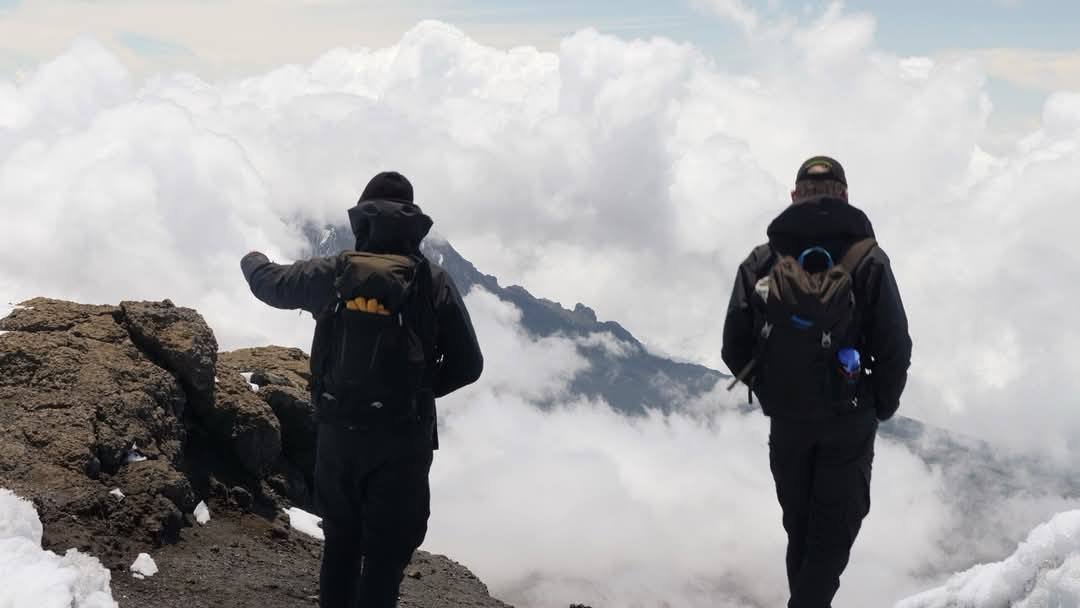
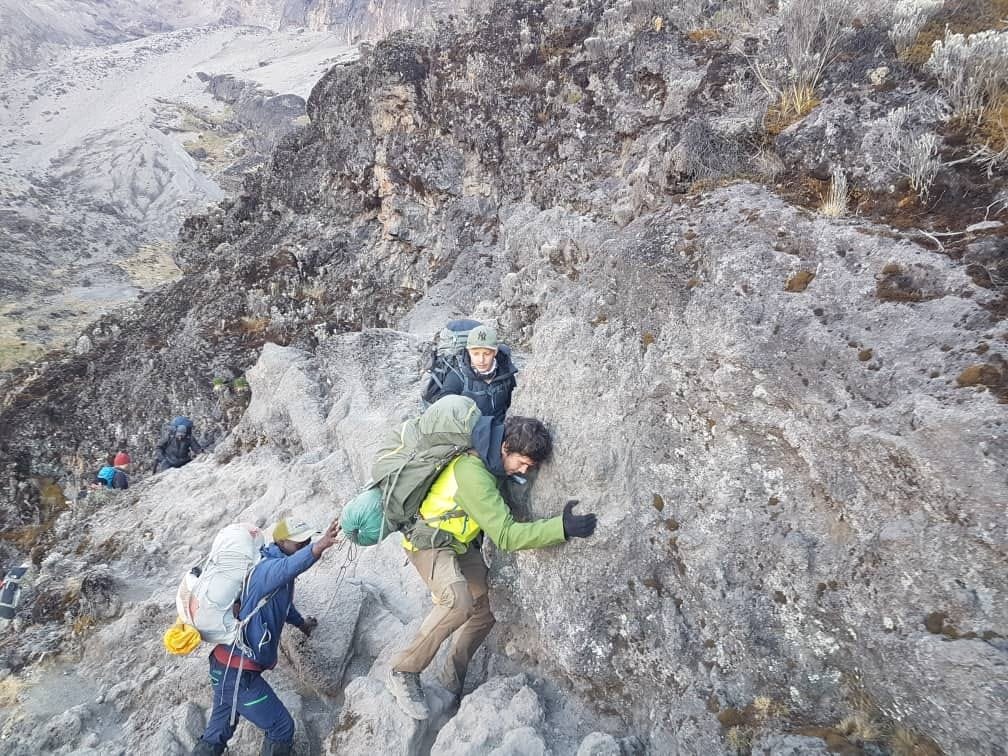

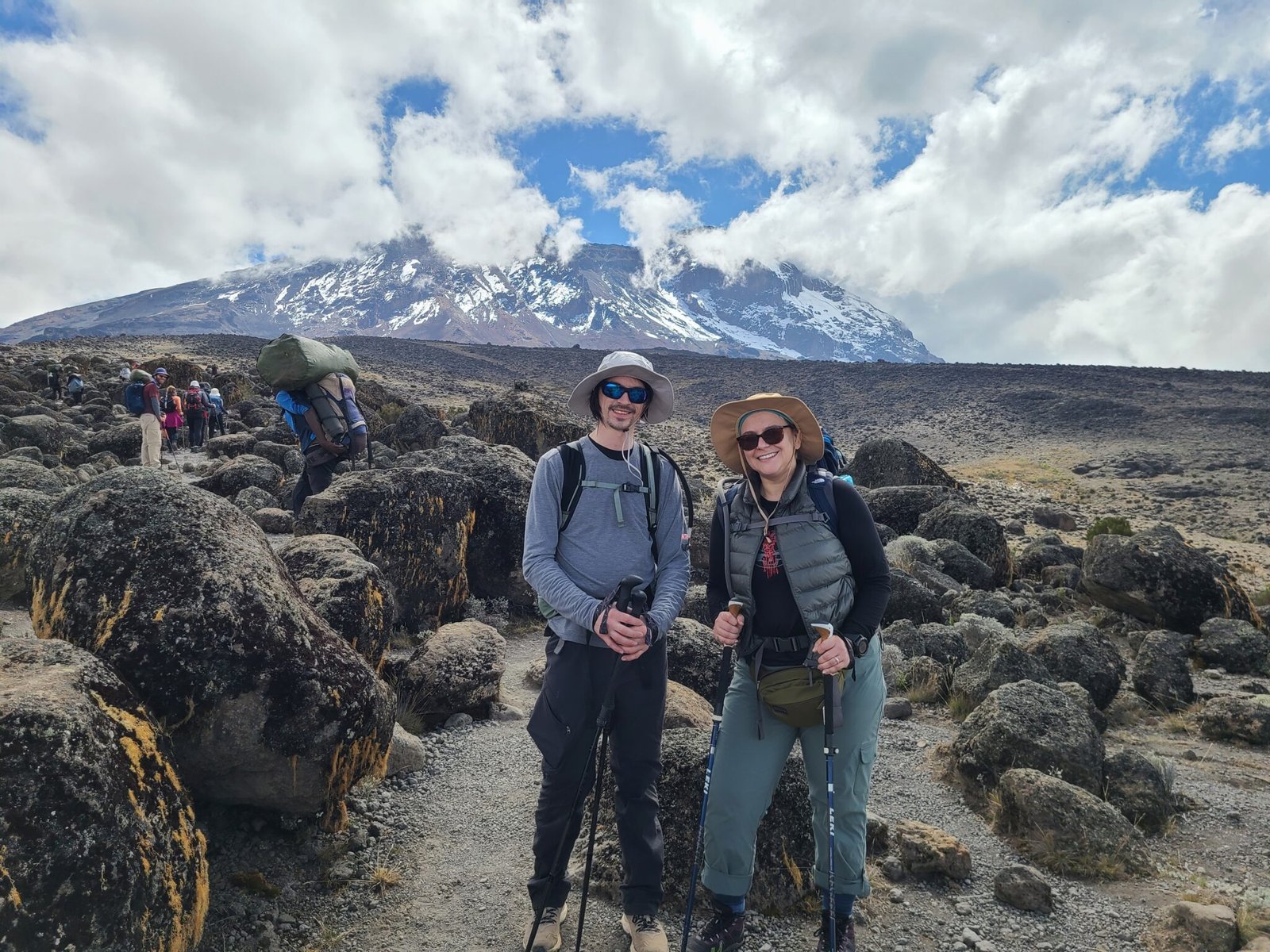
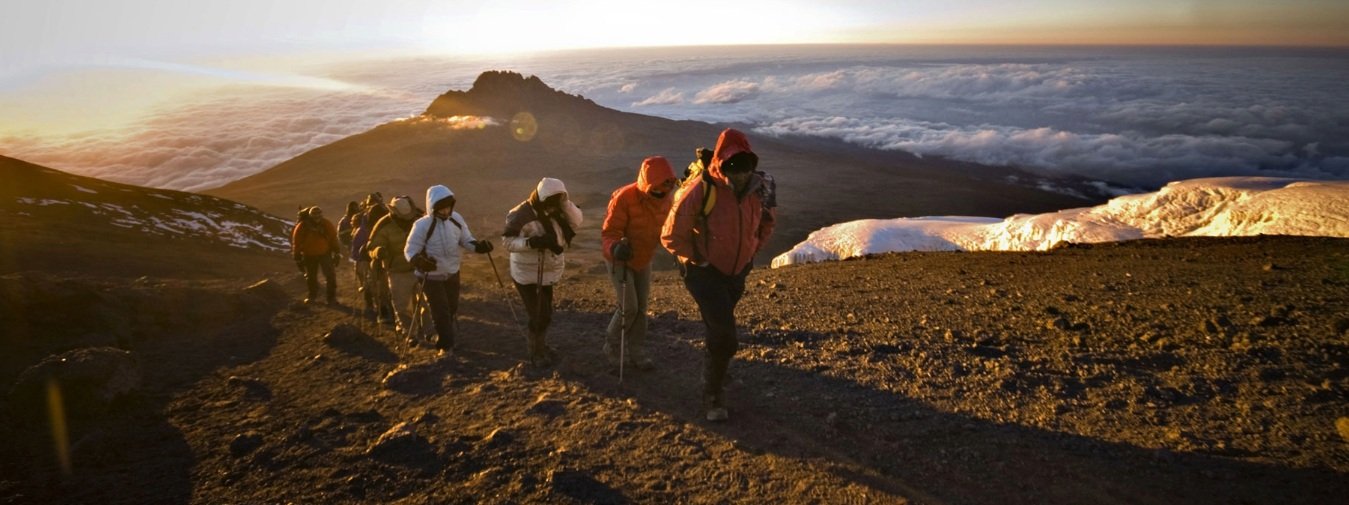
The 8-Day Northern Circuit Route is the longest and one of the most scenic routes to the summit of Mount Kilimanjaro, offering a 360-degree trek around the mountain. Beginning at the Lemosho Gate on the western slopes, the trail gradually ascends through lush rainforest, open moorlands, and alpine desert. The route then branches off north around Kilimanjaro's rarely visited northern face, providing panoramic views and a tranquil trekking experience away from the crowds. This longer itinerary allows for better acclimatization and significantly increases summit success rates. After circling the mountain, trekkers join the standard summit approach via the Eastern side and descend through the Mweka route. With its diverse landscapes and extended acclimatization period, the Northern Circuit is ideal for those seeking a quieter and more immersive Kilimanjaro climb.
Day 1: Londorossi Gate to Mti Mkubwa
Distance: 11 km
Hiking Time: 3 hours
Habitat: Rain Forest
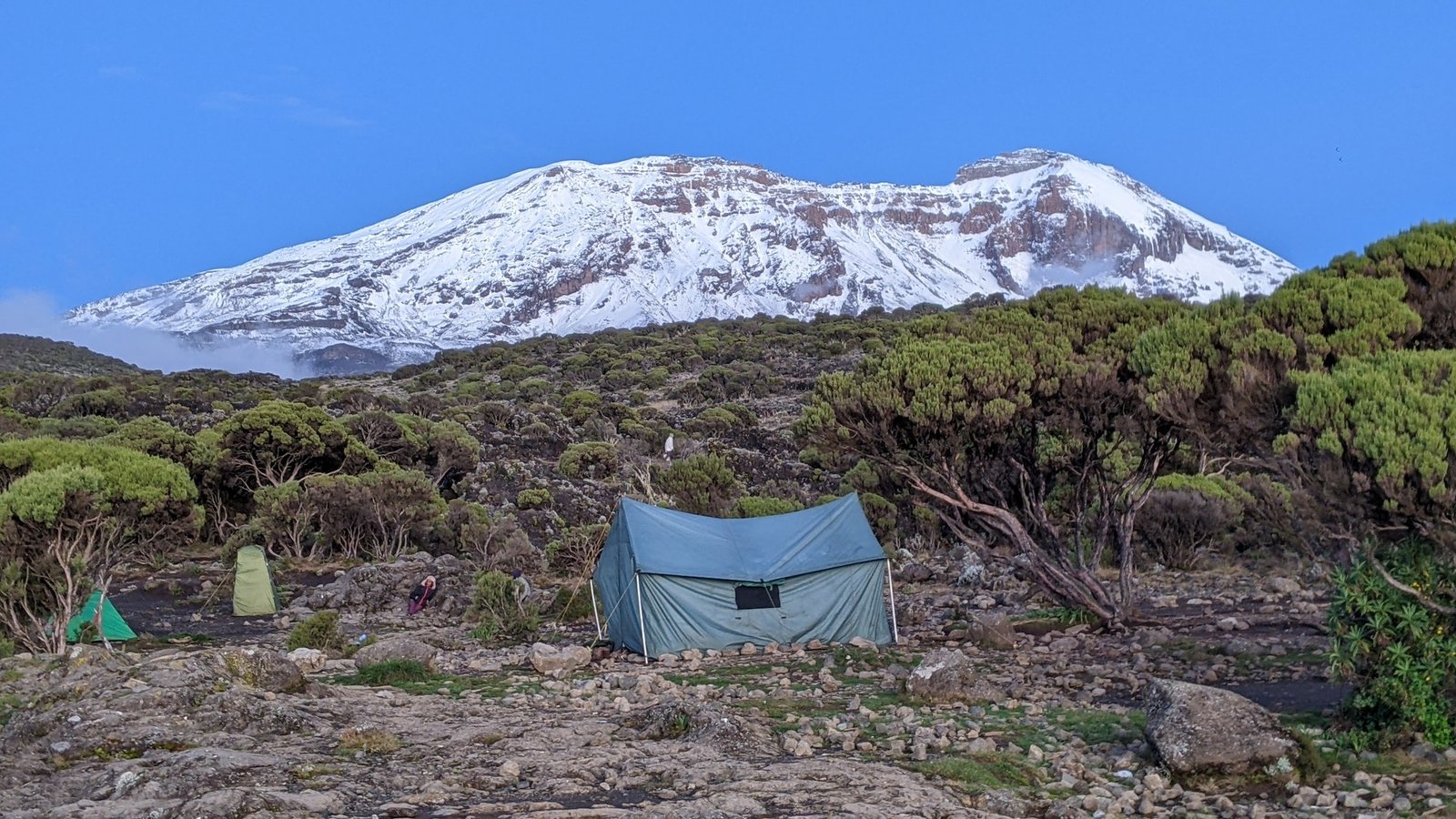
You will be driven from your hotel in Arusha or Moshi to the Londorossi Gate, where you’ll complete the entry formalities. After that, the drive continues along a forest track to Lemosho Glades. After lunch, the walk begins along the forest trails to Mti Mkubwa, the campsite located in a dense rain forest.
Day 2: Mti Mkubwa to Shira Camp 1
Distance: 8 km
Hiking Time: 7 hours
Habitat: Moorland
On this day, the trail leads out of the forest and into the expansive moorland zone. As you ascend through scenic rolling hills, you will cross several streams before reaching the Shira Ridge, followed by a descent to Shira 1 Camp. The view of Kibo from the plateau is breathtaking.
Day 3: Shira Camp 1 to Moir Hut
Distance: 11 km
Hiking Time: 6-8 hours
Habitat: Moorland / Alpine Desert
The day begins with an easy path leading to the summit of Shira Cathedral before heading to Moir Hut, situated in the alpine zone. For additional acclimatization, you can take a walk around the surrounding higher lands. The views here are spectacular. Afterward, a lunch stop is made at Fisher Camp before a brief afternoon acclimatization walk to the Lent Hills summit at 4700m.
Day 4: Moir Hut to Buffalo Camp
Distance: 12 km
Hiking Time: 5-7 hours
Habitat: Alpine Desert
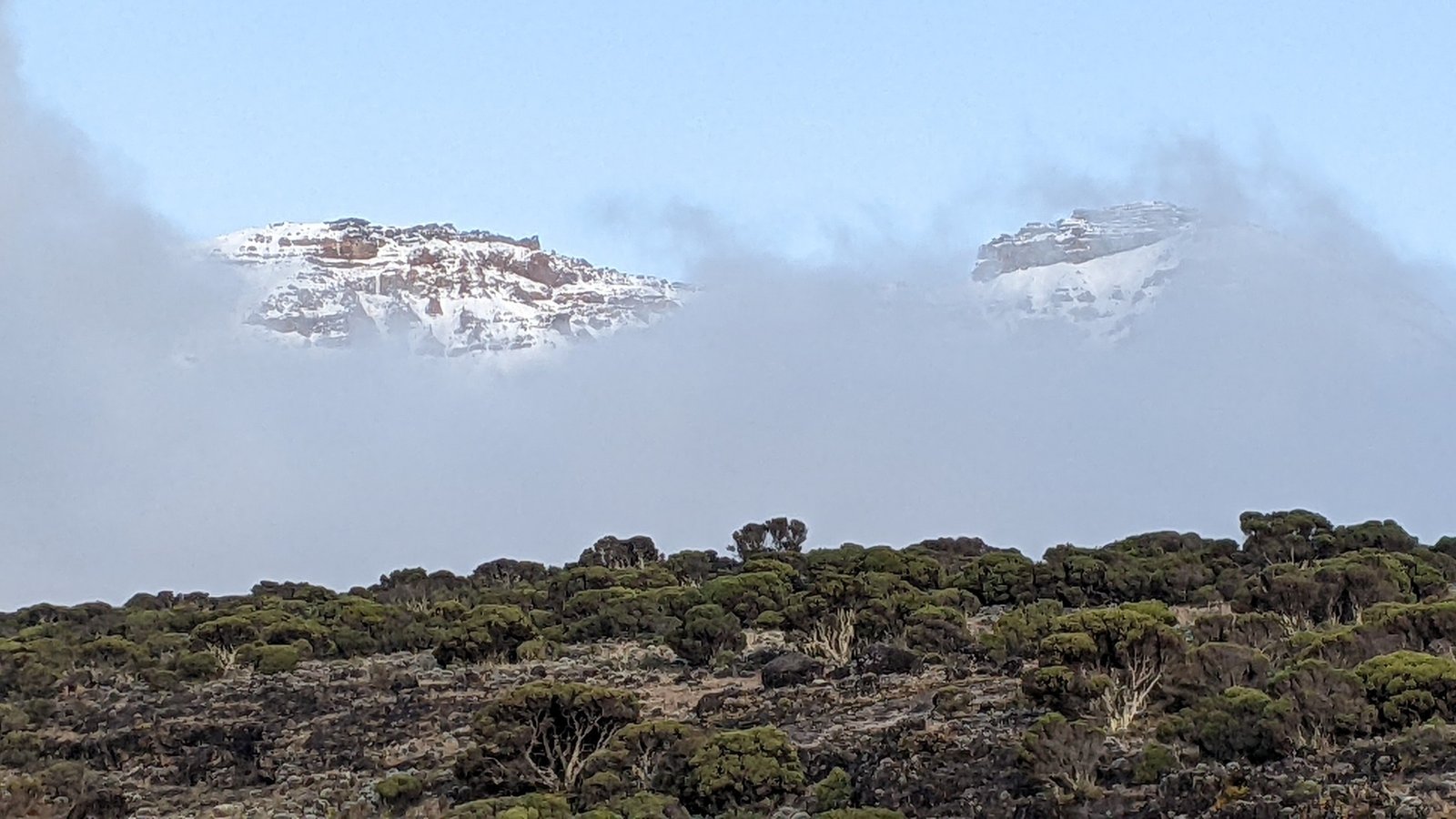
Today, you will embark on a moderately steep climb out of the Moir Valley. There’s an option for a detour to climb the Little Lent Hill at 4375m before returning to the Northern Circuit path. The route follows various inclines and declines along the northern slopes of Kibo, eventually arriving at Buffalo Camp (4020m). Enjoy panoramic views of the plains that stretch north toward the Kenya/Tanzania border.
Day 5: Buffalo Camp to Third Cave
Distance: 8 km
Hiking Time: 5-7 hours
Habitat: High Alpine Zone
Today’s hike takes you up Buffalo Ridge, then down to Porfu Camp for a lunch break. This lesser-traveled route offers a wilderness feel as you trek through remote valleys on the northern slopes of Kilimanjaro. The day ends at Third Cave, where you will spend the night.
Day 6: Third Cave to School Hut
Distance: 15 km
Hiking Time: 4-5 hours
Habitat: High Alpine Zone
You’ll begin a steady ascent over the Saddle, a plateau between Kibo and Mawenzi. The path leads south-west toward School Hut, where you’ll have an early dinner. The night is spent preparing for the summit attempt, as you’ll be awakened before midnight to begin your climb to the peak.
Day 7: School Hut to Uhuru Peak to Millennium Camp
Distance: 6 km ascent / 11 km descent
Hiking Time: 6-8 hours ascent / 4-6 hours descent
Habitat: Glacial Zone and all preceding zones
The final ascent to Uhuru Peak begins around midnight, with a steep incline up the slopes of Kibo. After passing Hans Meyer Cave, you’ll reach Gilman’s Point, then continue to Uhuru Peak for an incredible view. After a brief photo opportunity, you’ll descend via Stella Point and Barafu Camp before reaching Millennium Camp for your final night on the mountain.
Day 8: Millennium Camp to Mweka Gate
Distance: 6 km ascent / 11 km descent
Hiking Time: 6-8 hours ascent / 4-6 hours descent
Habitat: Rainforest Zone
Today, you’ll descend steeply through the lush Mweka Rain Forest, eventually reaching Mweka Park gates. A well-deserved picnic lunch is served, and successful hikers will receive their summit certificates from the Kilimanjaro National Park Authority. A vehicle will be waiting to transport you back to your hotel in Moshi or Arusha.
Included:
Kilimanjaro National Park fees
Climbing permits, gate fees, and camp/hut fees
Salaries for guides, assistant guides, cook, and porters
Certified, experienced English-speaking guides on all routes
Porters to carry luggage between camps
Three meals per day and bottled water (1.5 litres per person per day)
Rescue fees as required by the national park
Transportation to and from the gate and hotel
All camping equipment including foam sleeping pads, pillows, and sleeping bags with cotton liners suitable for Kilimanjaro temperatures
Cooking equipment, tables, chairs, and eating utensils
Excluded:
International flights
Optional activities and personal expenses
Alcoholic and soft drinks
Visa fees
Tips for the mountain crew
Personal spending money for souvenirs and other items
Travel insurance