
- Home
-
About Us



-
Safari
- Destinations
Warning: Trying to access array offset on value of type null in /home/u213050852/domains/gokilimanjarotreks.com/public_html/tanzania-mountains-details.php on line 16
The 7-day Machame Route
7 days
$ On Request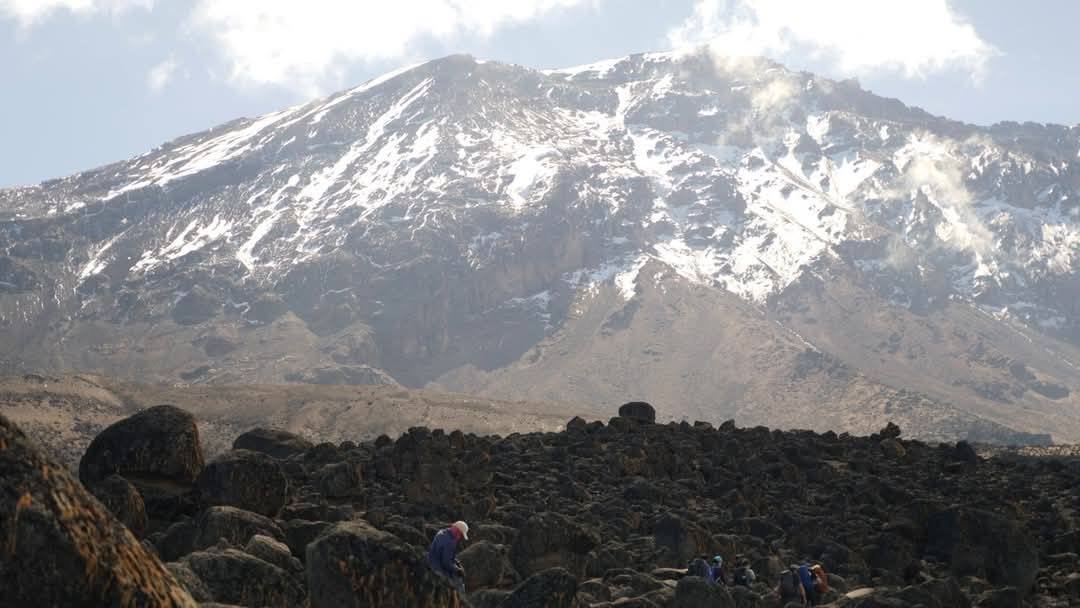
Highlights
- Spectacular panoramic views across multiple climate zones
- Climb the dramatic Barranco Wall—an unforgettable adventure
- Diverse landscapes including rainforest, lava formations, and glaciers
- Sunrise summit approach for breathtaking views from Uhuru Peak
Modern & BeautifulRelated Tanzania Mountains
 Duration: 7–9 Days (depending on the route)$ On Request
- Destinations


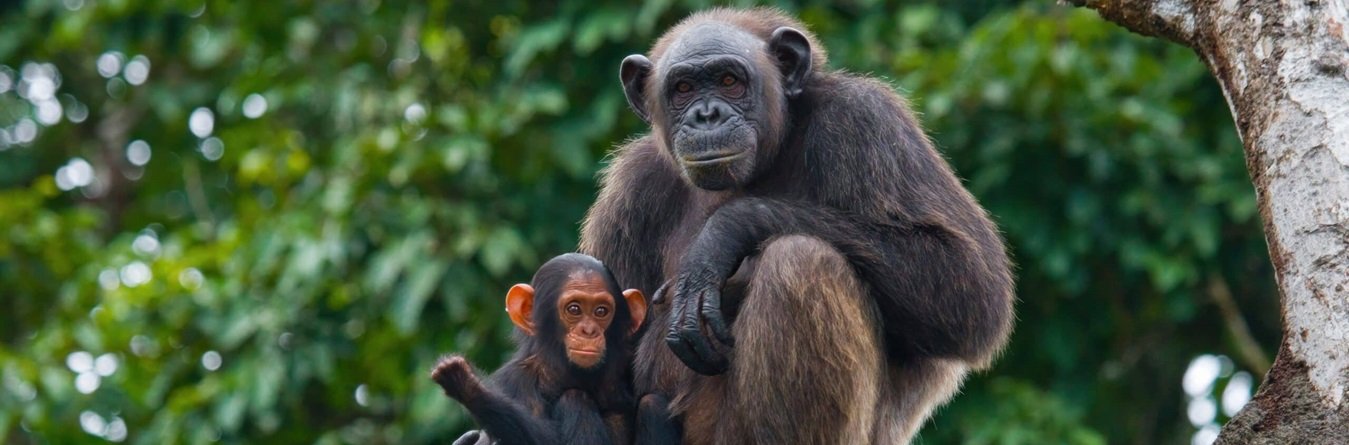

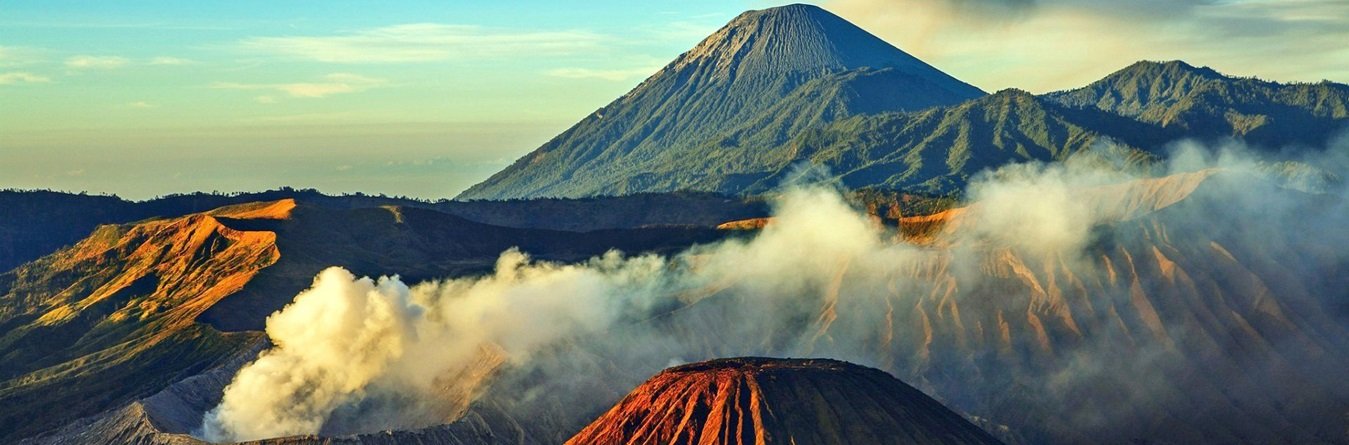
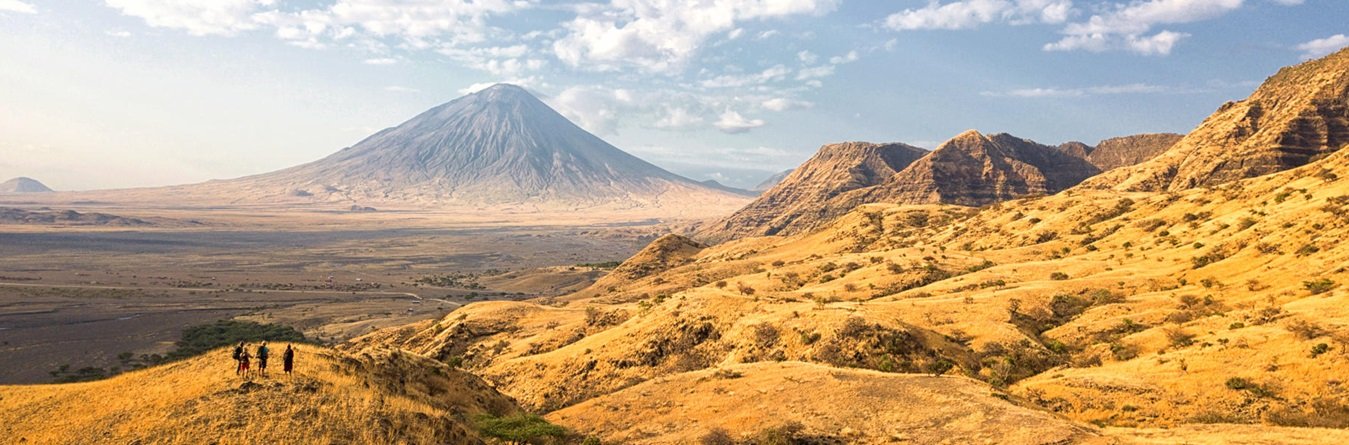
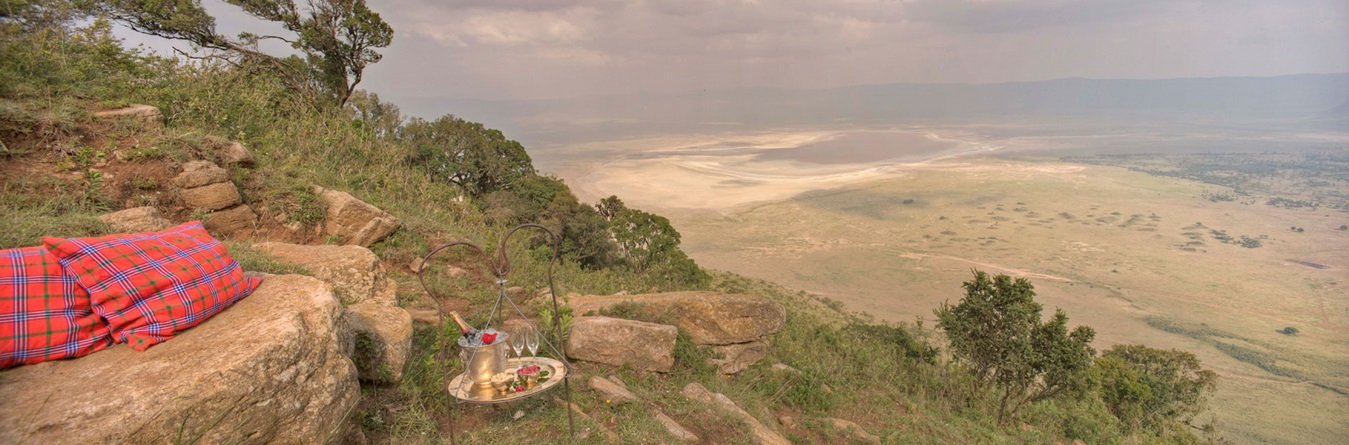
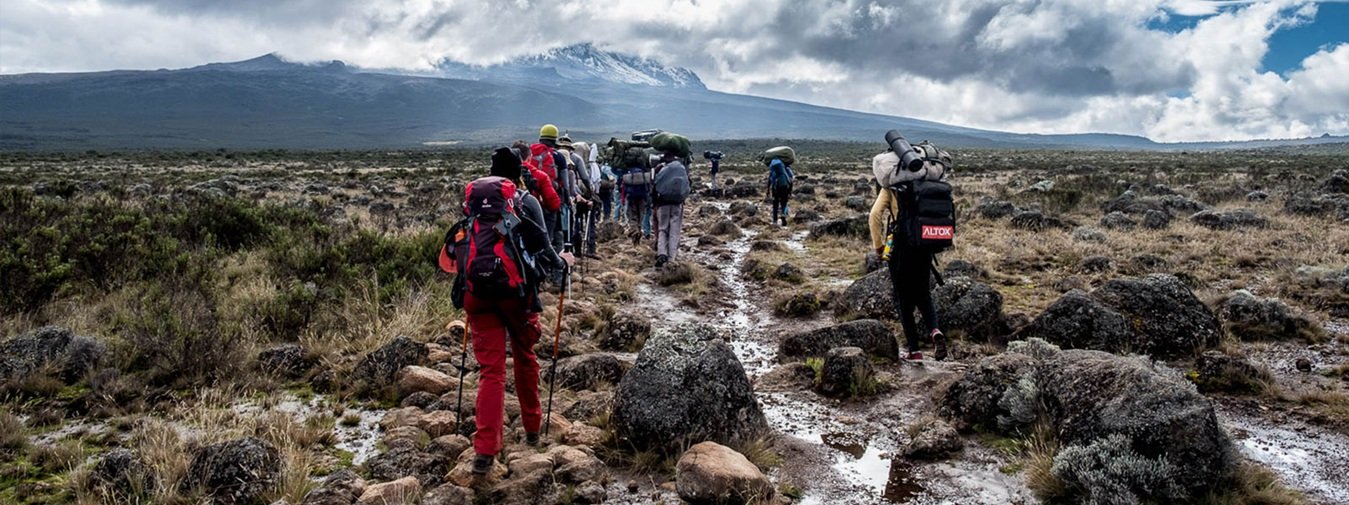



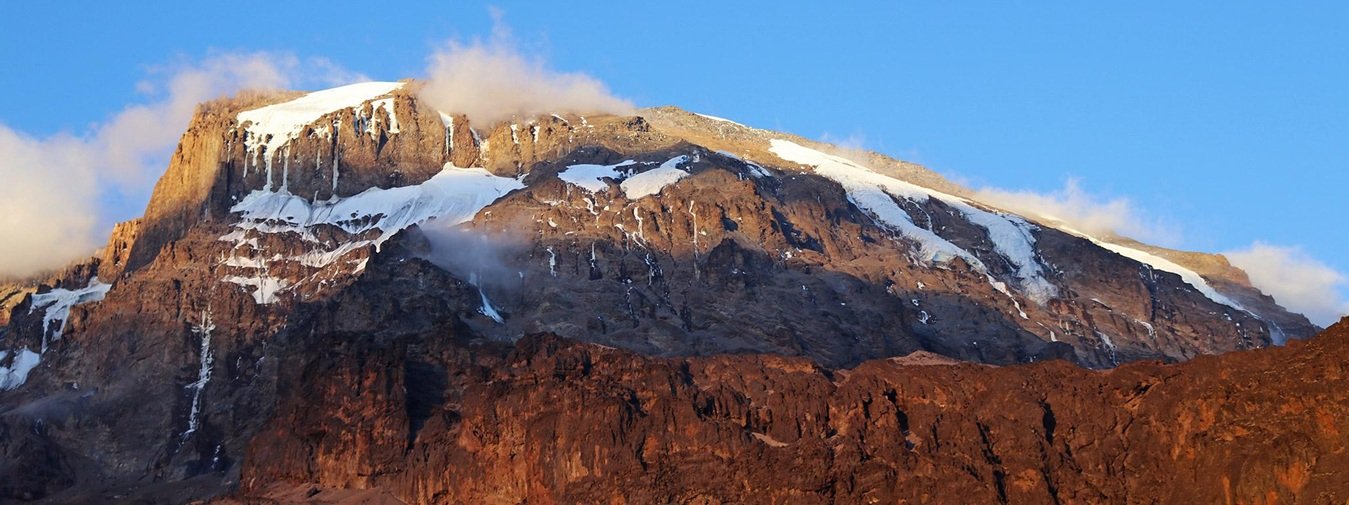

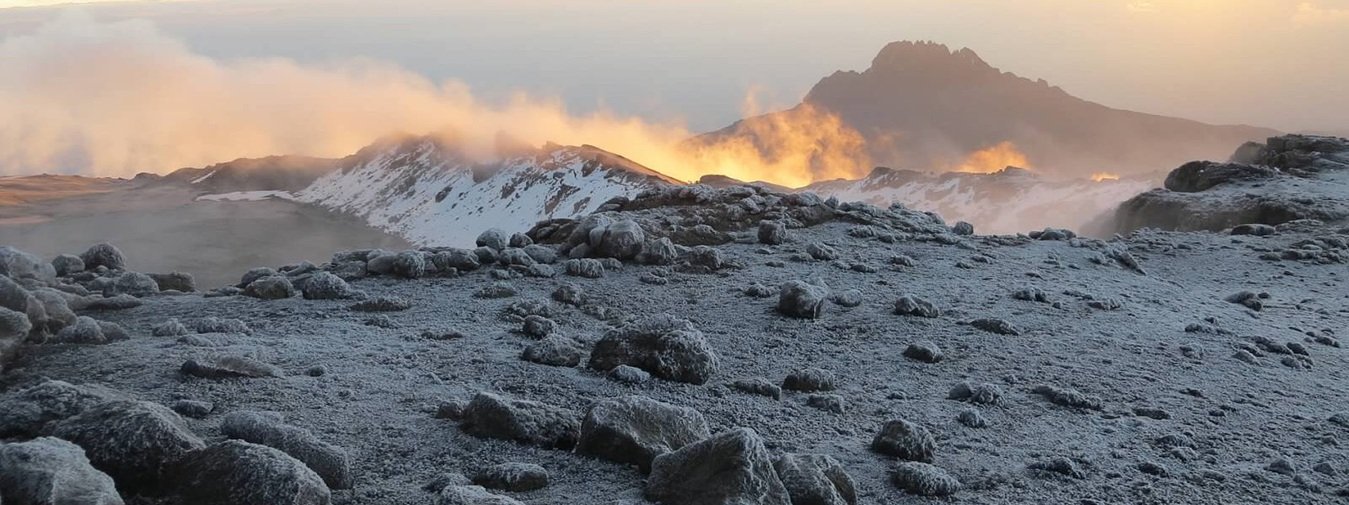
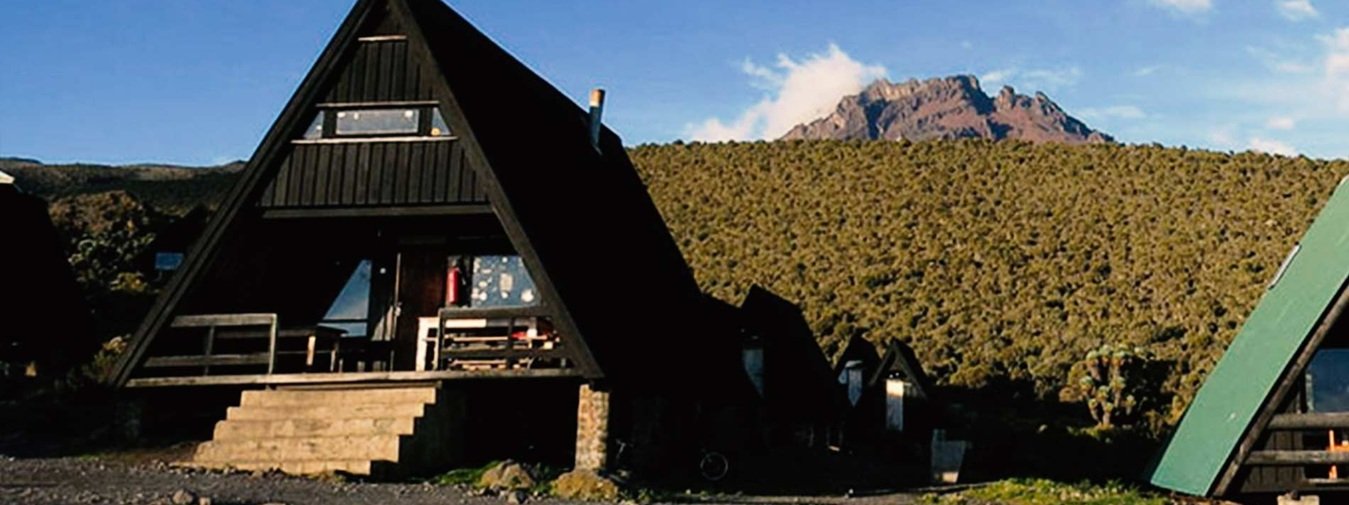
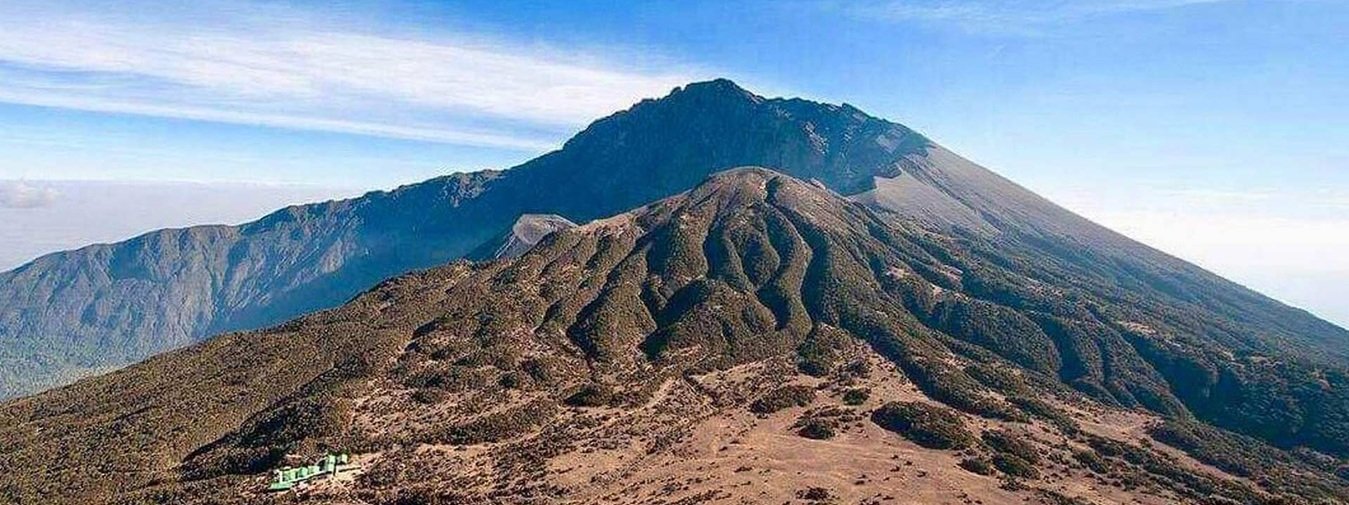
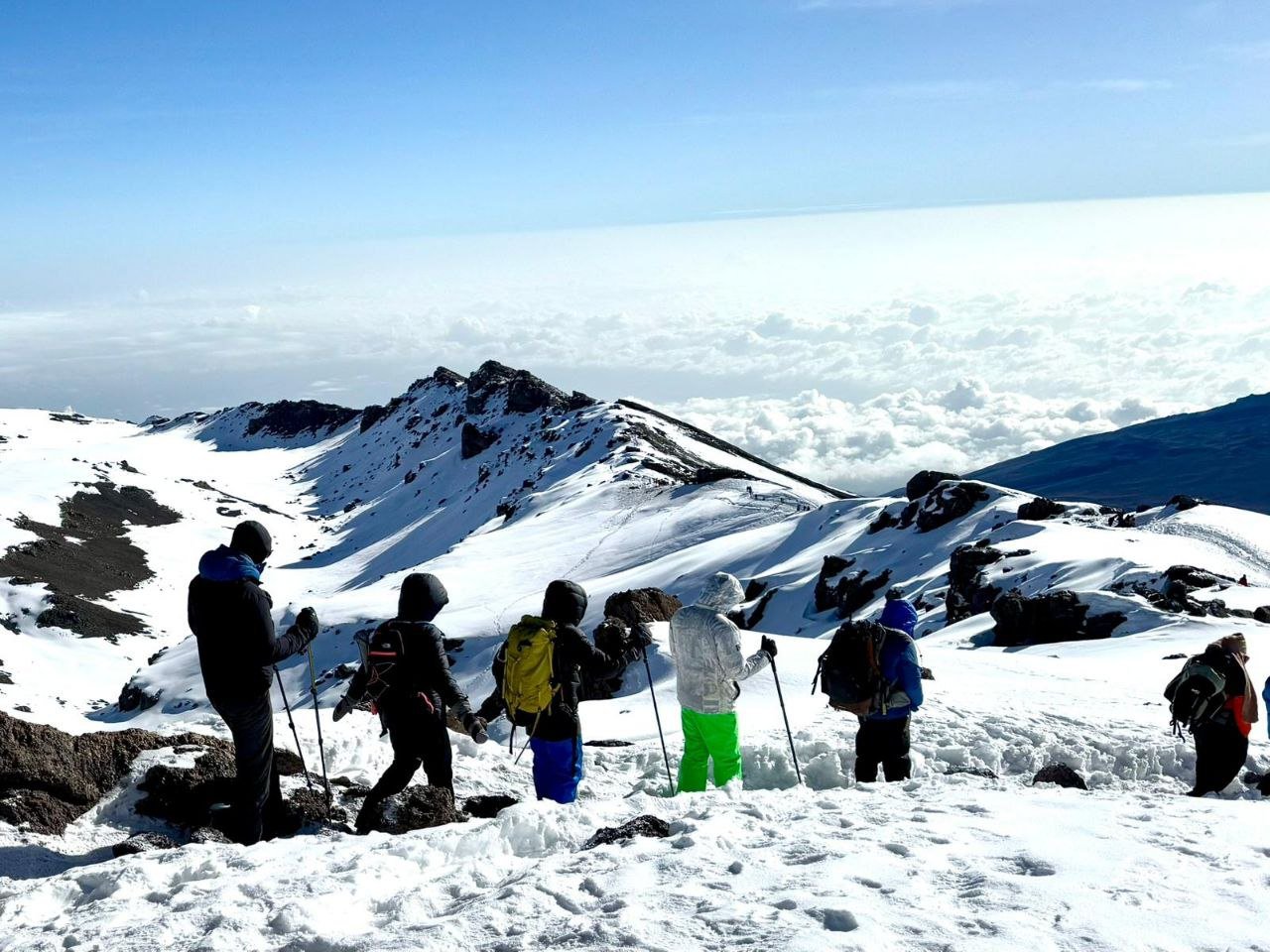
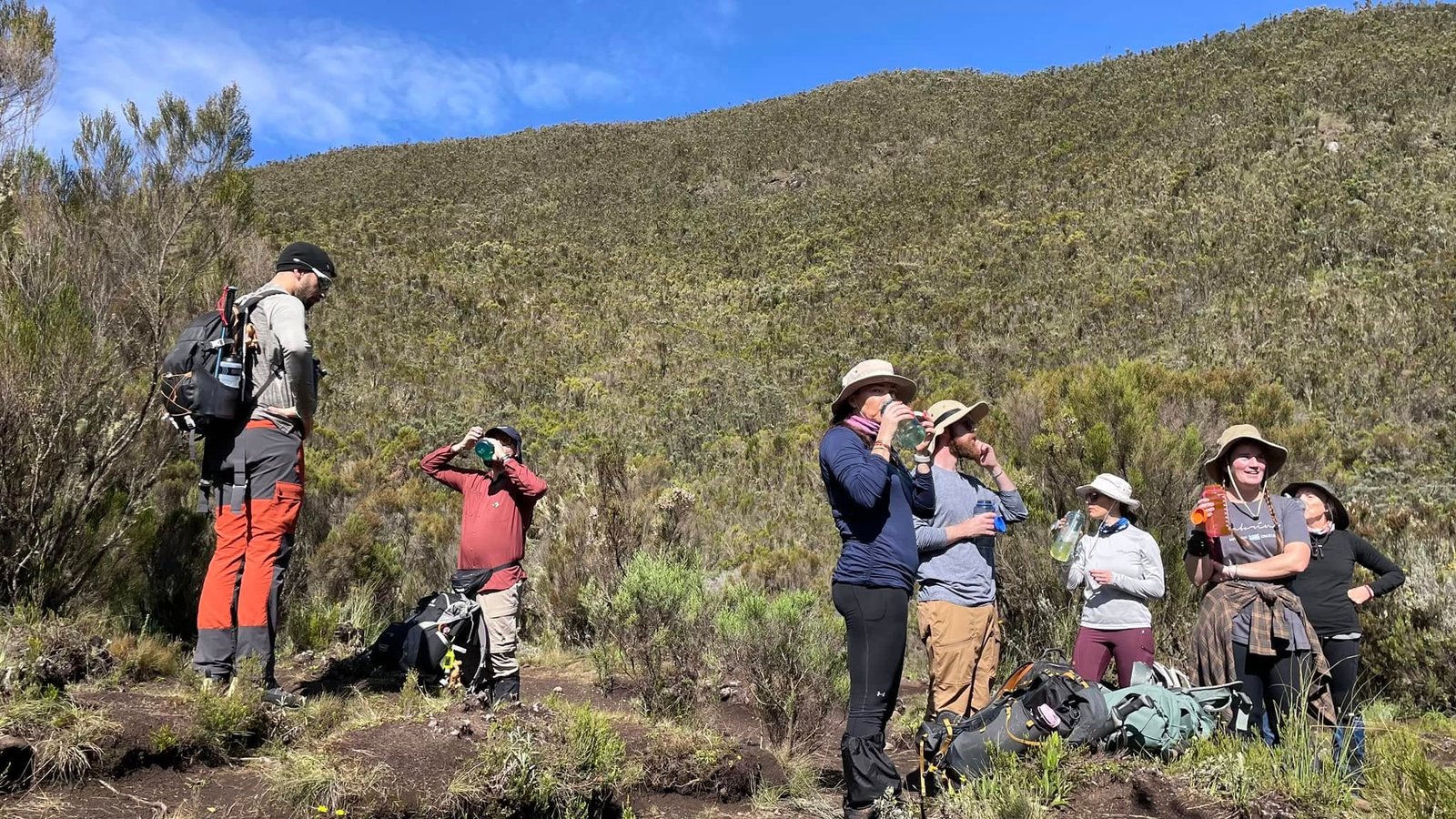
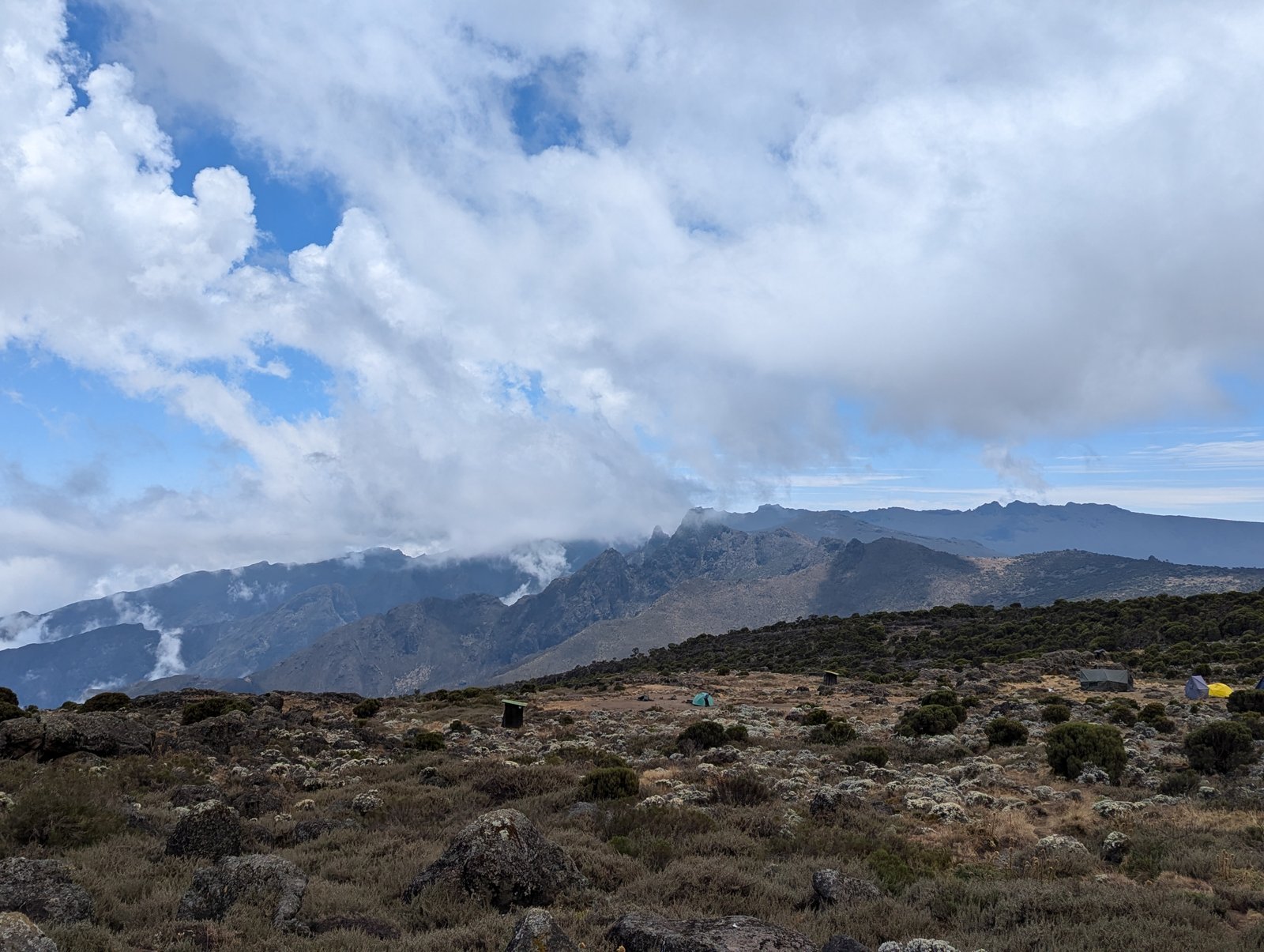
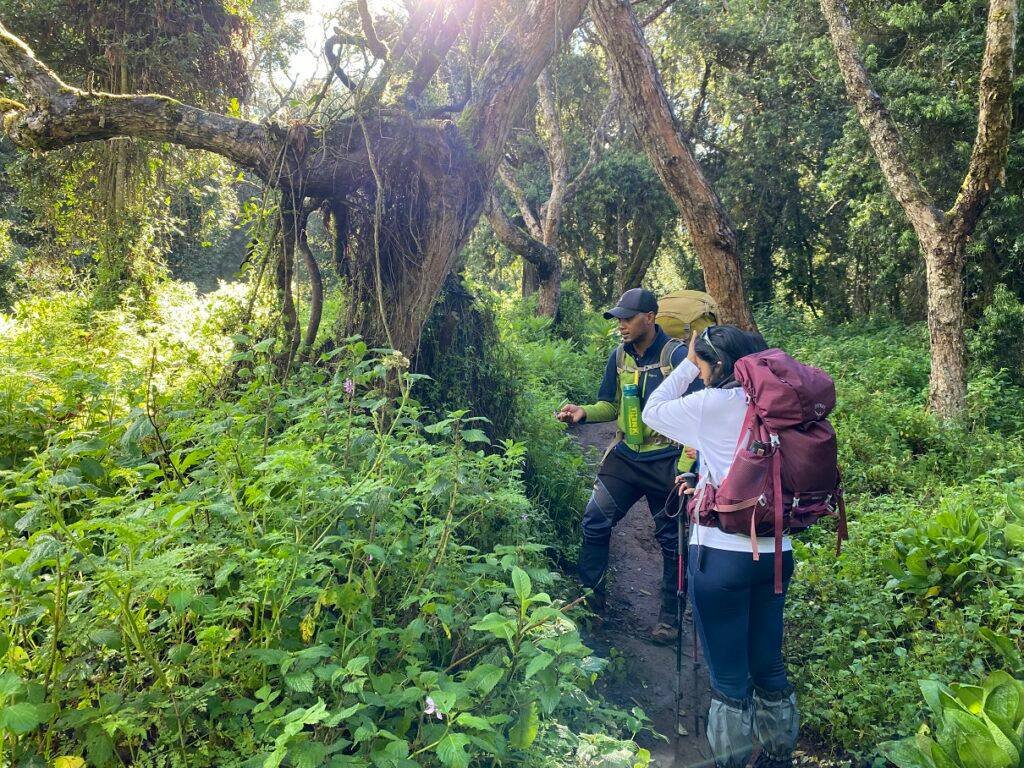
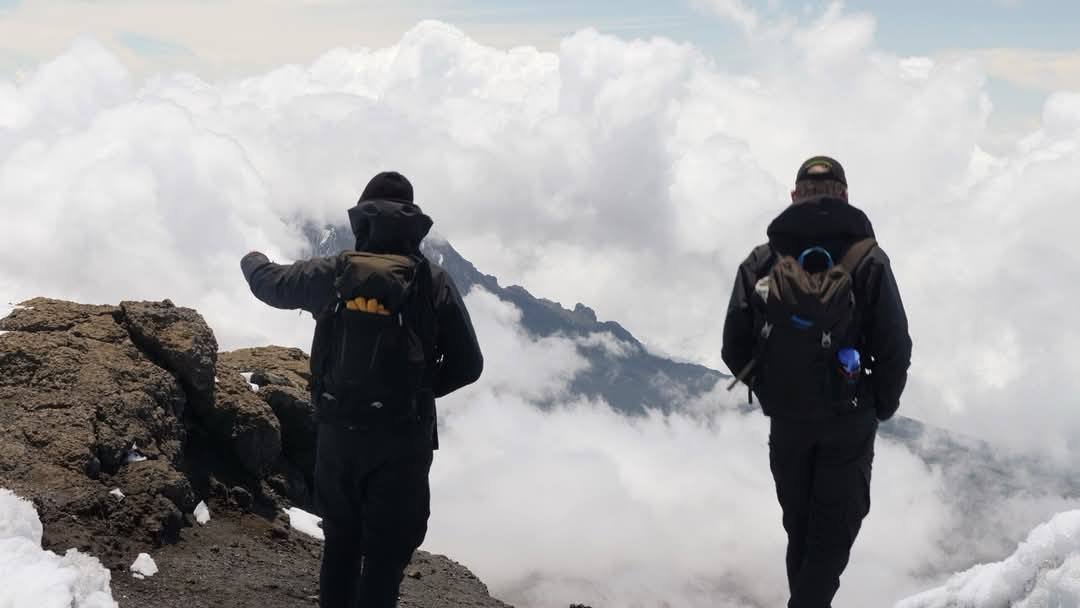
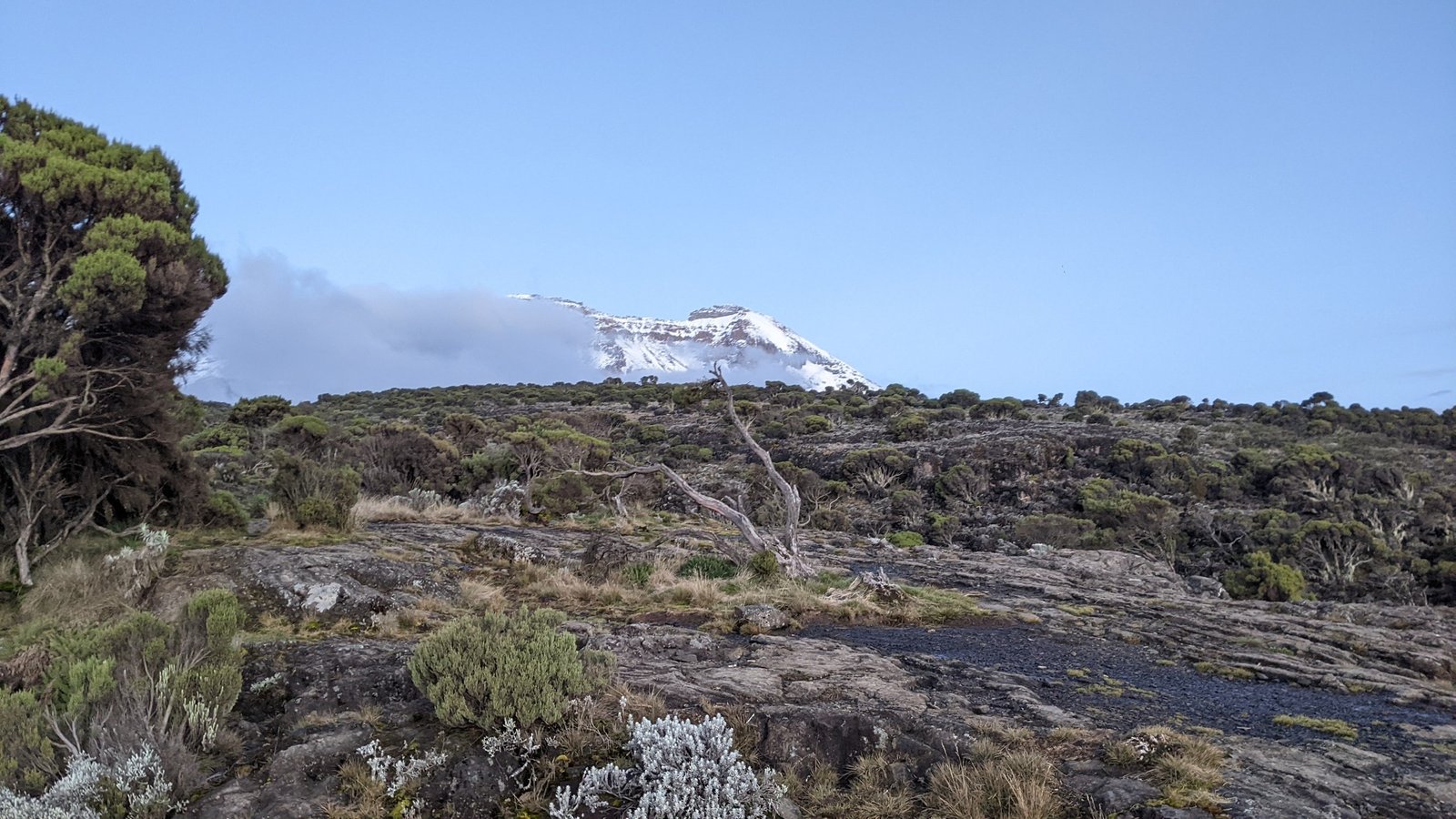
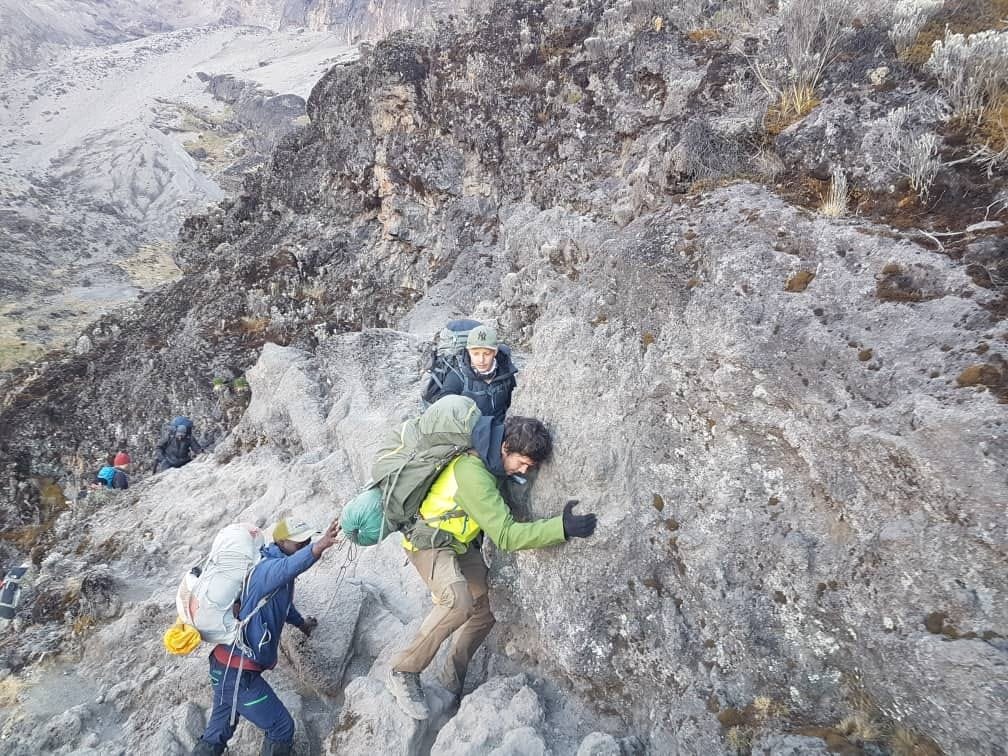

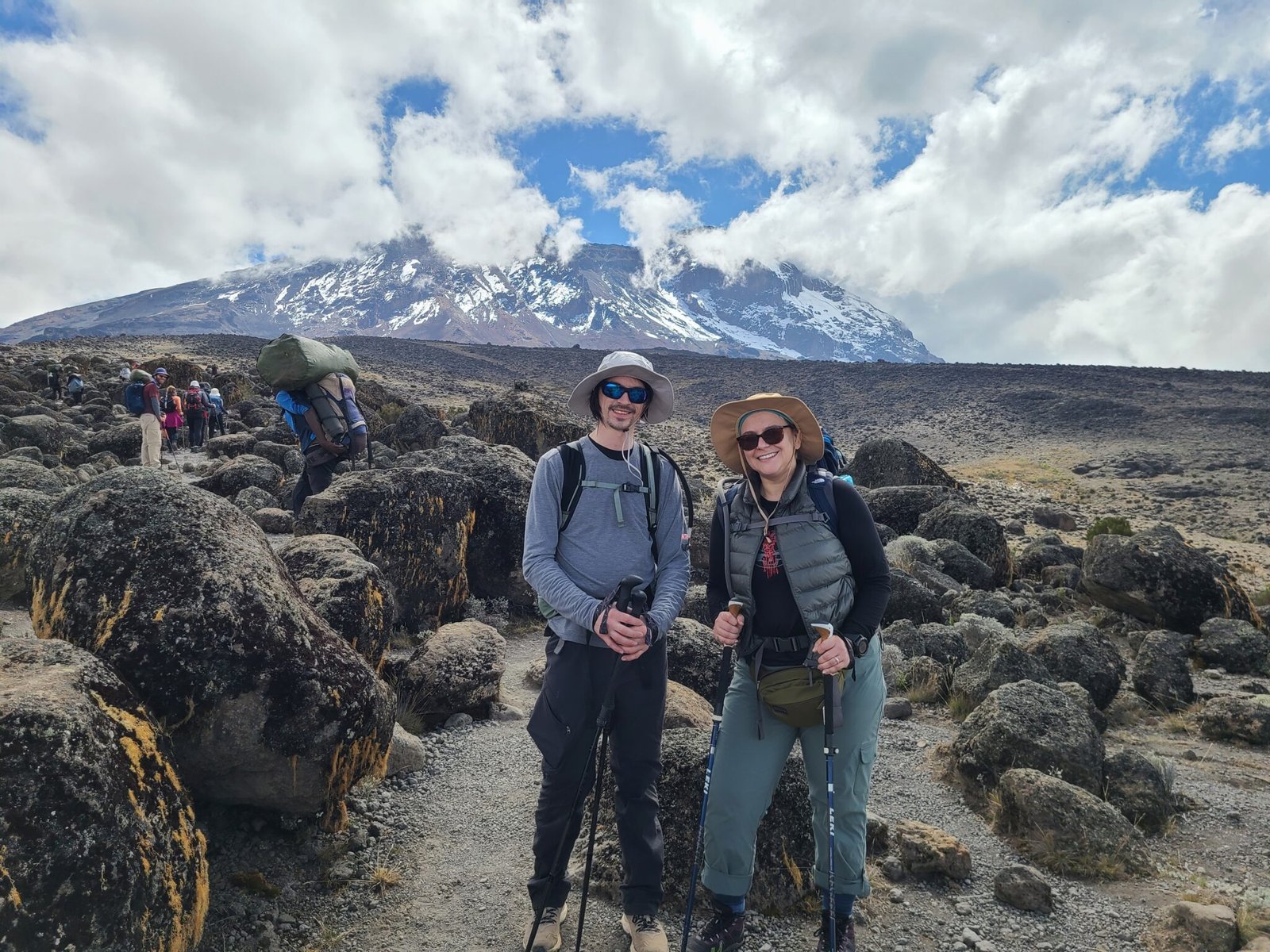
The 7-day Machame Route, often called the "Whiskey Route," is one of the most popular and scenic trails to the summit of Mount Kilimanjaro. Starting on the southwestern side, this route offers a diverse trekking experience through rainforest, moorland, alpine desert, and arctic summit zones. Its gradual ascent profile and extra acclimatization day increase the chances of reaching Uhuru Peak successfully. The route approaches the summit from the south and descends via the Mweka Route, offering stunning views throughout. Though more challenging than some routes, it rewards climbers with rich landscapes, varied terrain, and a strong sense of achievement.
Day 1 – Machame Gate to Machame Camp
The day begins with a drive from Moshi or Arusha to the Machame Gate, passing through the village of Machame located on the lower slopes of Mount Kilimanjaro. After completing registration, the trek starts through the lush rainforest along a winding trail that ascends gradually up the ridge. The path can be muddy and slippery in places, so gaiters and trekking poles are recommended. The hike ends at Machame Camp, where the first night on the mountain is spent.
Day 2 – Machame Camp to Shira Camp
On the second day, the trail leaves the rainforest and enters the moorland zone, where the vegetation becomes more sparse with low bushes and heathers. The path ascends steadily across ridges to Shira Camp, situated on a small plateau. From here, there are impressive views of Kibo Peak to the northeast and Mount Meru to the west. White-necked ravens are often seen, and nearby Shira Caves can be explored as a short side trip.
Day 3 – Shira Camp to Lava Tower to Barranco Camp
The route continues east into a semi-desert and rocky landscape, leading to the prominent landmark known as Lava Tower at an altitude of 4,600 meters. After lunch near Lava Tower, the trail descends into the Barranco Valley. This climb-high, sleep-low approach helps with acclimatization and eases the body into higher elevations. The descent to Barranco Camp offers scenic views and photo opportunities, especially of the Western Breach and Breach Wall.
Day 4 – Barranco Camp to Karanga Camp
A steep ascent up the eastern side of the valley leads just below the Heim Glacier, with breathtaking views along the way. The trail then climbs the imposing Barranco Wall before descending into the Karanga Valley. After crossing the valley, the route ends with a final climb to Karanga Camp, which lies in the alpine desert zone.
Day 5 – Karanga Camp to Barafu Camp
The journey continues with a steady climb from Karanga Camp to Barafu Camp, passing a junction that connects to the Mweka Route, the descent trail. Upon arrival at Barafu, there is time to rest, have dinner, and prepare for the summit attempt. From camp, views of both Kibo and Mawenzi peaks are particularly stunning and worth taking in before nightfall.
Day 6 – Barafu Camp to Uhuru Peak to Mweka Camp
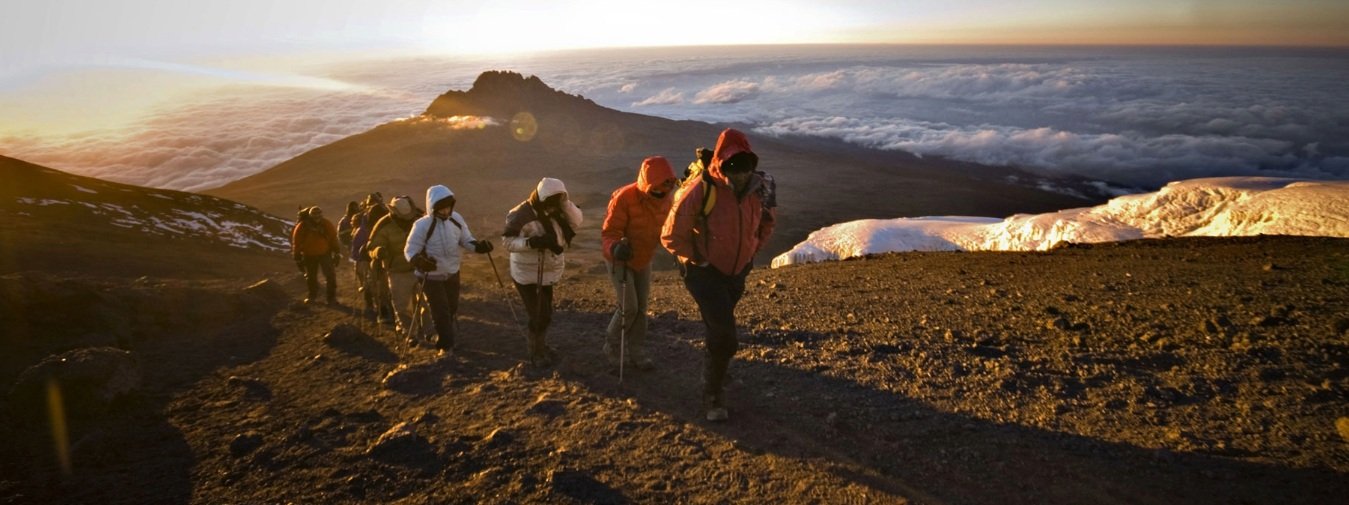
The summit day begins very early, often around midnight, with a long, challenging ascent through arctic conditions toward the crater rim between the Rebmann and Ratzel Glaciers. The route reaches Stella Point at the rim, followed by a final hour of hiking to Uhuru Peak, the highest point in Africa. After a brief celebration and photo opportunity, the descent begins back to Barafu for rest and lunch. The trek then continues past Millennium Camp to Mweka Camp, located near the forest edge. Those who still have energy may opt to visit the Reutsh Crater or the ice pinnacles of the Eastern Icefields during the descent.
Day 7 – Mweka Camp to Mweka Gate – Return to Moshi or Arusha
The final stretch leads through the rainforest to Mweka Gate, where climbers receive summit certificates. From the gate, it’s a short walk to Mweka Village, where transportation is provided back to accommodation in Moshi or Arusha, marking the end of the trek.
Included:
Kilimanjaro National Park fees
Climbing permits, gate fees, and camp/hut fees
Salaries for guides, assistant guides, cook, and porters
Certified, experienced English-speaking guides on all routes
Porters to carry luggage between camps
Three meals per day and bottled water (1.5 litres per person per day)
Rescue fees as required by the national park
Transportation to and from the gate and hotel
All camping equipment including foam sleeping pads, pillows, and sleeping bags with cotton liners suitable for Kilimanjaro temperatures
Cooking equipment, tables, chairs, and eating utensils
Excluded:
International flights
Optional activities and personal expenses
Alcoholic and soft drinks
Visa fees
Tips for the mountain crew
Personal spending money for souvenirs and other items
Travel insurance