A collapsed volcano with walls 600 metres high and a floor full of animals that mostly stay put. It is the one place in Tanzania where a single day of safari genuinely delivers, and the one place where the price makes people hesitate.
Most one-day safaris are a compromise. You spend hours driving to a park, get a few hours inside it, and drive back in the dark having seen a fraction of the place.
Ngorongoro is the exception, and the reason is geography. About two and a half million years ago a volcano collapsed in on itself and left a caldera roughly 260 square kilometres across, ringed by walls around 600 metres high. The animals inside have permanent water and year-round grazing, so most of them never leave. You are not searching a vast landscape for wildlife. You are driving around a bowl that already contains it.
It starts early, and I mean early. We collect you in the dark from Moshi or Arusha, because the drive to the crater rim takes a few hours and the first hours after sunrise on the floor are the best of the day.
The descent road drops you through cloud onto the floor, and the change is abrupt: forest and mist above, open grassland and animals below. From there it is a full game drive across the habitats inside the crater, which include grassland, swamp, patches of forest and the soda lake at Magadi. Lunch is a picnic at a site inside the crater, then more driving before you climb back out and return in the evening.
Expect a long day and a lot of vehicle time. That is the honest trade for seeing this place without booking a multi-day trip.
Ngorongoro is one of the few places where the Big Five in a single day is a realistic prospect rather than a marketing line, but it is worth being precise about the odds.
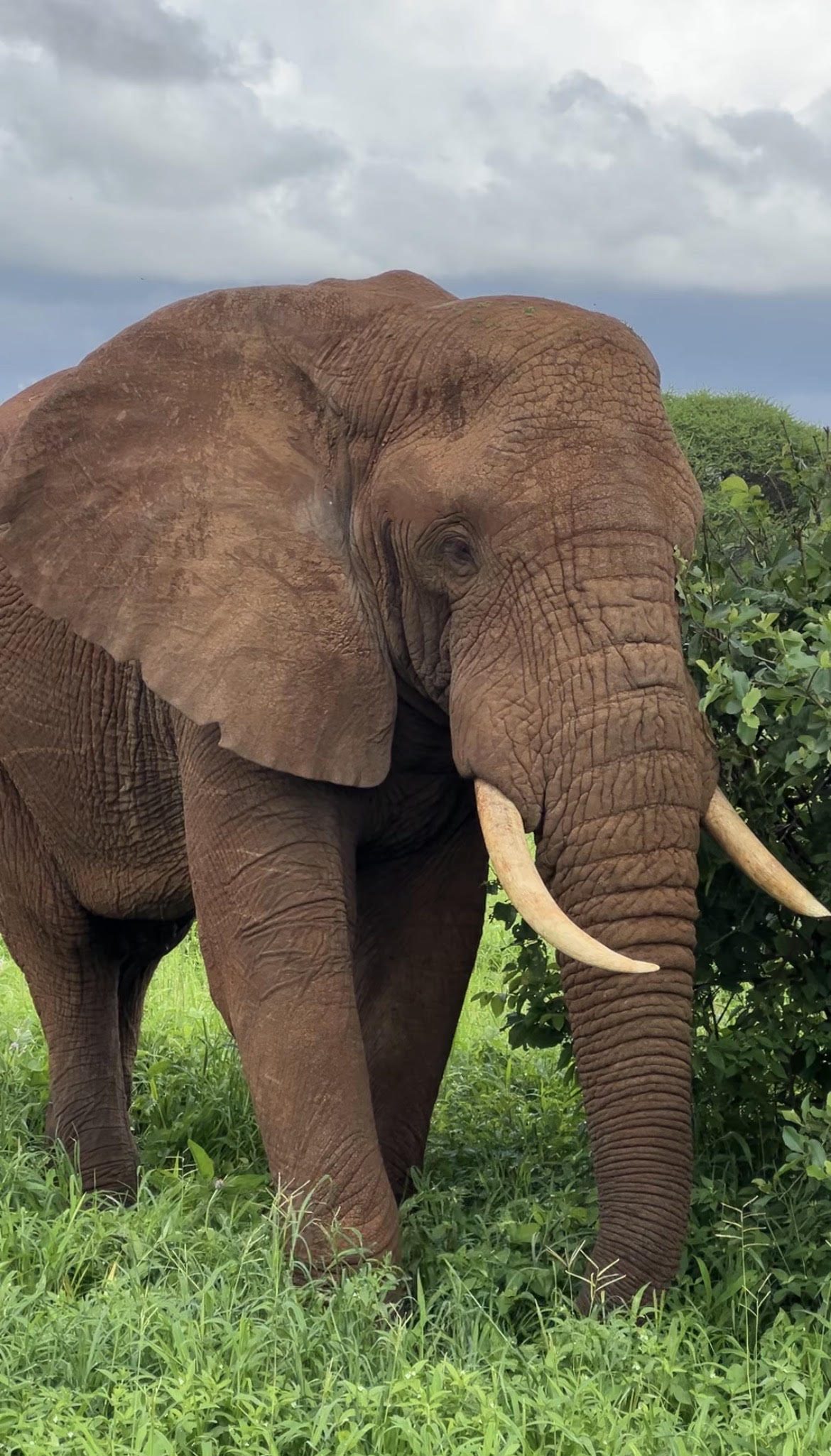
Lion, elephant and buffalo are close to dependable. The crater's bull elephants are famous for their tusks, and the older ones carry ivory you rarely see elsewhere now. Black rhino live on the floor and are seen regularly, though usually at distance across the grass, so bring binoculars if you care about getting a proper look. Leopard is the one that breaks the set most often, because they prefer the forested rim to the open floor.

Beyond the famous five there is a great deal else: wildebeest and zebra in numbers, hyena, jackal, hippo in the pools, and flamingos on Lake Magadi. Birdwatchers do well here, with crowned cranes, ostrich, secretary birds and eagles around the lake and wetlands.

This is the question I get most, usually phrased as some version of "why is one day here more than three days somewhere else?"
The answer is that the Ngorongoro Conservation Area charges high entry fees, and there is a separate crater service fee on top for taking a vehicle down onto the floor. Those are set by the authorities, apply whether you stay one hour or ten, and are the same for every operator. They make up most of the $900, and no company can discount them.
What we include for that: the conservation area fees, the crater service fee, a professional English-speaking guide, a private 4x4 with a pop-up roof so everyone gets a window and a standing view, a picnic lunch, bottled water throughout, and government taxes and VAT. Not included are flights, insurance, drinks, tips for your guide and anything personal.
Worth knowing: the vehicle is private, not shared. You are not sitting behind seven strangers waiting for someone else's photograph. Full details are on the Ngorongoro day trip page.

The crater day trip suits people with exactly one day to spare. That is usually climbers with a gap before or after Kilimanjaro, or travellers who want a proper safari day without rearranging the rest of the trip.
If you have three days or more, book a multi-day safari instead. Combining Ngorongoro with Tarangire or the Serengeti gives you variety, far less driving per day, and mornings and evenings in the parks when the animals are actually moving. Those itineraries are on the safari itineraries page, and the timing question is covered in when to go on safari.
And if you are coming straight off the mountain, give yourself a rest day first. A 5 a.m. start and ten hours in a vehicle the morning after summit night is not the reward you think it is.
The rim is high, around 2,200 m, and cold at dawn, so bring a fleece even though you will be in shirtsleeves by ten. Wear neutral colours, avoid dark blue and black because they attract tsetse flies, and bring binoculars, because the rhino will be further away than you hoped. A camera with reach helps, though the elephants often come close enough that it does not matter.
The crater can be busy at midday around the popular sightings. Our guides work the timing to be down early and in the quieter corners while the convoys are elsewhere.
A private 4x4, an early start, and the fullest day of wildlife in Tanzania. Tell Nelson your dates and he will fit it around your climb.