- Home
-
About Us



-
Safari
- Destinations
Roadmap to Victory
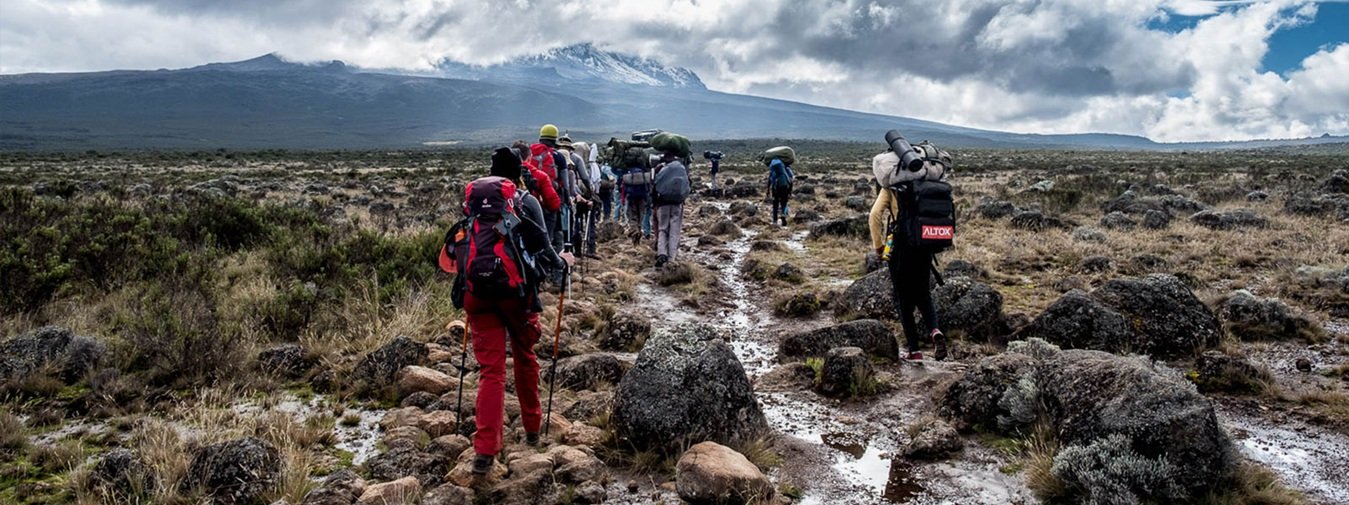
You’ll often hear our guides say “pole, pole,” which means “slowly, slowly” in Swahili. No matter how energetic you feel, the smartest way to adjust to the altitude is by pacing yourself. Moving slowly helps your body adapt without unnecessary strain, keeping you in your optimal effort zone.
Staying hydrated is another key part of successful acclimatization. Aim to carry and drink at least two liters of water throughout your daily hike. It’s also essential to hydrate well during breakfast and dinner. Many trekkers come to appreciate the convenience of a “pee bottle”—an essential item that saves you from venturing out into the cold, dark night for a bathroom trip.
Preparing your body in advance is just as important. Good fitness makes the journey more enjoyable and reduces physical stress, helping you handle the challenge with confidence rather than struggle.
Equally vital is having the right gear—and knowing it works. Test everything ahead of your trek, from your headlamp to your hiking boots. You don’t want to discover on summit night that your equipment isn’t up to the task. Proper preparation ensures you’re ready to face the mountain with both comfort and confidence.
Facts About Mount Kilimanjaro Climbing

- Destinations