- Home
-
About Us



-
Safari
- Destinations
Summit Preparation
Reaching Barafu Camp marks a pivotal moment in your Kilimanjaro journey. Perched high on the mountain’s edge, this rugged basecamp is your final stop before the summit push. Upon arrival, rest becomes a top priority—even if sleep proves elusive at this altitude, with adrenaline and anticipation pulsing through the thin air.
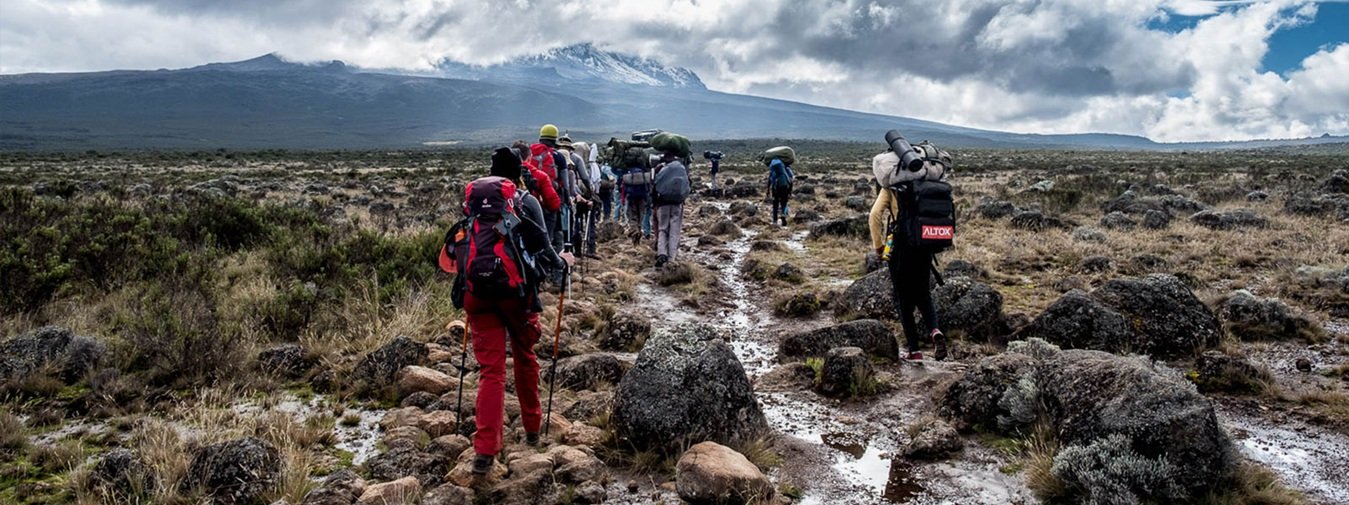
Prepare your daypack early, as your summit bid begins in the dead of night. Around 11 p.m., your guide will rouse you with a warm drink. In the mess tent, you’ll grab some light snacks before stepping into the cold darkness. With your headlamp beaming into the night and your essentials—water, snacks, and layers—in tow, the climb begins just before midnight.
Proper preparation is key. Your body’s energy reserves and temperature regulation will be tested like never before. Start the hike slightly cool—shed layers before you begin, and don them again immediately during short “maintenance stops” to prevent heat loss. These stops aren’t for resting but for adjusting gear, hydrating, eating, and preparing for the next push upward.
Fuel is crucial. On this grueling 13-15 hour trek, you’ll burn thousands of calories. Keep high-energy snacks like trail mix, candy bars, and dried fruit within easy reach. Eat often and drink regularly to maintain strength and mental clarity.
Your guide will set a deliberate pace—slow and steady wins this race. Too fast and you risk altitude sickness; too slow and the long journey becomes even harder. Trust the rhythm and take it step by step.
By sunrise, you’ll find yourself at the crater rim. Here, the magic of the mountain reveals itself: the first light spills over Mawenzi Peak, and the vast glacier fields shimmer beneath a golden sky. With the summit nearly in reach, it’s another one to two hours of hiking to Uhuru Peak—Africa’s highest point at 19,341 feet above sea level.
Temperatures at the top can be brutally cold, often dipping as low as -20°F (-29°C). The air is thin, the wind bites, but the view from the Roof of Africa is unforgettable.
After a moment of celebration and photos, the descent begins. Heading back to Barafu Camp is demanding—especially on the knees—so take it slow and steady. Use trekking poles for support and savor the return of oxygen as you drop to lower altitudes.
At Barafu, you’ll enjoy a well-earned lunch before continuing down to your final campsite. With exhaustion setting in, sleep comes easier now.
The next morning brings a final 3-4 hour descent through lush forest, a gentle end to a truly epic journey. By the time you reach the trailhead, your adventure concludes—but the memories of standing on top of Africa will stay with you forever.
Facts About Mount Kilimanjaro Climbing

- Destinations