- Home
-
About Us



-
Safari
- Destinations
Kilimanjaro Cuisine – Fueling Your Journey
At Gokilimanjarotreks, we understand that proper nutrition is essential for a successful climb. That’s why we prioritize your dietary needs and deliver high-quality, delicious, and nutritious meals throughout the entire trek.
Our chefs are professionally trained to meet a wide range of dietary requirements while maintaining the highest standards of hygiene in food preparation. Whether you are vegetarian, vegan, gluten-free, or have specific food preferences, we’ve got you covered.
A high-carbohydrate diet at altitude is recommended as an intervention to alleviate symptoms of Acute Mountain Sickness (AMS), as it increases ventilation and blood oxygenation. With decreased appetite being common at high elevations, carbohydrate-based foods are often more palatable than high-protein or high-fat options. Altitude also alters your metabolic processes, increasing your energy needs well beyond what you’d require at home.
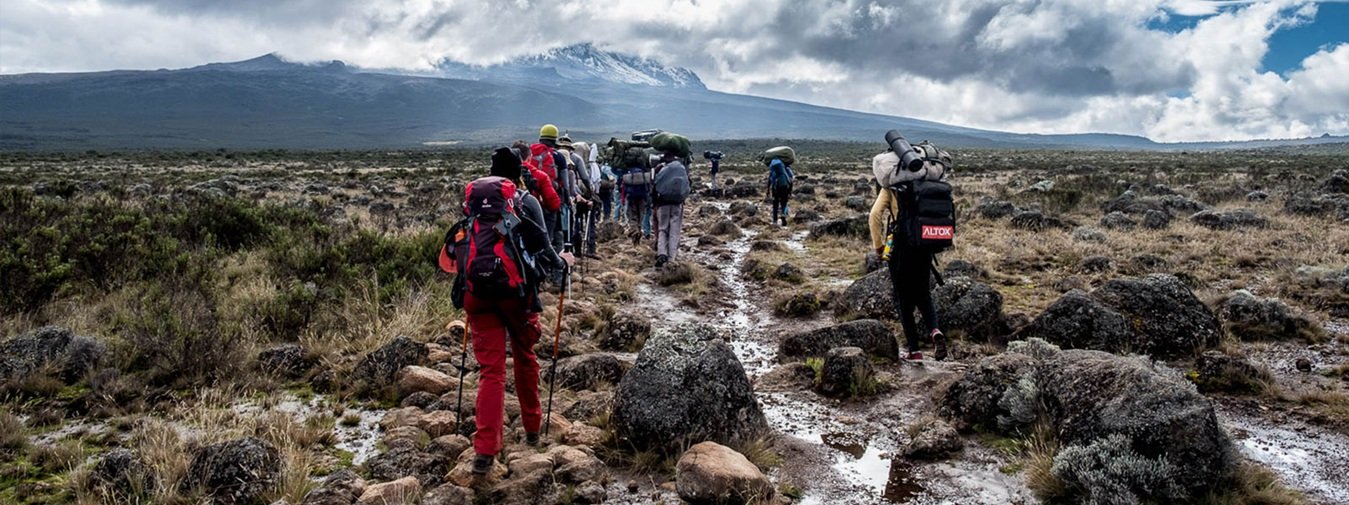
The combination of long hours on the trail and your body’s adaptation to altitude means that your energy requirements will be significantly higher. Despite this, many hikers are surprised by the quality and variety of food provided during the trek. Unlike the typical dehydrated trail meals, our mountain kitchens prepare fresh meals using only real ingredients. No ready-made or powdered food—everything is carried up Mount Kilimanjaro by our dedicated porters and cooked on-site, offering a welcome boost in both morale and nutrition.
To ensure freshness and energy-boosting nutrition, we supply fresh food and fruits even in the middle of the trek. Our goal is to keep you well-nourished, energized, and ready to conquer the summit.
Morning – Breakfast
Start your day with a hearty and energy-packed breakfast:
-
Porridge (oats, millet, or maize)
-
Freshly brewed Tanzanian tea and coffee
-
Toast with jam, peanut butter, or honey
-
Eggs (fried, scrambled, or boiled)
-
Sausages or bacon
-
Fresh fruits (banana, mango, orange)
-
Pancakes or chapati
Midday – Lunch (Hot or Packed)
Depending on the day’s route, lunch may be served hot or packed for the trail:
-
Sandwiches with cheese, avocado, or chicken
-
Vegetable rice or pasta
-
Boiled eggs
-
Fresh fruits
-
Juice or hot drinks (tea/coffee)
Afternoon Snack (Tea Time)
After a long day of hiking, enjoy a relaxing tea break:
-
Popcorn or roasted peanuts
-
Biscuits or cookies
-
Hot tea, coffee, or hot chocolate
Evening – Dinner
A warm, filling dinner to restore energy and prepare for the next day:
-
Soup (vegetable, pumpkin, lentil, or chicken)
-
Rice, pasta, potatoes, or African food
-
Meat or vegetarian stew (beef, chicken, or beans)
-
Cooked vegetables (cabbage, carrots, green beans)
-
Fruit dessert or pudding
-
Herbal tea or hot chocolate
Drinking Water on Kilimanjaro
We provide climbers with safe, clean water at all times—boiled, filtered, and purified. One of the leading causes of gastrointestinal issues in Africa is consuming untreated water, which is why we take every precaution, including treating the water used for washing food and cooking.
Hydration plays a crucial role in acclimatization. The combination of dry air, physical exertion, and high altitude can lead to rapid dehydration. If you're using Diamox to aid with altitude adjustment, staying well-hydrated becomes even more essential.
You should aim to drink approximately 3–4 liters of water per day while on the mountain. To make hydration easier and more effective, we suggest bringing electrolyte supplements to mix with your water and flavoring drops if you find plain water unappealing.
At each camp, a variety of hot and cold beverages will be available, including tea, coffee, hot chocolate, squash, and fruit juices. We do not supply sodas or bottled water, staying committed to sustainability and health.
Facts About Mount Kilimanjaro Climbing

- Destinations