- Home
-
About Us



-
Safari
- Destinations
Tipping Guideline
At Gokilimanjarotreks, we are committed to delivering the highest level of service to all our clients for Mount Kilimanjaro, Mount Meru climbs, and Tanzania safari adventures.
Our mountain and safari crews are passionate, hardworking, and dedicated to ensuring your experience exceeds expectations. After a successful trip and memorable moments, tipping is highly appreciated as a token of gratitude for their exceptional service.
Why Your Tip Matters-
Bridging the pay gap: Even though reputable operators pay above Tanzania’s legal minimums, crew members still rely on tips to reach a livable wage.
-
Rewarding hard work: A gratuity directly ties service quality to earnings, keeping teams motivated and attentive.
-
Sustaining families: Most staff support extended families in rapidly growing towns where living costs outpace wages.
Why Tips Aren’t Rolled Into the Package Price
-
Tax load: If the same money were paid as salary, income tax, social-security deductions, and 18 % VAT would slash the take-home amount—your USD 300 tip would shrink dramatically.
-
Price competitiveness: Bundling tips into the tour fee would raise rates far above the market norm, sending clients elsewhere and hurting everyone’s earnings.
-
Performance incentive: Variable tips encourage consistently great service; a flat salary does not.
Planning Your Tips
-
Budget early: Treat tips as part of your total trip cost—just like flights or gear rental.
-
Currency: Bring clean USD bills or Tanzanian shillings.
-
Summit or not: Tip for the crew’s effort and care, not for your personal altitude outcome.
Recommended Tipping Guidelines
While tipping is not mandatory, it is customary and expected in the Tanzanian tourism industry. The following is a suggested tipping structure based on group size and the number of days:
Kilimanjaro/Meru Climb (per group, per day):
-
Lead Guide: $20–25
-
Assistant Guide: $15–20
-
Cook: $10–15
-
Porters: $7–10 each
Safari (per group, per day):
-
Driver Guide: $20–30
-
Chef (if camping): $10–15
Tipping Process
We recommend that all tips be pooled together by the group and handed over at the end of the trip. You may give the tips to the head guide, who will distribute them fairly among the crew based on their roles and responsibilities.
Alternatively, if you wish, we can provide a tipping envelope and assist in the distribution process to ensure transparency and fairness.
Note
-
Always tip in USD or equivalent to Tanzanian Shillings (TZS).
-
Feel free to adjust the amount based on the quality of service and your satisfaction.
-
A tip is a gesture of appreciation, and our team always strives to earn it through hard work and dedication.
How Large Will the Crew Be?
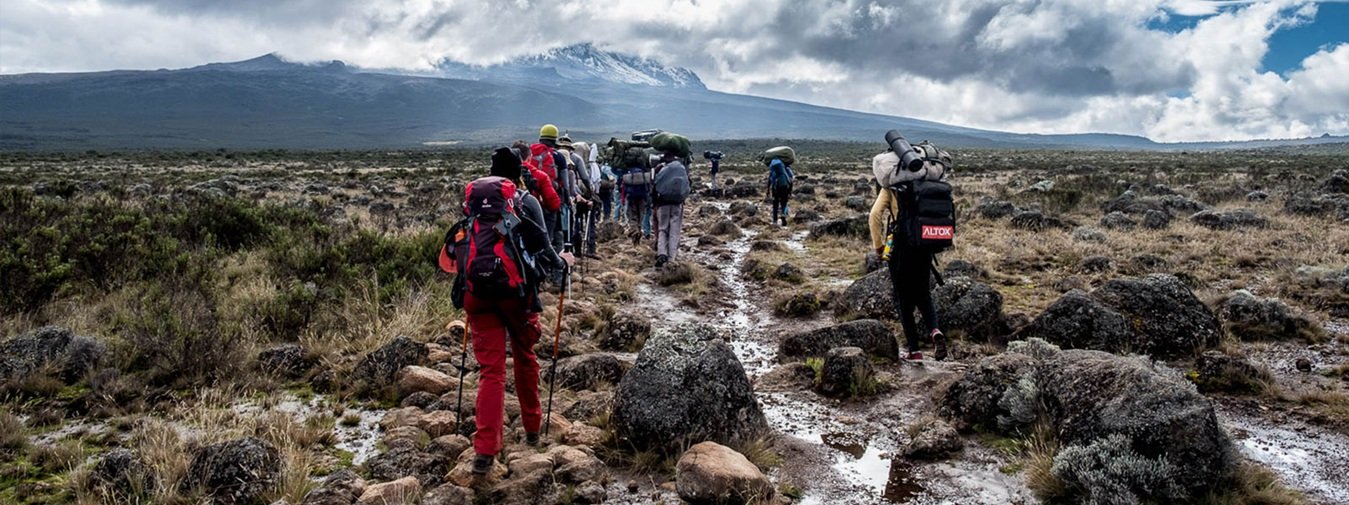
The size of your support team depends on the number of climbers and the chosen route. A solo climber may be accompanied by approximately 7 to 12 crew members, including a guide, cook, and porters. Larger groups will require additional crew members. Tipping is typically divided into several categories, including guides, assistant guides, chefs, waiters, camp masters, and toilet attendants.
How to Handle the Tipping Process
The easiest and most organized way is to collect the total tips from everyone in the group at the end of the trek. Tips can then be split between two envelopes:
One for the guide, assistant guides, and cooks, which can be handed to the lead guide.
One for the porters, which can be given to a porter representative.
Tipping is a meaningful way to say thank you to the crew who make your Kilimanjaro journey possible. With fair planning and thoughtful distribution, your appreciation will go a long way in supporting their livelihoods and ensuring future trekkers enjoy the same outstanding service.
Alternatively, you can prepare individual envelopes for each crew member and hand them out personally if you prefer a more direct approach.
Can Tips Be Paid Before or During the Trek?
Pre-paying tips through your tour operator is discouraged. Due to tax deductions, only a portion would reach the crew. However, you can leave your tipping money with the briefing manager before the trek starts. They’ll give you a receipt, and you can collect your money after the trek to distribute it yourself.
Note: Park regulations prohibit trekkers from carrying more than $200 USD in cash on the mountain. Leaving the tip with the manager helps you stay compliant.
Is It Okay to Tip More or Less Than the Suggested Range?
Absolutely. If your experience was exceptional, tipping at the higher end of the range is encouraged. If you feel the service didn’t meet your expectations, tip accordingly and provide constructive feedback. This helps the company improve.
That said, we don’t recommend excessive tipping above the recommended range, as it may set unsustainable expectations for future groups.
Facts About Mount Kilimanjaro Climbing

- Destinations