Mount Kilimanjaro National Park
- Size
- 1,688 sq km (652 square miles)
- Status
- National Park & UNESCO World Heritage Site
- Year Established
- 1973
- Best Known For
- Hosting Mount Kilimanjaro, Africa's tallest peak and the world's highest free-standing mountain.
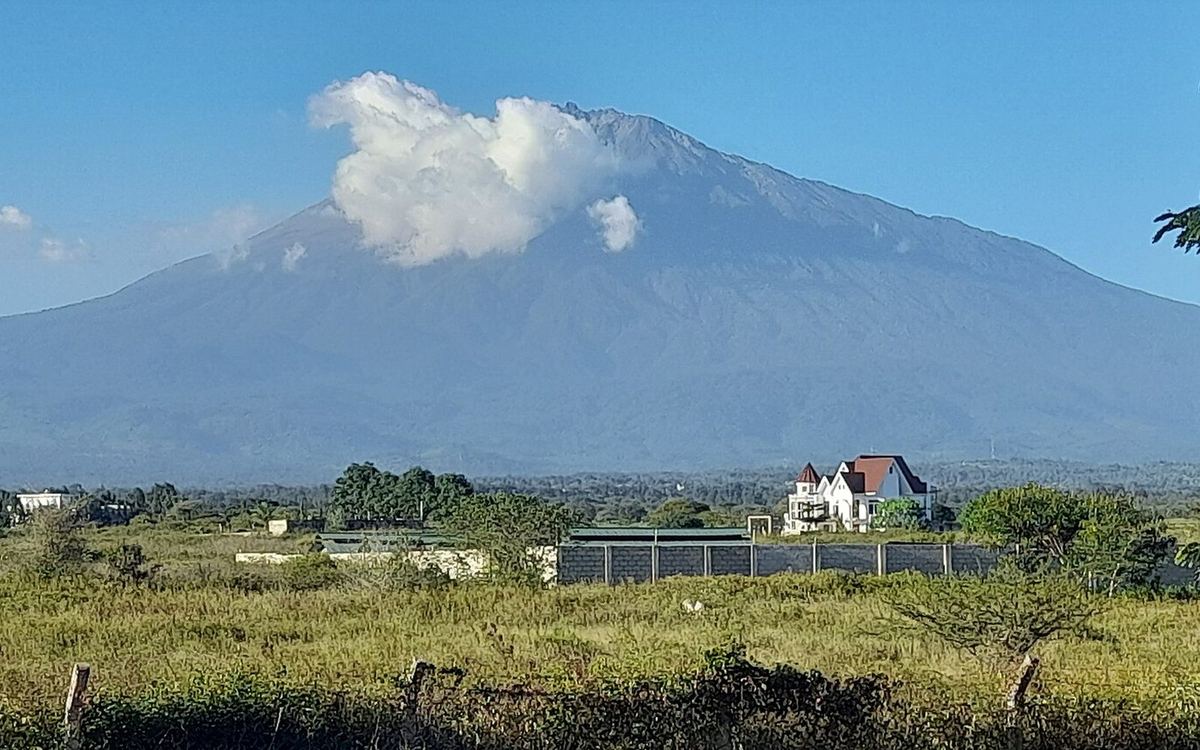
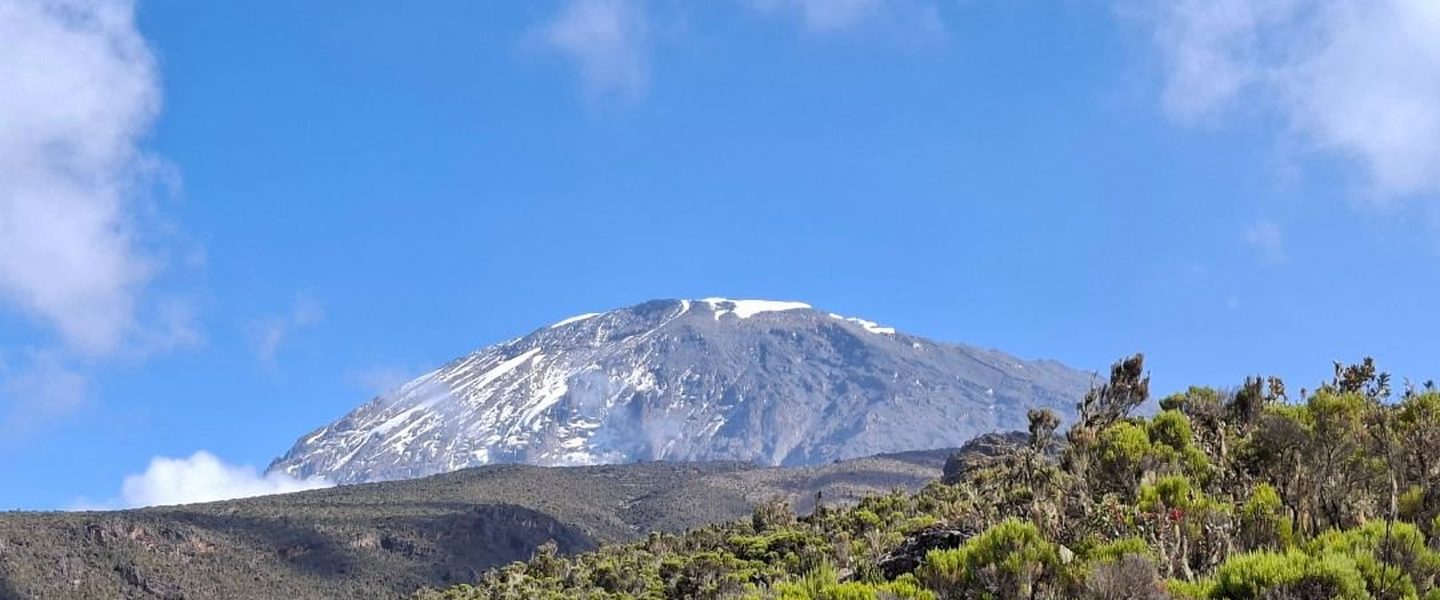
Mount Kilimanjaro National Park is a place of dramatic contrasts, where equatorial heat meets arctic ice. Rising majestically from the dry savannah plains of northern Tanzania, this iconic park protects the world's tallest free-standing volcanic massif. The park is a global magnet for hikers, adventurers, and outdoor enthusiasts who wish to test their limits and stand on the rooftop of Africa at Uhuru Peak.
What makes a Kilimanjaro trek truly unique is the journey through five distinct climate zones in a matter of days. Hikers pass through lush, tropical rainforests, alpine moorlands covered in prehistoric plant life, stark high-altitude deserts, and finally, an arctic summit zone defined by massive glacial ice fields. This ecological diversity offers an unparalleled trekking experience that feels like walking from the equator to Antarctica in a single week.
Wildlife Profile
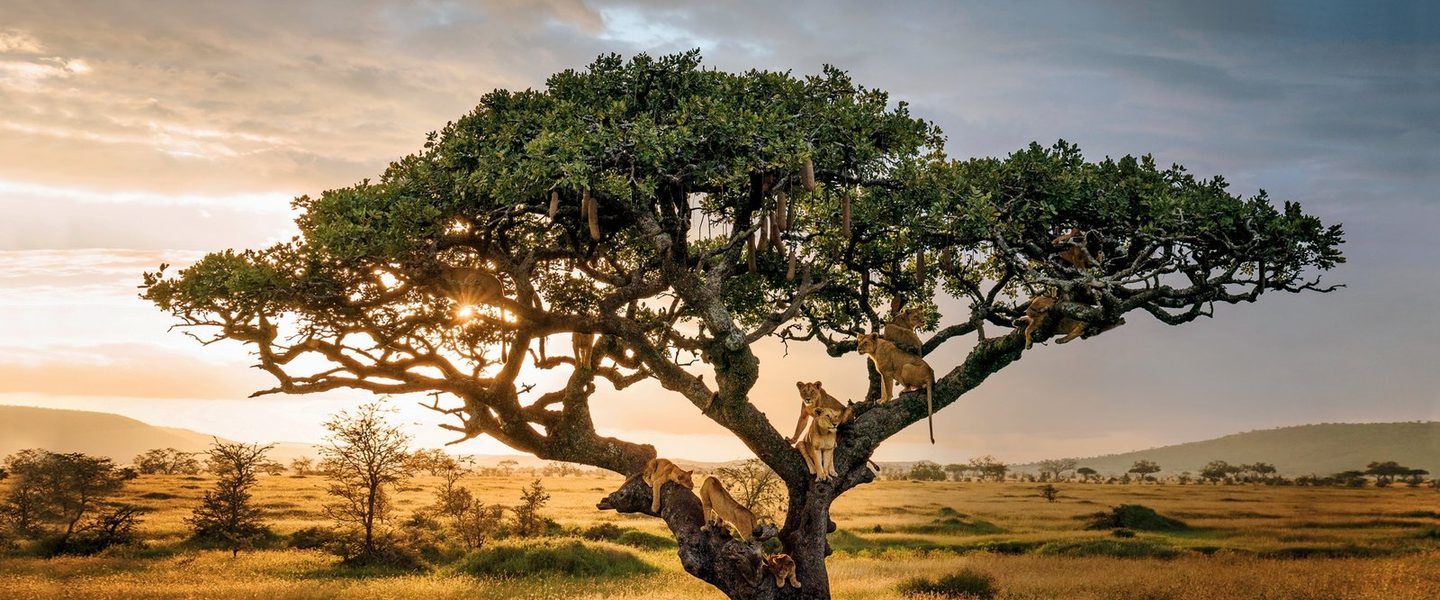
While Kilimanjaro is primarily celebrated for its dramatic landscapes and trekking routes, its dense montane forests shelter a surprising variety of wildlife. Lucky hikers may spot beautiful black-and-white colobus monkeys, blue monkeys, and agile olive baboons swinging through the canopy. The lower forest zones are also home to elusive leopards, bushbacks, and small antelopes like the red duiker. In the higher alpine moorlands, specialized high-altitude species such as the alpine chat, white-necked raven, and four-striped grass mouse thrive in the rugged environment.
Historical Background
Long before international trekkers arrived, Mount Kilimanjaro was revered by the local Chagga people, who called the mountain home for centuries and based their agricultural lifestyle around its fertile, volcanic soils. The first recorded European to sight the snow-capped peak was German missionary Johannes Rebmann in 1848, whose reports of snow on the equator were initially met with widespread skepticism in Europe. The mountain was first successfully climbed in 1889 by German geographer Hans Meyer and Austrian mountaineer Ludwig Purtscheller, alongside their legendary Chagga guide, Yohani Lauwo. Recognizing its immense ecological and cultural global value, the Tanzanian government formally established the area as a national park in 1973, and UNESCO declared it a World Heritage Site in 1987.
Frequently Asked Questions
What is the most successful route to climb Kilimanjaro?
Routes like the Machame (Whiskey) Route and Lemosho Route offer the highest summit success rates because their longer itineraries allow for excellent natural altitude acclimatization ('climb high, sleep low').
Do I need technical mountaineering skills to climb Kilimanjaro?
No. Kilimanjaro is a 'trekking mountain,' meaning it requires no ropes, ice axes, or technical rock-climbing experience. It is a demanding, long-distance trek that requires exceptional physical stamina and strong cardiovascular fitness.