
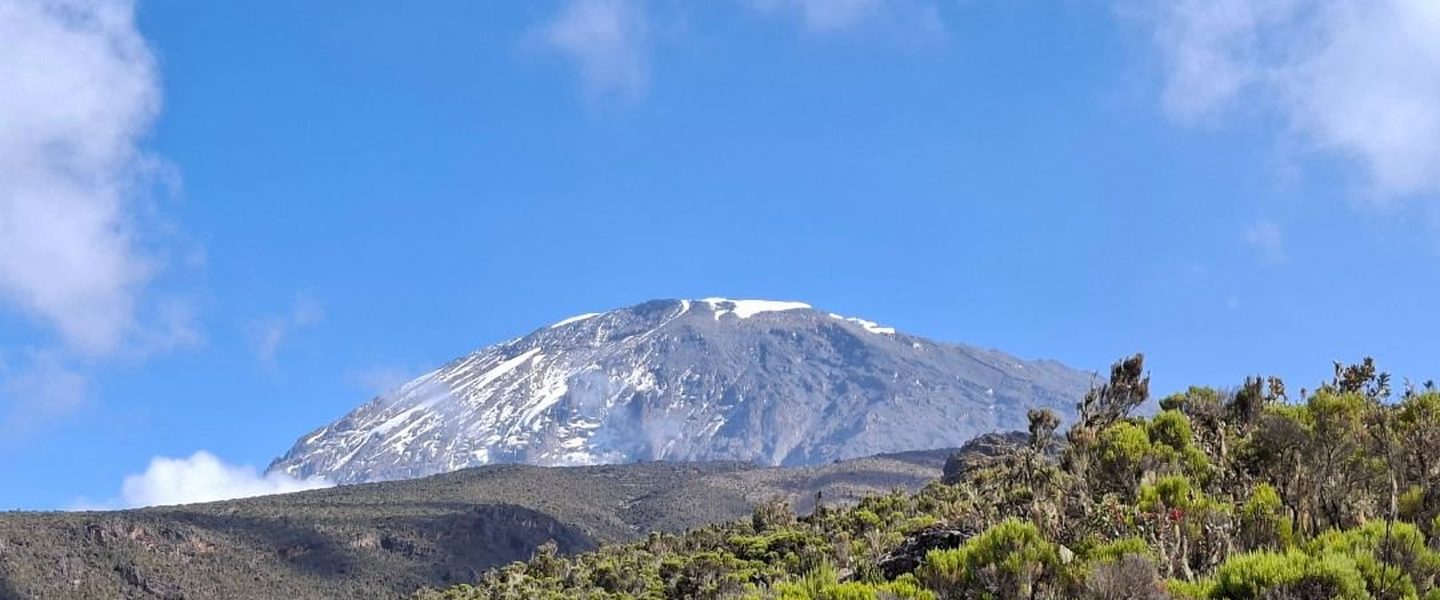
Compare Kilimanjaro Routes.
Six routes, seven if you count the 7-day and 8-day Machame separately, and the differences between them matter. Here is the honest comparison: success rates, scenery, crowds, accommodation, and the climber each route actually suits.
The Comparison Table
Success rates below are based on Go Kilimanjaro Treks data with our acclimatization protocols and Wilderness First Responder guides. Industry-wide rates on the same routes tend to run 10-20 points lower.
| Route | Days | Difficulty | Success | Scenery | Crowds | Accom. | Best for |
|---|---|---|---|---|---|---|---|
| Lemosho | 7-8 days | Moderate | ~85% | Outstanding | Low-Medium | Camping | First-timers, best all-rounder |
| Northern Circuit | 9-10 days | Moderate | ~95% | Outstanding | Very low | Camping | Highest success rate, time-rich climbers |
| Machame (8-day) | 8 days | Moderate+ | ~88% | Excellent | Medium | Camping | Recommended: scenic + Moir Hut day |
| Machame (7-day) | 7 days | Moderate+ | ~78% | Excellent | Medium-High | Camping | Shorter alternative, tighter window |
| Marangu | 5-6 days | Easy-Moderate | ~50% (6d) / ~65% (7d) | Good | High | Huts | Hut sleepers, rainy season, budget |
| Rongai | 7 days | Moderate | ~70% | Good | Low | Camping | Wet season, quiet alternative |
| Umbwe | 6 days | Hard | ~55% | Spectacular | Very low | Camping | Experienced altitude trekkers only |
How to read these numbers
Success rate is the percentage of climbers who reach Uhuru Peak (5,895 m). On the same physical route, a longer itinerary produces a higher success rate because your body has more time to acclimatize. This is not a marketing variable. It is biology.
Scenery reflects diversity of ecosystems traversed (rainforest, moorland, alpine desert, summit) and notable features (Shira Plateau, Barranco Wall, Lava Tower, Mawenzi Tarn, Crater Camp). Every Kilimanjaro route is beautiful. Some routes traverse more variety than others.
Crowds is a function of how many operators run that route. Marangu and Machame are the historic standards and carry the most traffic. Northern Circuit and Rongai are newer or less commonly run and stay quiet. Umbwe is technically difficult enough that it self-selects for fewer climbers.
Difficulty reflects steepness, route exposure, and altitude gain rate. Hard does not mean technical. No Kilimanjaro route requires roped climbing or ice tools. Hard means physically demanding.
Route by route, in plain language
Lemosho (7-8 days): the gold standard for first-timers
Approaches from the western Lemosho Glades, traverses the Shira Plateau, and joins the Southern Circuit. The first three days are far from the southern crowds, which gives the longest acclimatization window of any standard seven-day itinerary. Nelson considers this the safest first-attempt route on the mountain.
Northern Circuit (9-10 days): the highest success rate
Newest route on the mountain, opened in 2014. Longest at roughly 90 km. Climbers start from the west like Lemosho but break away at Lava Tower and trace a wide arc across the rarely visited northern slopes, looking down on Kenya's Amboseli plains. The extra days are the reason its summit success rate is the highest of any route.
Machame 8-day: our flagship recommendation
The 8-day Machame variant adds a dedicated acclimatization day at Moir Hut (4,200 m) on the western slopes, with an afternoon sunset hike toward the Lent Hills. The result is a measurably higher summit success rate than the 7-day version on the same route. Nelson considers this his single best recommendation for most climbers.
Machame 7-day: the shorter alternative
The traditional Whiskey Route compressed into a tighter window by skipping the Moir Hut overnight. Still summits successfully for most climbers, but with a tighter acclimatization profile and a lower success rate. Choose this only if your trip is genuinely time-constrained.
Marangu (5-6 days, recommended as 7): the Coca-Cola Route
The oldest established route on Kilimanjaro and the only one with permanent hut accommodation at Mandara (2,700 m), Horombo (3,720 m), and Kibo (4,703 m). Climbers don't carry or pitch tents. That makes Marangu the most weather-protected option during the long rains. The standard 5 and 6-day itineraries have the lowest summit success rate on the mountain. Nelson recommends the 7-day Marangu, with an extra night at Horombo, whenever the hut experience is the priority.
Rongai (7 days): the dry-season northern approach
Kilimanjaro's only northern approach, climbing from the dry forest near the Kenya border up the leeward side. Because the prevailing winds drop most of their moisture on the southern slopes, Rongai sits in a rain shadow that gets a fraction of the rainfall of Machame or Lemosho. That makes it the natural choice during the long rains of March, April, and May.
Umbwe (6 days): for experienced altitude trekkers only
The shortest and steepest route. The trail climbs almost vertically up the southern face, gaining roughly 1,300 m in the first day alone, more than twice the climb rate of any other route. Lowest summit success rate of the six when run as a standalone climb. Nelson recommends Umbwe only for climbers who have summited a 4,000 m peak previously and understand how their body responds to fast altitude gain.
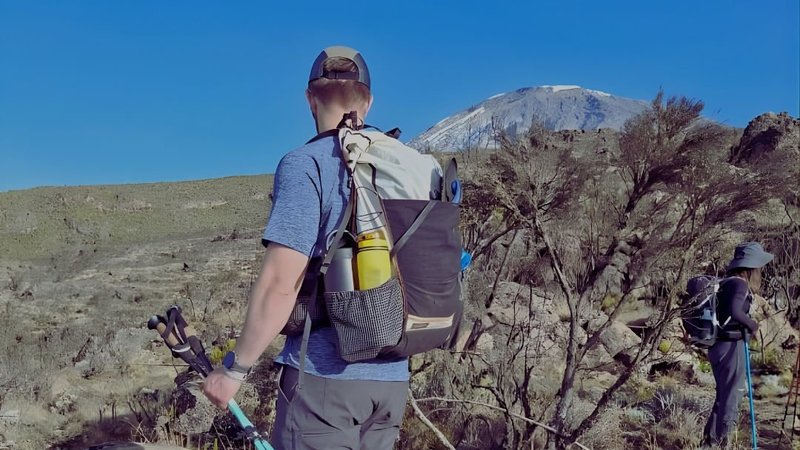
How to actually choose
Three questions answer this for almost every climber:
- How many days can you spend on the mountain? Add the buffer for arrival, briefing, and recovery. If you have 9-10 days on the mountain, take the Northern Circuit. If you have 7-8 days, take Lemosho or the 8-day Machame. If you only have 6 days, take the 7-day Machame and accept the tighter acclimatization. If you only have 5 days, reconsider whether this trip is the right one.
- Are you climbing in the wet season? If so, choose Rongai or Marangu and avoid the western/southern routes.
- Have you climbed a 4,000 m peak before? If yes and you specifically want a wilderness experience, Umbwe is on the table. If no, ignore Umbwe.
Once you have answered those, the decision is usually clear. If it isn't, send Nelson your dates and your hiking history. He responds personally within 24 hours.
Frequently Asked Questions
Which Kilimanjaro route has the highest success rate?
The Northern Circuit at roughly 95%. It is the longest route (9-10 days), which gives your body the longest possible acclimatization window before the summit push. The 8-day Machame and 7-8 day Lemosho both sit in the 85-88% band. The shorter Marangu 6-day variant sits around 50%, the 7-day variant around 65%.
What is the difference between Lemosho and Machame?
Both routes meet at the foot of Lava Tower on Day 3-4 and follow the identical Southern Circuit to the summit. Lemosho starts from the west and adds two extra acclimatization days in quieter country before joining the main route. Machame starts from the south and is the most-walked path on the mountain. Lemosho is quieter and has marginally better acclimatization; Machame is busier but tradition-rich and Nelson grew up in the village at its trailhead.
Which Kilimanjaro route is best for first-time climbers?
Lemosho 7-8 days is the standard recommendation for first-timers. The 8-day Machame with Moir Hut is the close second and Nelson's flagship. Both have strong acclimatization profiles, excellent scenery, and high success rates. Avoid the Marangu 5 or 6-day for a first attempt because the success rate drops sharply with the shorter itinerary.
Which is the easiest Kilimanjaro route?
There is no easy route. Marangu is sometimes called easy because it is the only route with hut accommodation and the trail itself is the gentlest grade. But because it is typically run as 5 or 6 days, its summit success rate is the lowest of any route. The Northern Circuit and the 8-day Lemosho actually have the highest success rates because they give your body time to adjust to the altitude.
Should I climb the Marangu (Coca-Cola) Route or the Machame (Whiskey) Route?
Choose Marangu if you specifically want hut accommodation, if you are climbing in the long rains, or if budget is the deciding factor. Choose Machame for the scenery, the Southern Circuit, and a much stronger summit success rate. We recommend the 8-day Machame with Moir Hut over the 7-day for almost everyone.
Which Kilimanjaro route has the fewest crowds?
Northern Circuit and Rongai are the quietest. Umbwe is even quieter but only suitable for experienced climbers. Lemosho is medium-quiet on the lower section and joins the Machame traffic at Barranco. Marangu and Machame are the busiest.
How long does it take to climb Kilimanjaro?
Itineraries range from 5 to 10 days. We strongly recommend 7 to 9 days because acclimatization is the single biggest factor in summit success. A 5-day Marangu climb has roughly half the success rate of an 8-day route on the same mountain.
Can I climb Kilimanjaro in the rain?
Yes, with caveats. The Rongai Route sits in a rain shadow on the northern side and is the natural choice during the long rains of March-May. The Marangu Route has hut accommodation and is more comfortable in heavy rain than any camping route. The western and southern routes (Lemosho, Machame, Umbwe) can be wet and difficult on the lower forest sections in those months.
Still Choosing?
Tell Nelson your timeline and your hiking history. He will recommend the route that actually fits you, not the one that fits his calendar.