
Tucked away in northern Tanzania near the Kenyan border, Lake Natron is one of Africa’s most otherworldly landscapes. This shallow, alkaline lake glows in shades of pink and red, framed by the dramatic backdrop of Ol Doinyo Lengai—the “Mountain of God,” an active volcano sacred to the Maasai. Its high soda content makes it inhospitable to most wildlife, yet it is the breeding ground for over 75% of the world’s lesser flamingos, transforming it into a vibrant cradle of life.
Beyond its flamingo colonies, Lake Natron is a destination of surreal beauty and raw adventure. The surrounding area offers rugged terrain, waterfalls, hot springs, and ancient hominid footprints preserved in hardened volcanic ash. It’s a place where science, culture, and nature converge, appealing to photographers, birdwatchers, and intrepid travelers seeking something far from the usual safari path.
Lake Natron lies in northern Tanzania’s Rift Valley region, near the base of Ol Doinyo Lengai and close to the Kenyan border. Covering approximately 1,040 km², the lake is shallow and highly saline, with temperatures often exceeding 40°C. Its unique chemical composition creates the ideal breeding environment for flamingos but is harsh for most other aquatic life.
Reaching Lake Natron requires commitment and a sense of adventure. From Arusha, it’s a 6–8 hour drive over rough, dusty roads, with routes passing through Mto wa Mbu or Engaruka. While there is no scheduled air service directly to the lake, charter flights can be arranged to nearby airstrips. The journey itself is part of the experience, offering sweeping views of the Rift Valley, volcanic landscapes, and Maasai villages along the way.

January – The lake’s water levels are lower, creating extensive mudflats and ideal feeding grounds for flamingos. The hot, dry weather ensures clear views of Ol Doinyo Lengai. Early mornings and evenings are the most comfortable for exploring the area’s waterfalls and birdlife.
February – Still part of the dry season, February offers excellent flamingo viewing. The stark, dry surroundings make the lake’s colors even more vibrant. This month is great for photography, though midday heat can be intense. Early starts are recommended for hikes and cultural visits.
March – Temperatures remain high, but the first hints of the long rains may appear toward the end of the month. Flamingo activity is steady, and landscapes retain their dramatic, dry-season tones. Visitor numbers are low, offering a peaceful experience.
April – The long rains peak, making the surrounding terrain greener and more alive. Fewer visitors come during this month, so it’s ideal for solitude. Flamingo numbers may decrease slightly, but the lush landscapes around the waterfalls are stunning.
May – Rains begin to subside, and vegetation remains green. Flamingos start returning in greater numbers to prepare for the breeding season. The cooler post-rain conditions make it comfortable for hiking to nearby hot springs and exploring the escarpment.
June – Dry season begins, and flamingo breeding peaks. The lake turns into a sea of pink, with chicks huddled along the shorelines. Wildlife is scarce compared to other parks, but birdlife is phenomenal. Cooler, dry weather makes this an excellent month for exploration.
July – Peak flamingo breeding continues, and the lake is at its most vibrant. The dry weather ensures clear skies and excellent visibility of Ol Doinyo Lengai. This is a prime month for photographers and birdwatchers, though accommodations may book quickly.
August – Breeding season starts to wind down, but flamingos remain abundant. The landscape is arid, creating a striking contrast with the colorful lake. This is also an ideal month for climbing Ol Doinyo Lengai or exploring the Engaresero waterfalls.
September – Flamingo numbers begin to decline, but many remain along the lake’s shallow edges. Days are warm and dry, perfect for hikes and cultural visits. Tourist numbers are moderate, offering a balanced experience between seclusion and activity.
October – The end of the dry season brings intense heat and dusty conditions, but flamingos can still be seen in smaller flocks. Cultural encounters with local Maasai communities are especially rewarding this month, as the landscape feels raw and untamed.
November – Short rains return, cooling the air and reviving the surrounding vegetation. Flamingos begin moving in greater numbers, and bird diversity increases. This transitional period offers a softer, greener look to the otherwise stark scenery.
December – The lake fills slightly from rains, and flamingos gather once again in impressive numbers. Temperatures are warm but manageable, and the surrounding area is lush. The holiday season brings more visitors, so early planning is advised.


Lake Natron’s story is one of geological wonder and ecological uniqueness. Formed in the Great Rift Valley, the lake’s high alkalinity is a result of minerals from volcanic ash—particularly from Ol Doinyo Lengai—dissolving into its waters. This extreme environment, with water temperatures often reaching 50°C, supports specialized microorganisms that give the lake its striking red and pink hues. These same conditions create the perfect breeding habitat for lesser flamingos, making it one of the most important nesting sites in the world.
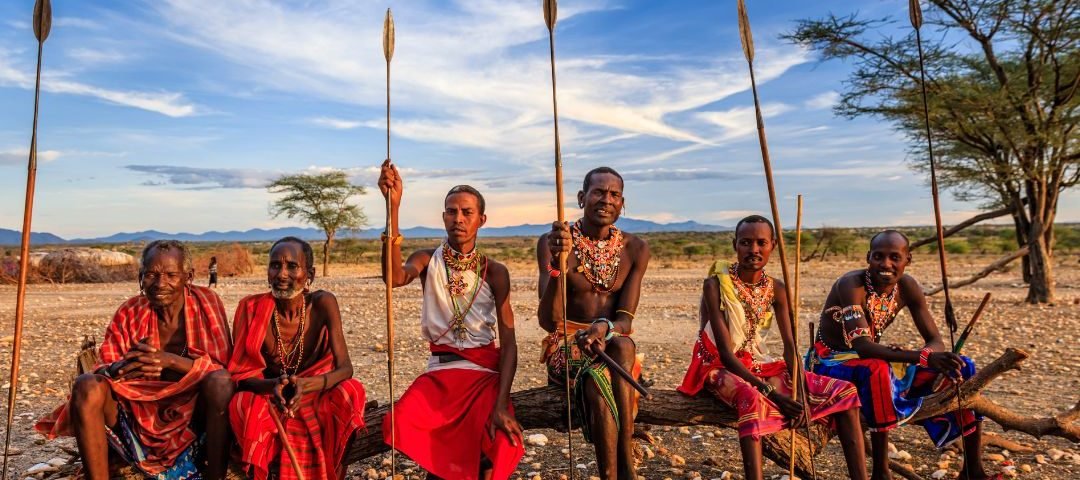
For centuries, the Maasai people have lived around Lake Natron, revering Ol Doinyo Lengai as a sacred mountain. The area’s cultural heritage is just as rich as its natural wonders, with ancient hominid footprints—over 100,000 years old—preserved in nearby mudflats. In recent decades, conservation efforts have sought to protect this fragile ecosystem from threats such as water diversion and climate change, ensuring that both its wildlife and cultural history endure for future generations.
Its surreal, alkaline waters, volcanic backdrop, and role as the primary breeding ground for lesser flamingos set Lake Natron apart. The combination of extreme landscapes, cultural heritage, and specialized wildlife makes it unlike any other place in Tanzania.
No, swimming is not recommended due to the lake’s high alkalinity and extreme temperatures, which can cause skin irritation. However, nearby freshwater springs and waterfalls offer safe and refreshing swimming opportunities.
June to August is peak breeding season, when the lake is covered with flamingos and their chicks. However, flamingos can be seen in varying numbers throughout the year.
The most common route is a 6–8 hour drive from Arusha via Mto wa Mbu or Engaruka. The road is rough and dusty, so a 4×4 vehicle is essential. Charter flights are available to nearby airstrips.
Yes, many itineraries pair Lake Natron with the Ngorongoro Highlands, Serengeti, or Tarangire. It’s also a popular stop for travelers heading to or from northern Kenya.
Yes, there are several lodges and camps in the Engaresero area, ranging from basic tented camps to more comfortable eco-lodges. All offer stunning views of the lake and Ol Doinyo Lengai.
Popular activities include guided flamingo walks, hiking to Engaresero waterfalls, climbing Ol Doinyo Lengai, visiting ancient footprints, and cultural tours with the Maasai. Each experience offers a deeper connection to the region’s unique environment and traditions.