Filter by Theme
Filter by Duration
INQUIRE NOW WHATSAPP CHAT What to expect The 10-Day Northern Circuit Route with Crater Camp is one
INQUIRE NOW WHATSAPP CHAT What to expect The Marangu Route, affectionately known as the “Coca-Cola Route,” is
INQUIRE NOW WHATSAPP CHAT What to expect The 10-day Northern Circuit Route is Kilimanjaro’s newest and longest
INQUIRE NOW WHATSAPP CHAT What to expect The Umbwe Route is renowned as the most challenging and
INQUIRE NOW WHATSAPP CHAT What to expect The 7-Day Rongai Route offers one of the quietest and
INQUIRE NOW WHATSAPP CHAT What to expect The 10-day Northern Circuit Route is Kilimanjaro’s newest and longest
INQUIRE NOW WHATSAPP CHAT What to expect The 7-Day Lemosho Route offers a scenic, rewarding, and well-paced
INQUIRE NOW WHATSAPP CHAT What to expect The Marangu Route, often called the “Coca-Cola Route,” is the
Mount Kilimanjaro, the highest mountain in Africa, rises majestically to 5,895 meters (19,341 feet) above sea level. Situated in northern Tanzania, near the town of Moshi and the border with Kenya, it is celebrated as the tallest free-standing mountain on Earth and a truly iconic landmark admired across the globe.
Composed of three volcanic cones—Kibo (dormant), Mawenzi (eroded), and Shira (extinct)—Mount Kilimanjaro has long been admired as a geological wonder. Its snow-capped summit, often visible for miles across the plains, has become a symbol of adventure and inspiration. In recognition of its cultural and natural importance, the mountain was declared a UNESCO World Heritage Site in 1987.
A remarkable ecological journey is experienced on its slopes, where trekkers pass through tropical rainforests, heathlands, alpine deserts, and finally, the icy glaciers near the peak. This dramatic variation in climate and vegetation has made Kilimanjaro one of the most biodiverse mountains in the world.
Adventurers from every corner of the planet are drawn to this peak, as climbing Mount Kilimanjaro is considered part of the prestigious Seven Summits challenge. Unlike many of the world’s tallest peaks, the ascent does not demand advanced technical climbing skills. Instead, with proper preparation, determination, and acclimatization, the summit—known as Uhuru Peak—can be reached by trekkers seeking the ultimate adventure.
For the Chagga community, who live on its fertile foothills, Kilimanjaro carries profound cultural and spiritual meaning. To Tanzania as a nation, it stands as a proud symbol, even appearing on the country’s coat of arms. However, the mountain is also a site of global concern, as its shrinking glaciers highlight the pressing impact of climate change.
Today, Mount Kilimanjaro is more than just the Roof of Africa—it is a destination of adventure, cultural heritage, and scientific importance. Trekkers who journey here not only conquer Africa’s highest peak but also immerse themselves in an unforgettable landscape where nature, history, and human spirit meet.
Mount Kilimanjaro is found in northern Tanzania, within the protected boundaries of **Kilimanjaro National Park**, which spans about 1,688 km² (652 mi²). The park was established to preserve the mountain’s unique ecosystems and diverse wildlife, making it both a natural sanctuary and a world-class trekking destination.
Rising just 300 km (190 mi) south of the equator, Kilimanjaro stands close to the town of Moshi and lies only 120 km (75 mi) from the Tanzania–Kenya border. Thanks to this strategic location, the mountain has earned a reputation as one of the most accessible high peaks on the planet. Whether visitors come for trekking Mount Kilimanjaro, exploring its forests, or simply admiring its snow-capped summit, the journey is made convenient by well-connected routes and nearby international airports.
Rising abruptly from the surrounding savannah and farmland, Kilimanjaro dominates the East African landscape. Its snow-capped summit is visible from hundreds of kilometers away, reinforcing its status as the tallest free-standing mountain in the world.
Kilimanjaro consists of three main volcanic cones, each with a distinct history:
The volcanic activity produced fertile soils that today support rich agriculture on the lower slopes, particularly coffee and banana cultivation.
Kibo’s summit hosts the Furtwängler Glacier and other ice fields, remnants of a much larger ice cap that once covered the mountain. These glaciers are retreating rapidly due to climate change, making Kilimanjaro a key site for glaciology studies and environmental monitoring.
Kilimanjaro offers unique insights into:
1. Montane Forest Zone (1,800 – 2,800 m / 5,900 – 9,200 ft)
2. Heath and Moorland Zone (2,800 – 4,000 m / 9,200 – 13,100 ft)
3. Alpine Desert Zone (4,000 – 5,000 m / 13,100 – 16,400 ft)
4. Arctic Summit Zone (5,000 – 5,895 m / 16,400 – 19,341 ft)
Climate Patterns
Kilimanjaro has two rainy seasons:
Long rains: March to May
Short rains: November to December
Best trekking months are generally January–February and June–October, when the weather is more stable and trails are drier.
For centuries, Mount Kilimanjaro has inspired awe and reverence. The Chagga people, who inhabit the fertile lower slopes, consider the mountain sacred, and it features prominently in local myths, traditions, and community life. Beyond its spiritual role, the mountain’s volcanic soils have supported agriculture, shaping the livelihoods of generations.
The first recorded European sighting of Kilimanjaro occurred in the mid-19th century, though Arab traders and local communities had long known its towering peaks. In 1889, Hans Meyer, a German geographer, together with Austrian mountaineer Ludwig Purtscheller, became the first documented climbers to reach the summit of Kibo, the highest cone. This historic ascent marked a milestone in mountaineering history and introduced Kilimanjaro to the global adventure and scientific communities.
Since then, Kilimanjaro has become a destination for trekkers, climbers, and researchers from around the world. Its unique position as the tallest free-standing mountain in Africa and as part of the Seven Summits challenge makes it both a recreational and scientific hotspot. Expeditions include everything from geological surveys and glaciology studies to recreational trekking, allowing visitors to experience diverse ecological zones and stunning landscapes.
Kilimanjaro’s history is not only about exploration but also preservation. The mountain faces ongoing challenges, including deforestation, climate change, and glacial retreat, prompting collaborative efforts to protect its environment. Today, Kilimanjaro represents a shared natural and cultural heritage, connecting people across generations and continents, and serving as a symbol of perseverance, environmental stewardship, and adventure.
Climbing Mount Kilimanjaro is one of the most sought-after adventures in the world. Each year, thousands of trekkers are drawn to the mountain, eager to experience the thrill of standing on Africa’s highest peak. Kilimanjaro offers a range of trekking routes, each with unique landscapes, challenges, and cultural experiences. Whether you are a beginner or an experienced climber, there is a route tailored to your pace, preferences, and fitness level.
The Marangu Route, often called the Coca-Cola Route, is the most established path on Kilimanjaro. Famous for its hut accommodation along the way, this route offers a comfortable trek with well-marked trails. The ascent is gradual, making it one of the easier routes for beginners, while passing through lush montane forests and alpine moorlands before reaching Kibo’s summit.
For those seeking a more scenic and challenging climb, the Machame Route is a popular choice. It winds through dense rainforest, heathlands, and rocky alpine desert, offering stunning vistas at every turn. Known for its higher success rate for reaching the summit, Machame also provides trekkers with a sense of adventure while still being achievable for moderately experienced climbers.
The Lemosho Route is ideal for those wanting seclusion and panoramic views. Approaching Kilimanjaro from the west, it passes through remote forests and high-altitude plateaus, giving trekkers a chance to experience wildlife and fewer crowds. Its longer duration allows better acclimatization, which increases the likelihood of a successful summit.
Starting from the northern side near Kenya, the Rongai Route offers a drier, less trafficked ascent. It features gentle slopes in the early stages and dramatic views of Mawenzi’s jagged peaks, making it perfect for travelers who prefer a quieter and more peaceful trekking experience.
The Northern Circuit Route is the longest route on Kilimanjaro, circling the mountain and providing the most panoramic views. Trekkers enjoy a full journey through multiple ecological zones and the chance to witness Kilimanjaro’s glaciers up close. Its longer duration also improves acclimatization, making it suitable for those aiming to maximize summit success.
The Umbwe Route is the steepest and most direct path, recommended for fit, experienced climbers seeking a physically demanding challenge. The Shira Route, approaching from the west, offers a gentle ascent across high-altitude plateaus with dramatic scenery, gradually merging with the Lemosho route.
Kilimanjaro’s diversity of trekking routes allows travelers to tailor their adventure to their fitness level, preferred scenery, and schedule. Along the way, trekkers encounter everything from tropical rainforests and moorlands to alpine deserts and icy summits, making the journey as memorable as reaching the peak itself.
Mount Kilimanjaro is a remarkable natural treasure, but it faces several urgent environmental and conservation challenges that threaten its long-term survival.
Retreating Glaciers
Deforestation and Habitat Loss
Tourism Impact
Each year, tens of thousands of climbers impact the mountain through:
Sustainable Tourism and Conservation Efforts
Initiatives focus on:
Kilimanjaro’s conservation story is about more than preserving ice or forests—it is about protecting a shared heritage that sustains livelihoods, inspires travelers, and symbolizes the importance of global environmental responsibility.
Montane Forest Zone (1,800 – 2,800 m / 5,900 – 9,200 ft)
Dense tropical forests with ferns, mosses, and towering camphorwood and fig trees.
Wildlife includes:
Blue monkeys, black-and-white colobus monkeys, and bushbucks.
Rich birdlife with species such as the Hartlaub’s turaco and silvery-cheeked hornbill.
This zone receives the most rainfall and provides vital water catchment for local communities.
Heath and Moorland Zone (2,800 – 4,000 m / 9,200 – 13,100 ft)
Characterized by heath shrubs, giant groundsels, and lobelias adapted to cooler climates.
Notable fauna:
Small mammals like hyraxes.
Birds such as the scarlet-tufted malachite sunbird.
Landscape features unique plants that have adapted to cold nights and strong UV radiation.
Alpine Desert Zone (4,000 – 5,000 m / 13,100 – 16,400 ft)
Sparse vegetation due to low rainfall and extreme temperature shifts.
Plant life is limited to hardy grasses, lichens, and mosses.
Animal life is rare, though spiders, beetles, and occasional birds may be spotted.
Arctic Summit Zone (5,000 – 5,895 m / 16,400 – 19,341 ft)
Virtually lifeless due to freezing temperatures and low oxygen.
Covered with ice fields, glaciers, and snow, though these are rapidly retreating.
Unique Biodiversity and Conservation Value
Kilimanjaro is recognized as a UNESCO World Heritage Site for its biodiversity.
Its ecological zones offer habitats for both endangered species and endemic plants found nowhere else.
Protecting this biodiversity is crucial for global conservation efforts and for maintaining the ecological balance of northern Tanzania.
Cultural and Spiritual Significance
National Identity and Global Symbol
Economic Contributions
Thousands of jobs are created through:
Cultural Exchange and Community Benefits
Climbing Mount Kilimanjaro is a once-in-a-lifetime adventure, but success depends on careful preparation, proper gear, and safe practices. While thousands reach the summit each year, altitude, weather, and physical exertion can pose challenges if not well-managed.
| Preparation Area | Recommendations | Why It Matters |
|---|---|---|
| Training Timeline | Start 8–12 weeks before the climb; build a consistent routine. | Builds endurance and reduces injury risk during multi-day trekking. |
| Cardio Fitness | Hiking, stair climbing, cycling, and running. | Improves stamina for long trekking days and uphill sections. |
| Strength Training | Legs, core, and back exercises (squats, lunges, planks). | Supports carrying gear, reduces fatigue, and improves balance. |
| Practice Hikes | Long walks with a loaded backpack; include back-to-back hiking days. | Simulates real trekking conditions and speeds recovery adaptation. |
| Flexibility & Recovery | Stretching, mobility work, foam rolling, and yoga sessions. | Reduces muscle strain and helps prevent overuse injuries. |
Altitude and Acclimatization
Altitude sickness is the most common challenge on Kilimanjaro, with symptoms like headaches, nausea, and dizziness.
Reduce risks by:
Choosing longer routes (e.g., Lemosho or Northern Circuit) for gradual acclimatization.
Following the principle of “climb high, sleep low.”
Staying hydrated, eating well, and resting adequately.
Medication such as acetazolamide (Diamox) may help, but consult a doctor before use.
Essential Gear and Packing Tips
Health and Safety Considerations
Practical Climbing Tips
Choosing the best time to climb Kilimanjaro can greatly influence your experience, from weather conditions to crowd levels and summit success rates. Although the mountain can technically be climbed year-round, some months provide a more comfortable and rewarding adventure.
🌞 Dry Seasons (Best Conditions)
The two dry seasons are considered the best times for climbing:
These seasons provide the highest summit success rates, as conditions are more predictable and trails are less muddy.
🌧️ Rainy Seasons (Challenging Conditions)
🌍 Climatic Zones and Weather at the Summit
Even in dry seasons, Kilimanjaro’s diverse climatic zones mean trekkers experience everything from tropical heat to alpine cold:
Montane Forest (2,000–3,000 m): Lush, with occasional showers.
Alpine Desert (4,000–5,000 m): Dry, dusty, with strong sun during the day and freezing nights.
Summit (5,895 m): Arctic-like conditions, often below freezing even in the dry season.
| Months | Conditions | Recommended For |
|---|---|---|
| Jan – Mar | Clear skies, warm, fewer climbers | Trekkers seeking less-crowded routes |
| Apr – May | Heavy rains, muddy trails, poor visibility | Not recommended (unless seeking solitude) |
| Jun – Oct | Dry season, stable weather, busiest period | Best overall conditions and summit success |
| Nov | Short rains, occasional showers | Experienced trekkers accepting wetter conditions |
| Dec | Transition month, moderate weather | Good alternative if Jan–Mar is not possible |
The Main Kilimanjaro Routes
| Route | Duration | Difficulty | Highlights | Summit Success Rate |
|---|---|---|---|---|
| Marangu | 5–6 days | Moderate | Hut accommodation, shortest path | 60–75% |
| Machame | 6–7 days | Challenging | Diverse scenery, gradual acclimatization | 85–90% |
| Lemosho | 7–8 days | Moderate to Challenging | Less crowded, very scenic | ~90% |
| Rongai | 6–7 days | Moderate | Quieter, drier route, views from the north | 60–70% |
| Northern Circuit | 9–10 days | Moderate | Longest route, 360° views, best acclimatization | ~90% |
| Umbwe | 5–6 days | Very Difficult | Steepest, most direct path | 50–60% |
Choosing the best Kilimanjaro route depends on your fitness level, available time, and personal preference. If you’re looking for the highest success rates and stunning scenery, the Lemosho, Machame, or Northern Circuit routes are excellent choices. Climbers with limited time often consider the Marangu or Rongai routes, though acclimatization can be more challenging. The Umbwe route, while direct and adventurous, is recommended only for highly experienced trekkers due to its steep terrain and lower success rates.
Hut Accommodation:
Available only on the Marangu Route, huts provide basic but comfortable sleeping spaces with mattresses, shared bathrooms, and protection from the elements. Ideal for trekkers who prefer less packing and moderate physical challenge.
Tented Accommodation:
Most other routes, including Machame, Lemosho, Rongai, Umbwe, and Northern Circuit, rely on tents. These tents are typically high-quality, two-person tents with thick sleeping mats. Experienced guides and porters set up camp at each night stop, allowing trekkers to enjoy comfort even in remote areas.
Typical Base Camp Experience
| Route | Accommodation Type | Comfort Level | Notes |
|---|---|---|---|
| Marangu | Huts | Moderate | Shared rooms, basic bedding, meals in dining huts |
| Machame | Tented Camps | Comfortable | Two-person tents, sleeping mats, porters set up camps |
| Lemosho | Tented Camps | Comfortable | Less crowded, scenic campsites, gradual acclimatization |
| Rongai | Tented Camps | Comfortable | Drier route, quieter camps, fewer trekkers |
| Northern Circuit | Tented Camps | Comfortable | Longest route, excellent acclimatization, remote scenery |
| Umbwe | Tented Camps | Basic to Moderate | Steep route, fewer facilities, experienced trekkers only |
Climbing Mount Kilimanjaro requires official permits and fees, which support conservation, park management, and local communities. Understanding these costs upfront helps trekkers budget accurately and ensures a smooth experience. Fees vary slightly depending on the route, number of trekking days, and park policies, but the main categories are consistent across climbs.
| Fee Type | Estimated Cost (USD) | Notes |
|---|---|---|
| Kilimanjaro National Park Entry | $70–90 per day | Covers conservation, rangers, and park services |
| Camping / Hut Fees | $30–50 per night | Huts on Marangu Route; tents on all other routes |
| Rescue / Insurance Fee | $20–25 | Mandatory for emergency support and rescue |
| Guide & Porter Fees | $250–350 per guide; $150–200 per porter | Hiring certified guides is mandatory; porters help carry equipment |
Notes & Tips
Clothing Essentials
Proper clothing is crucial because Kilimanjaro spans multiple climate zones, from tropical rainforest at the base to arctic conditions at the summit.
Footwear
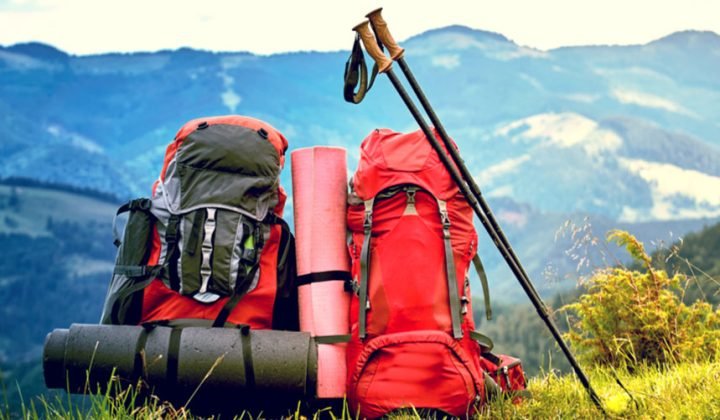
Technical Gear
Personal & Health Essentials
Optional Comfort Items
Quick Kilimanjaro Packing Tips
| Category | Items | Notes |
|---|---|---|
| Clothing | Base layers, fleece jackets, down jackets, waterproof jacket & pants, trekking pants & shorts, T-shirts, long-sleeve shirts, gloves, hats, socks, gaiters | Layering is key; moisture-wicking fabrics recommended |
| Footwear | Trekking boots, camp shoes/sandals, high-quality socks, liner socks | Break in boots before trek to prevent blisters |
| Technical Gear | Backpack (30–40L), sleeping bag (-10°C / 14°F), headlamp & extra batteries, trekking poles, water bottles/hydration system, sunglasses, sunscreen | Essential for comfort, safety, and summit attempt |
| Personal & Health | First aid kit, blister pads, painkillers, antiseptic, toiletries, wet wipes, snacks/energy bars, water purification tablets, camera/phone | Altitude sickness medication recommended; consult a doctor |
| Optional Comfort | Earplugs & eye mask, journal/notebook, lightweight sitting mat | Improves sleep and camp comfort, especially on multi-day treks |
Altitude Sickness Prevention
General Health & Hygiene
Safety on the Trails
| Tip | Description |
|---|---|
| Gradual ascent | Prevents altitude sickness and increases summit success. |
| Hydration | Drink frequently and avoid alcohol or excessive caffeine. |
| Layering clothing | Adjust to rapidly changing weather and temperature zones. |
| Certified guides | Essential for safety, navigation, and emergency support. |
| Health check | Consult a doctor before trekking for altitude and fitness advice. |
The best months to climb Kilimanjaro are during the dry seasons:
While no technical skills are required, physical preparation is important. Focus on:
All climbers must pay park fees and permits, which are included when booking with a licensed tour operator. Independent climbing is not allowed; you must be accompanied by registered guides and porters.
Climbing is generally safe with proper preparation, certified guides, and responsible operators. The main risk is altitude sickness, which can be managed with gradual ascent, hydration, and awareness of symptoms. Reputable operators carry oxygen and have evacuation procedures if needed.
You’ll need layered clothing for different climate zones, sturdy boots, a warm sleeping bag, trekking poles, and personal essentials. (See our Kilimanjaro Packing List above for a complete breakdown.)