Nestled in northern Tanzania, the Ngorongoro Conservation Area is a place where nature, history, and culture intertwine in breathtaking harmony. At its heart lies the legendary Ngorongoro Crater, Africa’s largest intact volcanic caldera and a natural wonder often called “Africa’s Garden of Eden.” Here, vast open grasslands, shimmering soda lakes, and acacia woodlands form a stage for one of the most concentrated displays of wildlife on the planet.
More than just a haven for animals, the Ngorongoro Conservation Area is a living landscape where the Maasai people coexist with lions, elephants, and rhinos, preserving traditions that date back centuries. From the archaeological treasures of Olduvai Gorge to the seasonal movements of the Great Migration, every corner tells a story — making Ngorongoro a destination that blends adventure, culture, and natural beauty like nowhere else in the world.
he Ngorongoro Conservation Area is located in northern Tanzania, just west of the Serengeti National Park, forming part of the larger Serengeti ecosystem. The Ngorongoro Crater, its most famous feature, sits at an elevation of approximately 2,200 meters (7,200 feet) above sea level, providing a cool and scenic highland environment that contrasts beautifully with the surrounding plains.
Accessing the Ngorongoro Conservation Area is relatively straightforward for travelers. The area is about a 3–4 hour drive from Arusha, the nearest major city, which also hosts Kilimanjaro International Airport. Visitors can reach Ngorongoro by private car, safari tour vehicles, or organized day trips from nearby lodges and Serengeti safaris. Roads are generally well-maintained, but a 4×4 vehicle is recommended for exploring crater edges and remote areas, ensuring a smooth and safe journey into this iconic wildlife sanctuary.

September in the Ngorongoro Conservation Area offers excellent dry-season conditions, with animals in the Ngorongoro Crater concentrating near waterholes. It’s also a slightly quieter month than August, making it a good choice for travelers who want prime game viewing with fewer crowds. Warm days and crisp evenings provide perfect safari weather and stunning sunsets over the crater rim.



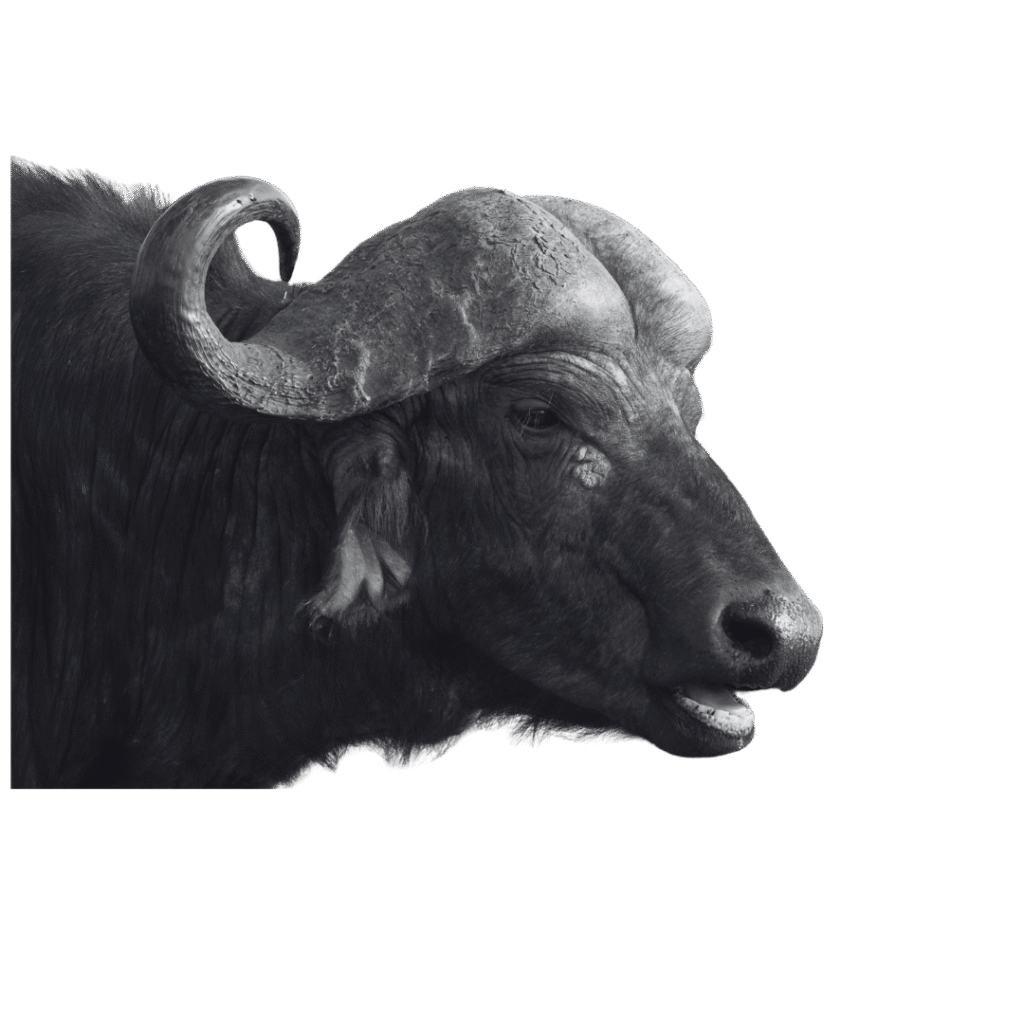
Nestled within Tanzania’s northern highlands, the Ngorongoro Conservation Area stands as one of the most remarkable landscapes on Earth—a place where the harmony between nature, wildlife, and humankind is preserved with extraordinary care. Spanning over 8,000 square kilometers, this UNESCO World Heritage Site is not just a sanctuary for wildlife, but also a living example of coexistence, where the traditional Maasai people continue to live and herd their cattle within a protected wilderness.
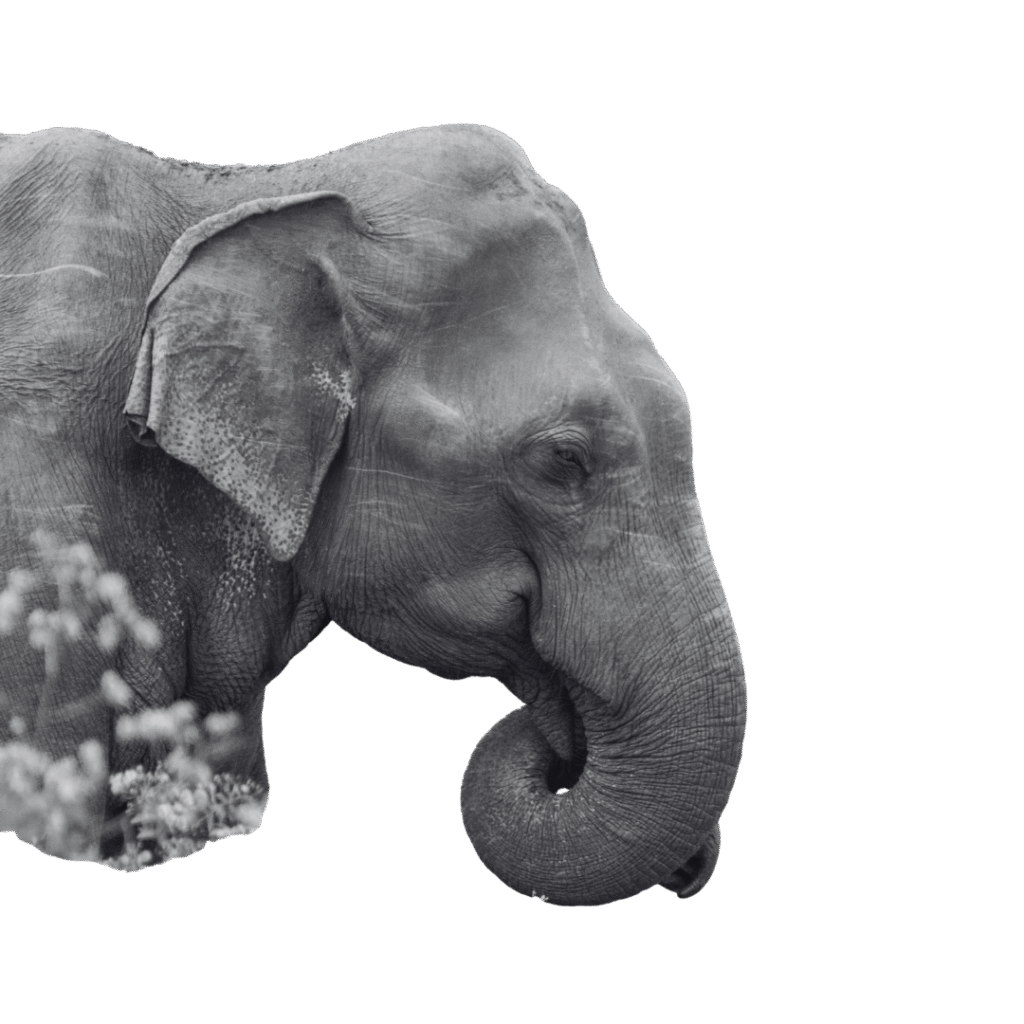
The story of Ngorongoro begins millions of years ago, when a massive volcano, towering higher than Kilimanjaro, erupted and collapsed in on itself. The result was a vast, bowl-shaped caldera—the Ngorongoro Crater—measuring about 20 kilometers wide and 600 meters deep. Over time, nature filled this natural amphitheater with life: grasslands for grazers, acacia forests for leopards, and shallow lakes that draw flamingos in dazzling pink swirls. It is often described as the Eighth Wonder of the World, a self-contained Eden where lions, elephants, rhinos, and thousands of other creatures thrive in an unbroken cycle of life.
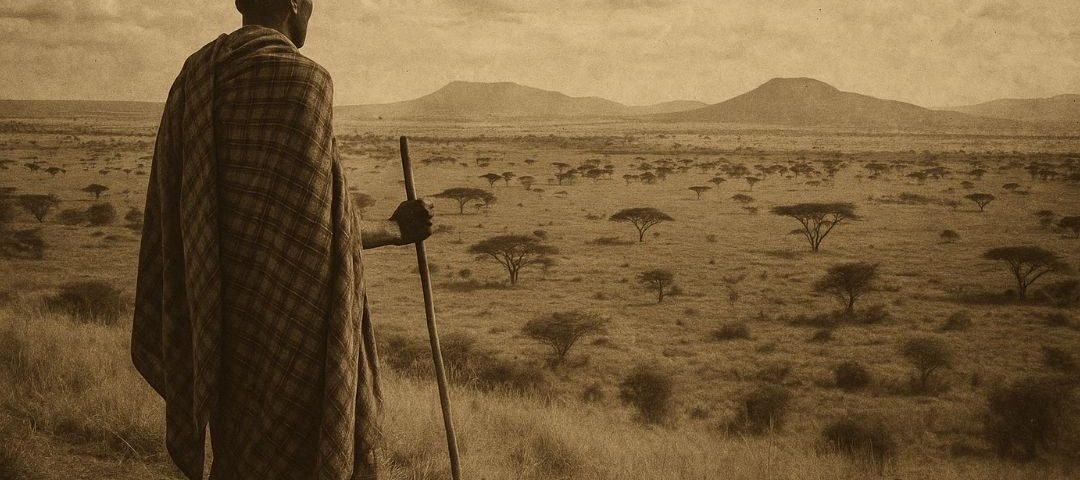
But Ngorongoro’s story is not only one of geology and wildlife—it is also deeply human. The surrounding area has been home to people for over three million years, as evidenced by discoveries in Olduvai Gorge, one of the most important prehistoric sites in the world. Here, archaeologists Louis and Mary Leakey unearthed fossils and tools that revealed the earliest traces of humankind. Today, the Maasai people carry forward that ancient connection, living in balance with the land, their red shukas (robes) and rhythmic chants becoming an inseparable part of Ngorongoro’s cultural heartbeat.
Declared a Conservation Area in 1959, Ngorongoro remains a model of sustainable coexistence—where wildlife protection, archaeological heritage, and human livelihood intertwine. Visitors who descend into the crater experience more than a safari; they step into a story millions of years in the making—a story of fire and time, of evolution and tradition, and of a land where the past and present merge into something timeless and sacred.
The Ngorongoro Crater is located in the Ngorongoro Conservation Area of northern Tanzania, about 180 kilometers (112 miles) west of Arusha and roughly 60 kilometers (37 miles) from Lake Manyara National Park. It forms part of Tanzania’s Northern Safari Circuit, which also includes Serengeti, Tarangire, and Lake Manyara National Parks. The crater itself sits at an altitude of about 2,200 meters (7,200 feet) above sea level, with the floor lying 600 meters (1,970 feet) below the rim. This elevated position gives the area a cool and pleasant climate throughout the year, perfect for both game drives and scenic viewing.
Ngorongoro Crater is often called the “Eighth Wonder of the World” for good reason. It is the largest intact volcanic caldera on Earth, formed when a massive volcano erupted and collapsed around two to three million years ago. Today, this natural amphitheater shelters one of the densest concentrations of wildlife anywhere in Africa—around 25,000 large animals live on the crater floor.
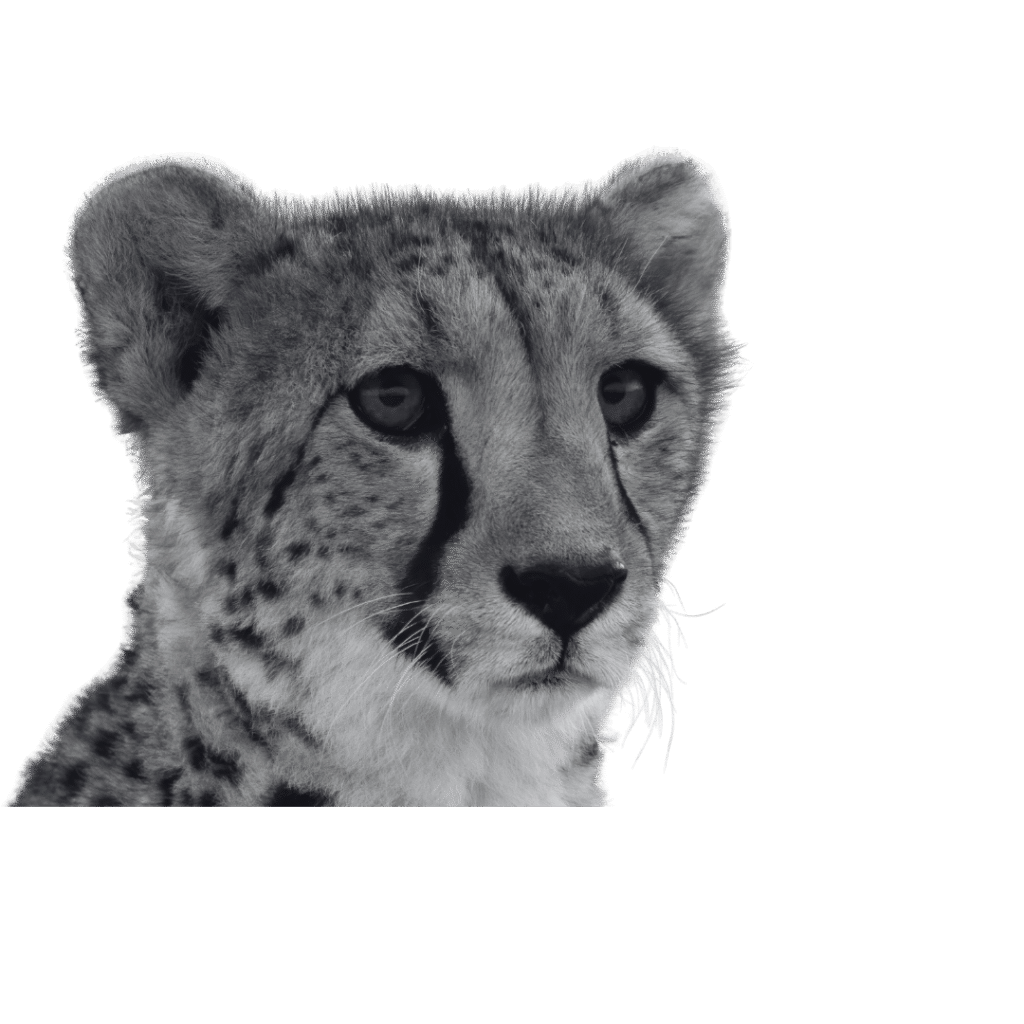
What makes it truly unique is its diversity in a confined space: lush grasslands, acacia forests, swamps, and a soda lake, all within just 260 square kilometers (100 square miles). This mix supports nearly every major African species, including lions, elephants, rhinos, buffaloes, zebras, wildebeest, flamingos, and more. The crater offers a self-contained ecosystem, where predator and prey coexist year-round without significant seasonal migrations.
Ngorongoro can be visited all year, but your experience may differ by season.
Most visitors begin their journey in Arusha, the safari capital of Tanzania. From Arusha, you can either:
Yes, and that’s part of what makes Ngorongoro extraordinary. Unlike most protected areas, the Ngorongoro Conservation Area was established in 1959 as a multi-use landscape, balancing wildlife conservation with human habitation. The indigenous Maasai people, known for their red robes, intricate beadwork, and semi-nomadic lifestyle, live within the area under strict guidelines that allow traditional herding but prohibit farming and hunting.
The Maasai have coexisted with the region’s wildlife for centuries, believing that all cattle were given to them by God. Visitors can visit Maasai bomas (villages) to learn about their culture, songs, and traditional dances, offering a rare chance to see how ancient customs blend with modern conservation.