
Tucked away on the southern edge of the Ngorongoro Conservation Area, Lake Eyasi is a shimmering seasonal soda lake that offers a unique mix of cultural encounters and dramatic landscapes. Far from the bustling tourist routes, this hidden gem invites travelers to step into a world where nature and tradition intertwine seamlessly. Its wide, open vistas, scattered acacia trees, and shimmering waters create an atmosphere of quiet beauty.
Lake Eyasi is more than just a scenic stop—it’s a cultural immersion into the lives of the Hadzabe bushmen and the Datoga tribe. Here, visitors can witness ancient hunting techniques, traditional metalworking, and age-old customs that have been passed down for generations. Birdlife thrives along the lake’s shores, and the surrounding woodlands harbor wildlife like baboons, vervet monkeys, and even the occasional flamingo.
Lake Eyasi lies in northern Tanzania, just southwest of the Ngorongoro Crater. The lake sits at the base of the Eyasi Escarpment, part of the Great Rift Valley, and is surrounded by semi-arid bushland and seasonal wetlands. Its location makes it an excellent cultural and scenic detour on the northern safari circuit.
Access to Lake Eyasi is typically via road from Karatu, about a two-hour drive on a mix of tarmac and dirt roads. While the journey can be bumpy, the scenery is rewarding, passing through villages and farmland. There are no scheduled flights directly to Lake Eyasi, but nearby airstrips in Manyara or the Ngorongoro area can be used in combination with a short drive.

January is warm and green, with the lake full from earlier rains. Birdlife is abundant, including flamingos and pelicans. Cultural visits to the Hadzabe and Datoga tribes are available year-round, and this month offers comfortable mornings for hunting walks and photography.
February remains lush, with high bird activity and vibrant landscapes. The Hadzabe are more active in early mornings, making it ideal for immersive cultural tours. Temperatures are warm, but the occasional breeze from the lake keeps conditions pleasant.
March brings the start of heavier rains later in the month. The lake remains full, and wildlife sightings in the surrounding bush are good. Fewer tourists visit, offering a more private and authentic cultural experience with local tribes.
April is in the peak of the long rainy season. Access roads can be muddy, but the area is spectacularly green. This is a peaceful time to visit for birdwatchers and photographers seeking dramatic skies and colorful landscapes without crowds.
May sees rains easing and clear skies returning. Cultural tours remain excellent, with cooler mornings ideal for joining the Hadzabe on traditional hunting trips. Bird activity continues to be strong, and landscapes are still lush.
June marks the start of the dry season. The lake begins to recede, exposing mudflats that attract wading birds. Cultural visits are pleasant thanks to cooler, dry weather. This is a great month for combining Lake Eyasi with nearby Ngorongoro safaris.
July offers cool, dry conditions and easy access via well-maintained roads. The lake may shrink, but this concentrates birdlife along its shores. Cultural encounters remain the main draw, and photography is excellent with clear skies and golden light.
August continues the dry season, with minimal rainfall and comfortable temperatures. Birding is still rewarding, and cultural tours are at their best. This is also peak safari season in Tanzania, making Lake Eyasi a calm retreat from busier parks.
September brings warmer days, and the lake is at its lowest levels, creating striking salt patterns and attracting flocks of wading birds. Cultural tours remain active, with Hadzabe hunting walks offering unforgettable insights into their ancient lifestyle.
October is hot and dry, with the lake often reduced to a shimmering crust. Bird sightings remain strong, and cultural experiences are uninterrupted. This is the last fully dry month before the short rains arrive.
Short rains refresh the landscape in November, drawing migratory birds back to the lake. The area turns green again, and temperatures cool slightly. Cultural visits are less dusty and more vibrant against the revived scenery.
December is lush and colorful after the short rains. Birding peaks again, and cultural tours take place in pleasant weather. The festive season brings more travelers, but Lake Eyasi retains its calm, off-the-beaten-path charm.
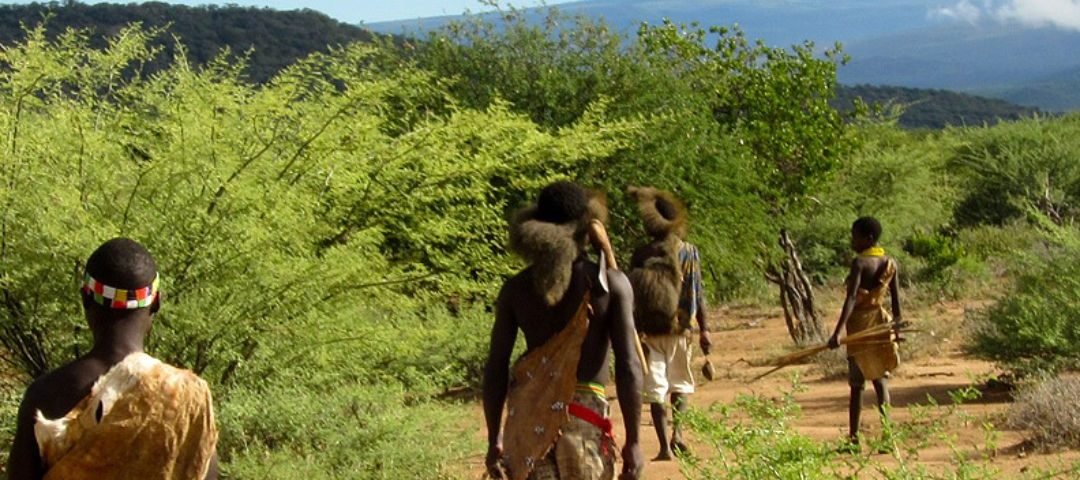
Lake Eyasi has been home to human cultures for thousands of years. The Hadzabe bushmen, one of the last hunter-gatherer tribes in East Africa, have lived here for generations, relying on the surrounding bushland for food and survival. Their traditions remain largely unchanged, offering a rare glimpse into an ancient way of life. Alongside them, the Datoga people—skilled pastoralists and blacksmiths—inhabit the region, practicing age-old metalworking techniques to craft tools and jewelry.
The lake itself is a seasonal soda lake that fluctuates dramatically with the rains. During the wet season, it fills with water and attracts birdlife from across the Rift Valley. In the dry season, it recedes to reveal shimmering salt flats. While not a traditional wildlife safari destination, Lake Eyasi’s blend of nature and culture makes it a unique stop that deepens the Tanzanian travel experience.
Lake Eyasi is primarily known for cultural tourism rather than traditional wildlife safaris. It’s one of the few places where you can spend time with the Hadzabe bushmen and Datoga tribe, experiencing ancient hunting, gathering, and metalworking traditions firsthand.
Yes Lake Eyasi is an excellent birding spot, especially in the wet season when it attracts flamingos, pelicans, storks, and other waterbirds. The surrounding bushland also hosts a variety of smaller species year-round.
One to two days is ideal. This allows time for immersive cultural visits, early morning hunting walks with the Hadzabe, and birdwatching along the lake’s shores.
Absolutely. Many travelers visit Lake Eyasi as a cultural extension to safaris in Ngorongoro Crater, Serengeti, or Lake Manyara, as it lies conveniently along the northern circuit.
Yes when done with experienced guides and in small groups, visits are conducted respectfully and benefit the community. Guests are encouraged to engage in a culturally sensitive manner.
The dry season (June–October) offers easy access and comfortable weather, while the wet season (November–May) provides lush scenery and peak birdwatching. Both seasons have distinct charms.
Yes—there are several lodges and camps ranging from budget to mid-range comfort. Most are located close to the lake or in nearby villages, offering easy access to cultural sites