
Mikumi National Park is one of Tanzania’s most accessible safari destinations, located just 283 kilometers west of Dar es Salaam. As part of the larger Selous ecosystem, it spans over 3,230 square kilometers, featuring expansive floodplains, grassy savannahs, and miombo woodlands. Its open terrain and proximity to major urban centers make it an excellent choice for first-time safari-goers.
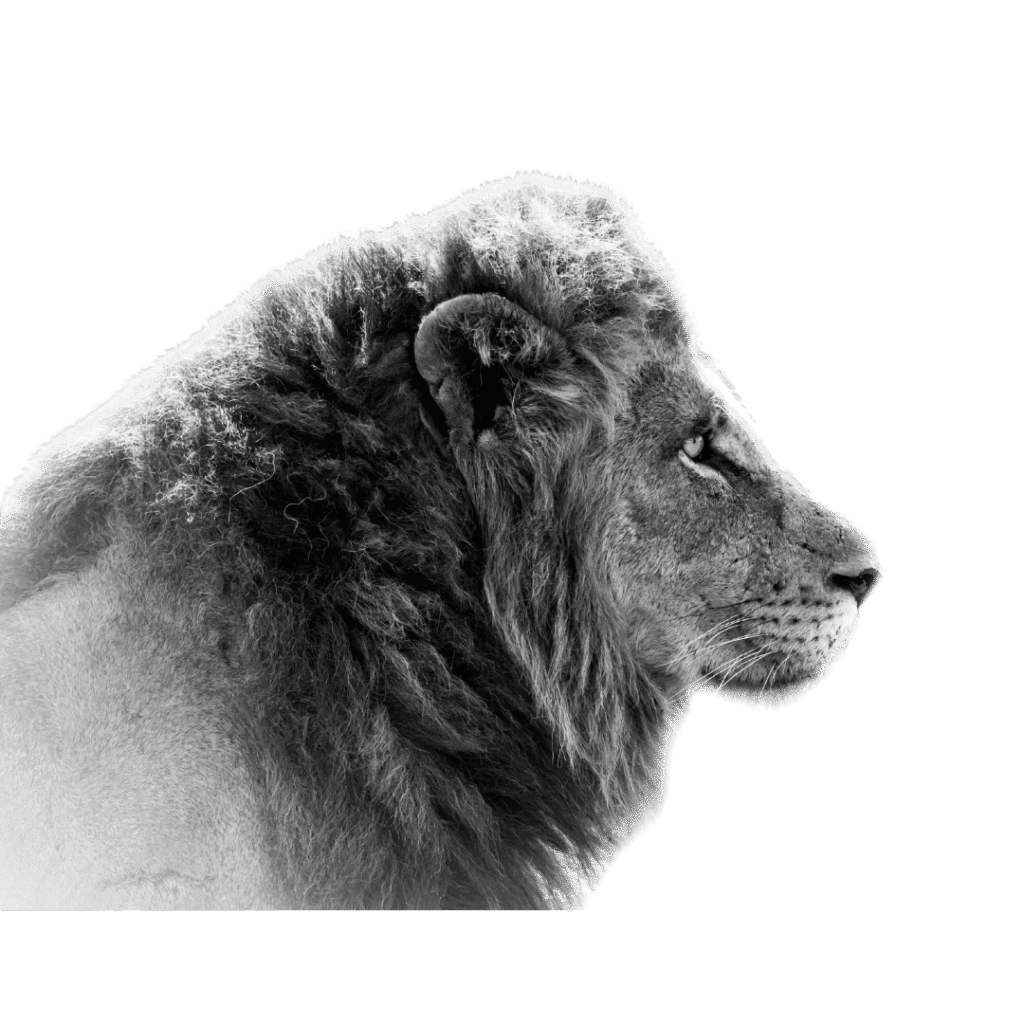
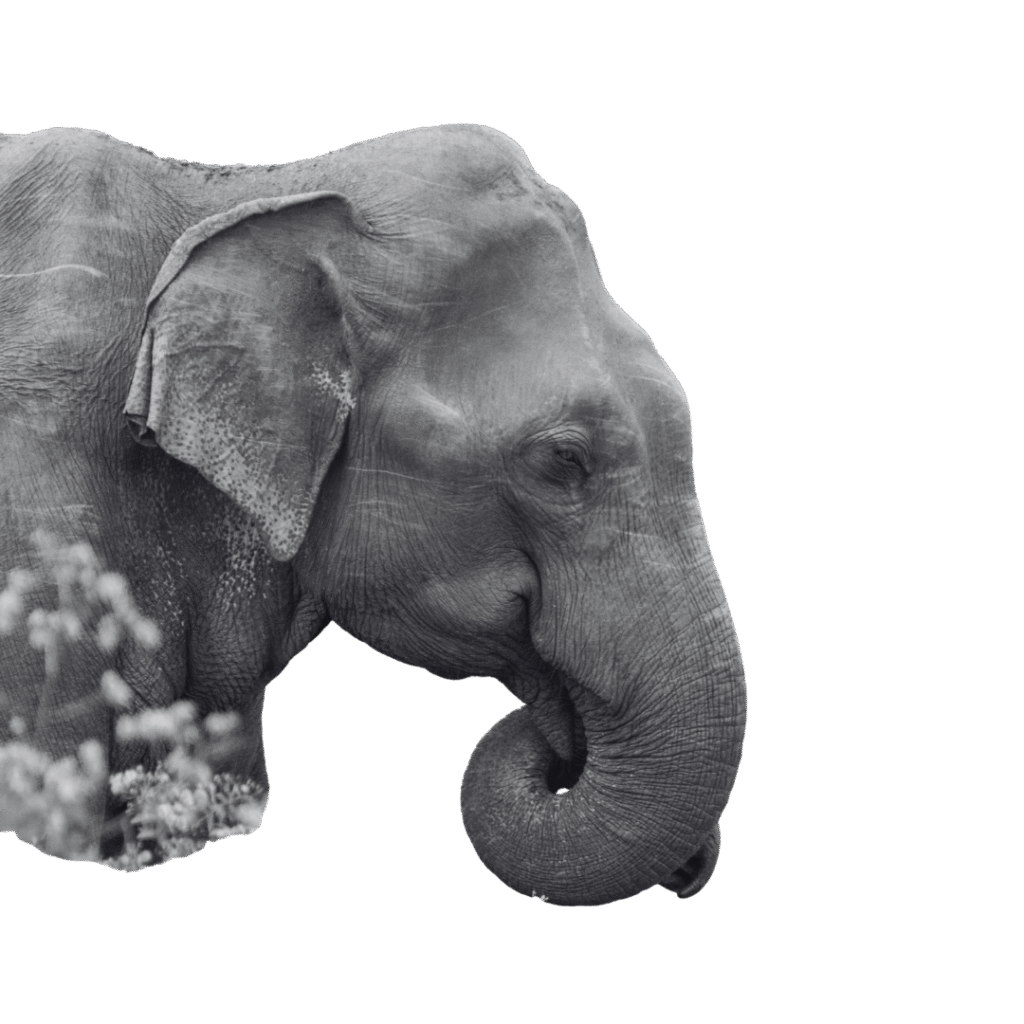
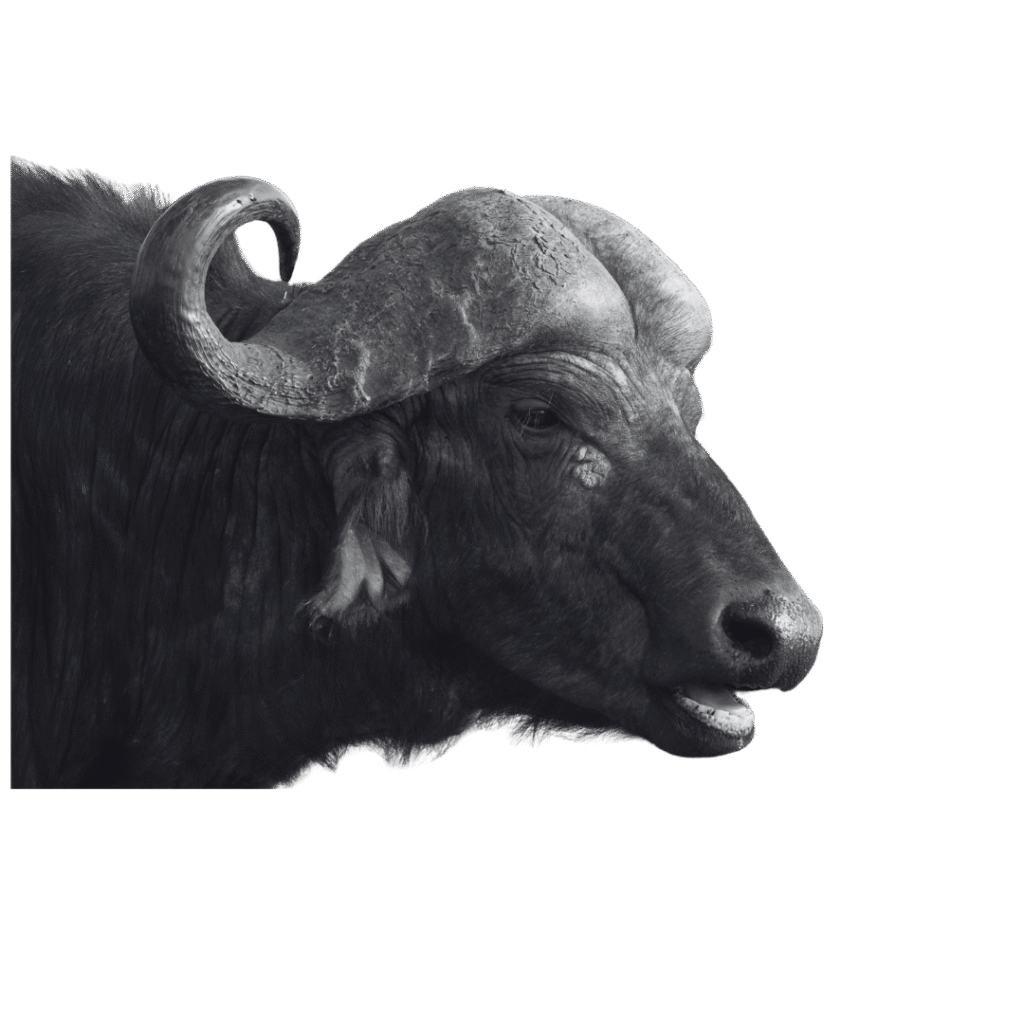
Mikumi is often compared to the Serengeti for its landscape and game density but offers a much quieter experience. Visitors can expect to encounter elephants, buffalo, giraffes, lions, zebras, wildebeests, and hippos. The Mkata floodplain is a central draw, especially during the dry season when animals gather in large numbers. Birdlife is equally impressive, with more than 400 species recorded.

The park is lush and green from the short rains. Birdwatching is at its peak with migratory species, though larger wildlife may be more dispersed.
Wildlife viewing improves slightly as water levels recede. Scenic drives through the green landscape are especially rewarding for photographers.
The onset of long rains begins. Wildlife viewing is more challenging, but the vibrant colors and blooming vegetation are captivating.
Rainfall continues, making some roads impassable. However, the park remains quiet and picturesque with flourishing greenery and active birdlife.
Rains start to ease, and animals become easier to spot as they begin returning to predictable water sources.
The dry season begins. Grass recedes, and wildlife concentrates around the Mkata River, improving visibility and game viewing.
A prime month for safaris. Animals congregate in large numbers, and the weather is dry and pleasant, perfect for extended game drives.
Game viewing continues to be excellent. The floodplain teems with herbivores, and predators are commonly seen in pursuit.
One of the best months to visit. Wildlife visibility is high, and the park is alive with activity around dwindling waterholes.
Conditions remain ideal for safaris. The landscape is golden and dry, enhancing the contrast in wildlife photography.
The short rains begin, bringing fresh greenery. Some animals start dispersing, but birdlife is revitalized.
The park is lush again. While game becomes more spread out, the scenery is stunning, and migratory birds return.
The Elewana Collection of 16 boutique lodges, camps and hotels is known for its unique accommodations in iconic locations across Kenya and Tanzania. Elewana crafts authentic and memorable safari experiences, providing the highest quality of luxury and comfort. Warm and genuine East African hospitality characterises a safari with Elewana, where guests are indulged with a luxurious and personalised stay.


Established in 1964, Mikumi National Park was designed to protect the rich biodiversity of Tanzania’s southern circuit. It lies adjacent to the Udzungwa Mountains and connects to the Selous Game Reserve, creating an extensive wildlife corridor that supports seasonal migrations and ecological balance.
Historically, the park’s location along the Dar es Salaam–Mbeya highway has made it a practical stopover for both tourists and researchers. Over time, it has gained recognition not just for its biodiversity but also for its critical role in regional conservation efforts.
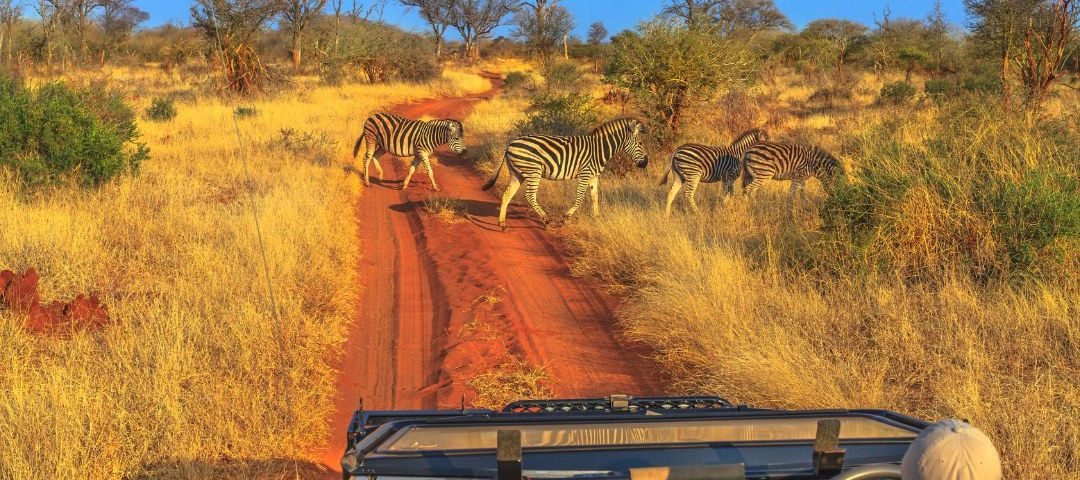
The Mkata floodplain is Mikumi’s most iconic feature, offering sweeping views of wildlife against a backdrop of distant mountains. This terrain has inspired comparisons to the Serengeti, though Mikumi’s quieter atmosphere is its own reward. Elephants, elands, and sable antelopes roam freely across these plains.
Today, Mikumi continues to thrive as a wildlife sanctuary and educational resource. Community-based conservation initiatives around the park help protect its resources while providing local economic opportunities. This balance ensures Mikumi remains a treasured gem in Tanzania’s safari landscape.
Mikumi is about a 5-hour drive (283 km) from Dar es Salaam via the Morogoro highway. It’s also accessible by charter flights to the park’s airstrip, making it ideal for short or weekend safaris.
Expect to see elephants, lions, zebras, giraffes, wildebeest, buffaloes, hippos, and crocodiles. The Mkata floodplain is especially active during the dry season. The park is also home to over 400 bird species.
Yes. Mikumi’s accessible location, developed infrastructure, and rich wildlife make it a great choice for family safaris. Several lodges offer family-friendly accommodations and activities
There are various options ranging from budget campsites to luxury lodges. Some are located within the park, offering views of nearby waterholes, while others lie just outside its boundaries.
Absolutely. As long as you follow park regulations and guidance from experienced guides, visiting Mikumi is safe. The park is well-managed and frequently visited by both locals and international tourists.