
Nestled in northern Tanzania, Tarangire National Park is a hidden gem of the safari circuit, famed for its massive elephant herds, iconic baobab trees, and dramatic seasonal landscapes. Covering about 2,850 km², this park offers an authentic, less-crowded safari experience where wildlife roams in abundance, and the scenery shifts with the seasons in stunning contrast.
Tarangire’s lifeline is the Tarangire River, which draws thousands of animals during the dry season, creating some of the highest concentrations of wildlife outside the Serengeti. Here, elephants gather in impressive numbers, lions lounge in the shade, and rare species like the fringe-eared oryx and gerenuk make special appearances. Whether you’re after classic big game sightings or rare bird encounters, Tarangire delivers a rich and immersive safari experience year-round.
Tarangire National Park lies about 118 km southwest of Arusha, making it one of the most accessible parks in Tanzania’s northern safari circuit. It is bordered by open wildlife areas and Maasai grazing lands, ensuring migratory corridors remain intact. The park is dominated by rolling savannah, seasonal swamps, and towering baobabs, with the Tarangire River cutting through its heart.
Travelers typically reach Tarangire by road from Arusha, a journey of about two to three hours on well-maintained roads. It’s often visited as the first stop on a safari before heading to Lake Manyara, Ngorongoro Crater, or Serengeti. For those preferring air travel, charter flights from Arusha or other northern parks can land at Kuro Airstrip inside Tarangire, offering quick and scenic access.
January offers lush green scenery after the short rains. Wildlife is more dispersed as water is abundant, but birdwatching is exceptional, with migratory species in full display. Elephants remain common, and predators can be seen patrolling open plains. It’s a quieter month, ideal for travelers seeking serenity and vibrant photographic landscapes.
February remains green and peaceful, with a mix of resident wildlife and excellent birding opportunities. While game concentrations aren’t at their peak, the park’s beauty and tranquility shine. It’s a good month for spotting newborn animals and enjoying warm, comfortable weather with fewer tourists, making the experience intimate and unhurried.
March sees the start of the long rains later in the month. Grasslands grow tall, making some animals trickier to spot, but elephants, giraffes, and buffalo are still visible. The park feels lush and alive, and the reduced crowds create a private wilderness feel for those who don’t mind occasional showers.
April is in the heart of the long rains, with fewer visitors and muddy roads in some areas. Wildlife viewing is still rewarding, with large herbivores roaming the greener plains. Photographers benefit from soft light, dramatic skies, and vibrant colors. Birdlife flourishes, making it a top time for avian enthusiasts.
May marks the end of the long rains. The park is beautifully green, and animal activity increases as the dry season nears. Elephants begin to congregate near the river, and predators follow. It’s a peaceful time with fewer tourists and scenic beauty that makes every game drive a pleasure.
June signals the start of the dry season. Wildlife begins concentrating along the Tarangire River, and sightings of elephants, zebras, and wildebeests increase. Vegetation thins, improving visibility. The weather is cool and comfortable, making it an excellent month for game drives and photography.
July brings peak wildlife viewing as the dry season takes hold. The river becomes a magnet for thirsty animals, attracting predators and prey alike. Large elephant herds dominate the landscape, and the cooler climate makes full-day safaris comfortable. It’s one of the park’s most spectacular months.
August is prime time in Tarangire. The dry season is in full swing, and wildlife congregations are massive, especially elephants. The scarcity of water in surrounding areas drives animals to the river, creating intense predator-prey interactions. It’s peak tourist season, so booking early is essential.
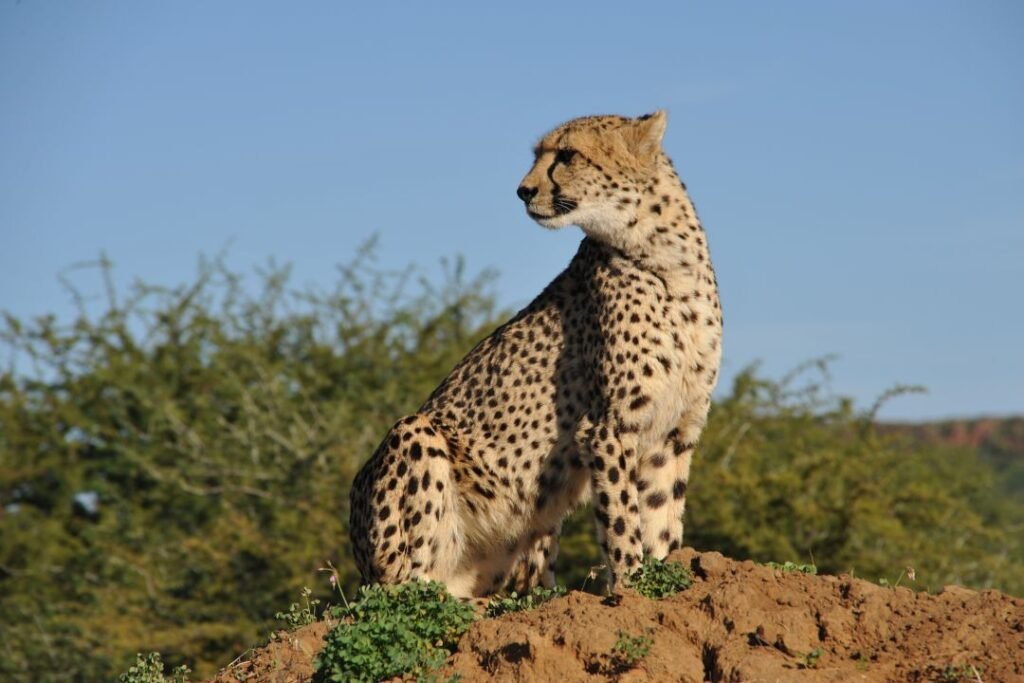
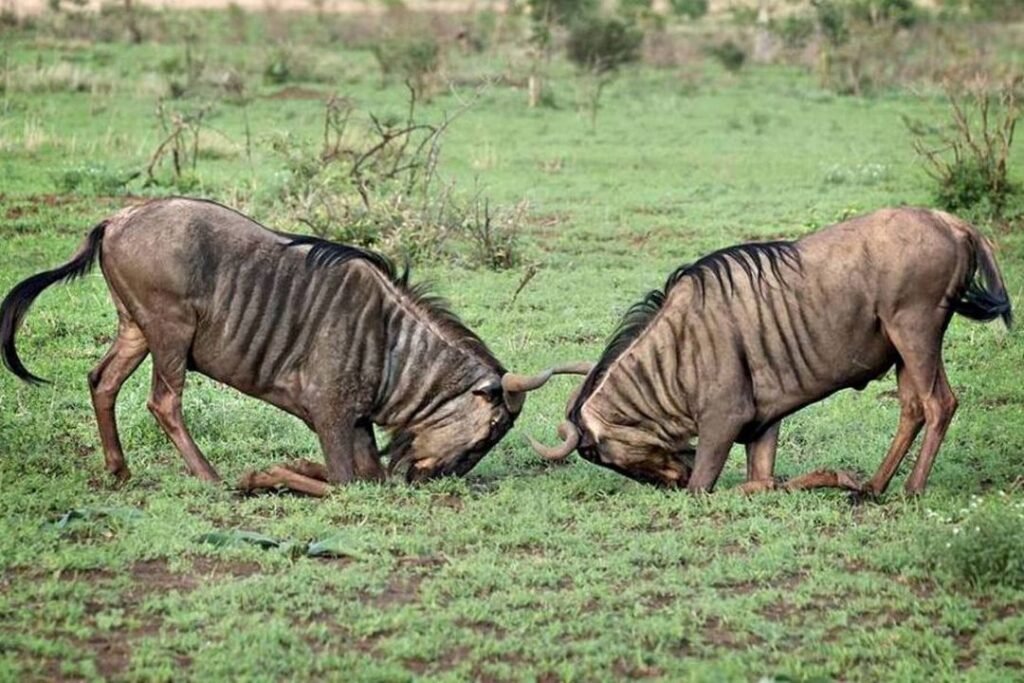
September continues with high game concentrations, especially along the river. Large herds of wildebeests, buffalo, and zebras gather, while lions, leopards, and cheetahs remain active. The dry, dusty atmosphere creates dramatic photo opportunities. It’s an unforgettable time for wildlife enthusiasts.
October marks the tail end of the dry season. Wildlife is still abundant, but temperatures begin to rise. Elephants remain in large groups, and predators are active before the rains return. Game drives are excellent, with high visibility and plenty of action around shrinking waterholes.
Short rains arrive in November, transforming the park into a green paradise. Animals spread out, but elephants and buffalo remain visible. Migratory birds return, delighting birdwatchers. Wildlife viewing is still rewarding, with fewer crowds and a fresh, rejuvenated landscape.
December offers a mix of green landscapes and active wildlife. The rains keep the park lush, and newborn animals appear. Elephants are still common, and predator sightings remain good. The festive season brings more visitors, but the park’s size ensures plenty of space for peaceful game viewing.



Tarangire’s history is deeply connected to the Maasai people, who grazed their cattle along the river long before colonial times. The park takes its name from the Tarangire River, a crucial lifeline that sustains wildlife during the harsh dry season. The area was a key grazing and hunting ground, known for its towering baobabs and seasonal migrations.
In 1970, Tarangire was declared a national park to protect its unique ecosystem and the vast numbers of elephants that migrate here annually. This move helped safeguard rare species like the fringe-eared oryx and the ashy starling. While the Maasai were restricted from traditional grazing within park boundaries, their culture remains intertwined with the surrounding landscape, and conservation efforts today aim to balance wildlife protection with community needs.
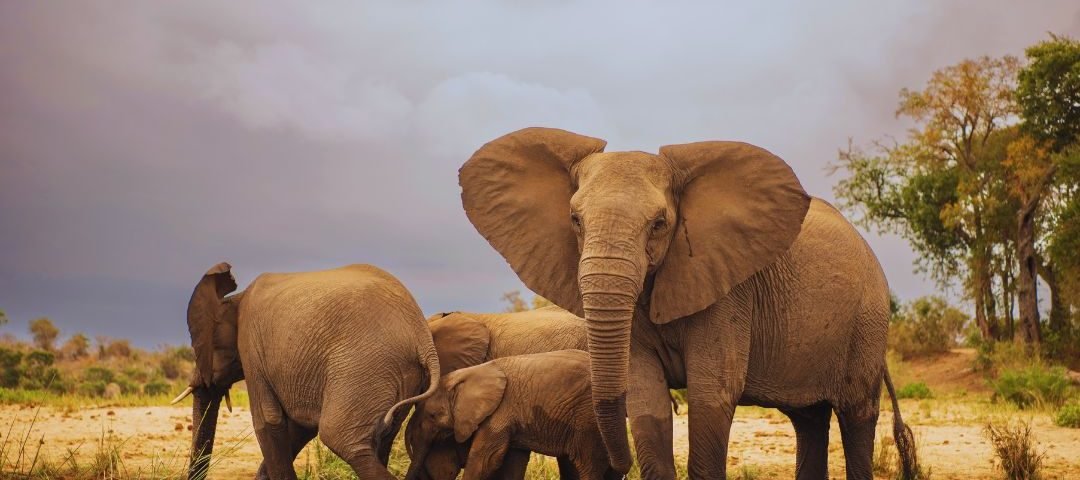
Tarangire is renowned for its massive elephant herds—sometimes numbering over 300 in a single gathering—and iconic baobab trees. Its seasonal wildlife concentrations along the Tarangire River are among the highest in the region during the dry season, offering dramatic predator-prey interactions in a less-crowded setting compared to Serengeti or Ngorongoro.
While you can spot four of the Big Five here (lion, leopard, buffalo, and elephant), rhinos are absent. Tarangire compensates with unique species such as the fringe-eared oryx, greater kudu, and large pythons, making it a rewarding destination for both first-time and repeat safari travelers.
Two to three days are ideal to fully explore the park’s varied habitats—from riverine forests to open plains—and witness its incredible elephant gatherings. Longer stays allow for relaxed game drives, birdwatching, and visits to quieter corners less frequented by day-trippers.
Yes Tarangire is a birdwatcher’s paradise, with over 500 recorded species. From colorful lilac-breasted rollers to endemic ashy starlings and giant kingfishers, the park offers exceptional opportunities for avian photography and spotting both resident and migratory species.
Absolutely. While the dry season (June–October) offers peak wildlife concentrations, the green season (November–May) brings lush landscapes, fewer crowds, and excellent birding. Each season has its charm, making Tarangire a rewarding destination any time of year.
Tarangire is about a two- to three-hour drive from Arusha, making it easily accessible for short trips or as the first stop on a longer safari. The road is paved most of the way, with the final stretch being well-graded gravel.
Yes certain lodges and concession areas adjacent to the park offer guided walking safaris, providing a more intimate way to experience Tarangire’s landscapes, plants, and wildlife. These walks are led by armed, knowledgeable guides for safety and educational value.