
Set between the bustling city of Arusha and the majestic Mount Kilimanjaro, Arusha National Park is a small yet diverse treasure of northern Tanzania’s safari circuit. Covering just 137 km², it offers a stunning mix of landscapes—from lush montane forests and sparkling crater lakes to open savannah and the towering peak of Mount Meru, Tanzania’s second-highest mountain.
What makes Arusha National Park unique is its remarkable variety within a compact area. Here, you can spot giraffes grazing in open grasslands, colobus monkeys leaping through treetops, and flamingos feeding in alkaline lakes—all in a single day. Its tranquil trails, canoeing opportunities, and bird-rich wetlands make it a perfect blend of safari, adventure, and scenic beauty, ideal for both first-time and repeat visitors.
Arusha National Park is located just 25 km east of Arusha town, making it the most accessible park in northern Tanzania. It lies at the foot of Mount Meru and includes three main areas: Ngurdoto Crater, the Momella Lakes, and the montane forests of Mount Meru’s slopes.
Traveling to the park is straightforward. Most visitors arrive via Kilimanjaro International Airport (JRO) or Arusha Airport, followed by a 30–45 minute drive. Its close proximity to the city makes it ideal for day trips or as a relaxing introduction or finale to a longer safari. While road access is excellent, adventurous travelers can also explore parts of the park on foot or by canoe.

January offers warm weather and clear skies, ideal for game drives and mountain views. The short rains have ended, leaving the park lush and green. Wildlife is active, and birdwatchers enjoy sightings of migratory species around the Momella Lakes. It’s a peaceful month with fewer tourists.
February brings stable weather and excellent visibility for photography, especially of Mount Meru. The park’s varied habitats host giraffes, buffalo, zebras, and troops of colobus monkeys. Birding remains excellent, and walking safaris are enjoyable in the dry, comfortable conditions.
March sees the onset of the long rains later in the month. The forested slopes are vibrant, and mammals are easy to spot in open areas. Fewer tourists mean a quieter experience, though occasional showers are expected.
April is the peak of the long rains, making the park especially green and tranquil. While some trails can be muddy, the lush scenery and abundant birdlife make it rewarding. This is the least crowded time to visit.
June starts the dry season. Clear skies and thinner vegetation improve visibility for spotting wildlife in both forest and open areas. It’s also a great month for hiking on Mount Meru’s lower slopes.
July offers crisp, cool mornings and sunny days. Wildlife is active around water sources, and game drives are comfortable. This is one of the best months for hiking and walking safaris due to mild temperatures.
August is dry, sunny, and excellent for wildlife viewing. Animals gather near the Momella Lakes, attracting predators. Birding is still good, and the park sees moderate tourist numbers.
September remains dry, with increasing temperatures. Wildlife sightings are consistent, and walking safaris are at their best. The park’s open vistas and clear views of Mount Meru make for superb photography.
October brings the end of the dry season. The first signs of short rains may appear late in the month, but wildlife viewing remains strong. This is also a prime time for birdwatchers, with migrants beginning to arrive.
November is the short rains season, refreshing the park’s greenery. Flamingos and other waterbirds become more abundant on the lakes, and animals spread across the park’s varied habitats.
December offers a lush, green park with active wildlife. The festive season brings more visitors, but the park’s small size ensures intimate experiences. Migratory birds peak, making it a birder’s delight.


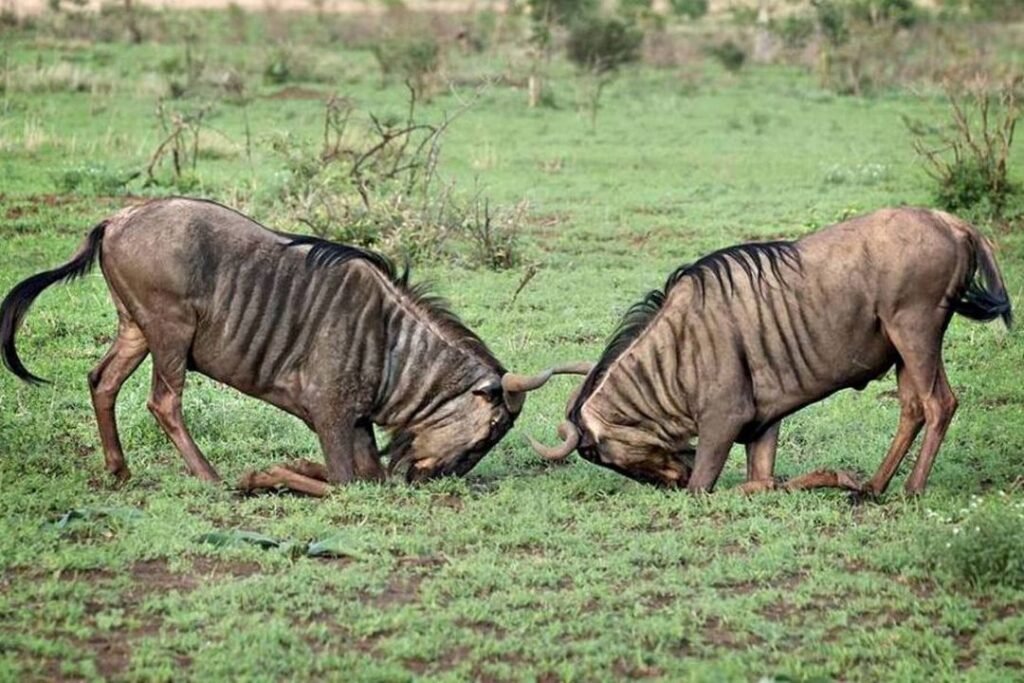

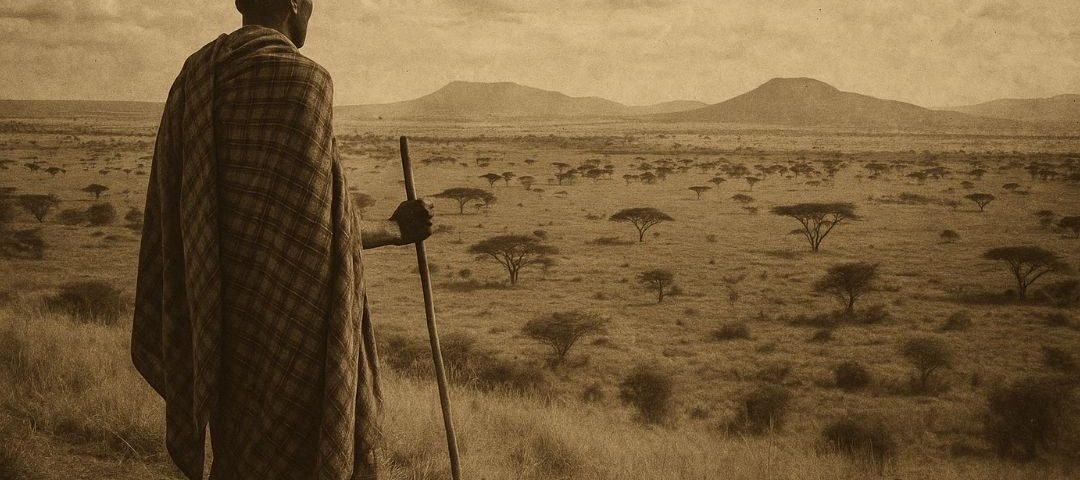
The area now known as Arusha National Park has long been home to the Meru people, who lived in harmony with the land’s forests, lakes, and wildlife. The park’s name comes from the nearby city of Arusha, itself named after the local Waarusha community. The Ngurdoto Crater and Momella Lakes were important grazing and hunting grounds, while Mount Meru’s slopes provided fertile farmland.
In 1960, the Ngurdoto Crater and Momella Lakes area was declared a national park. Four years later, the park was expanded to include Mount Meru’s forests and highlands, creating one of Tanzania’s most diverse protected areas. Today, it serves as both a conservation stronghold and a popular gateway to the northern safari circuit, blending wildlife protection with community engagement.
Its diversity in a small area ranging from montane forest to crater lakes allows visitors to see multiple habitats in a single day. It also offers walking safaris and canoeing, experiences not available in many other Tanzanian parks.
No while the park has buffalo and leopard, it lacks elephants and lions in significant numbers, and there are no rhinos. However, its landscapes, primates, and birdlife make it a rewarding visit.
One day is enough to explore the main highlights, but two days allow for a mix of game drives, walks, and canoeing for a fuller experience.
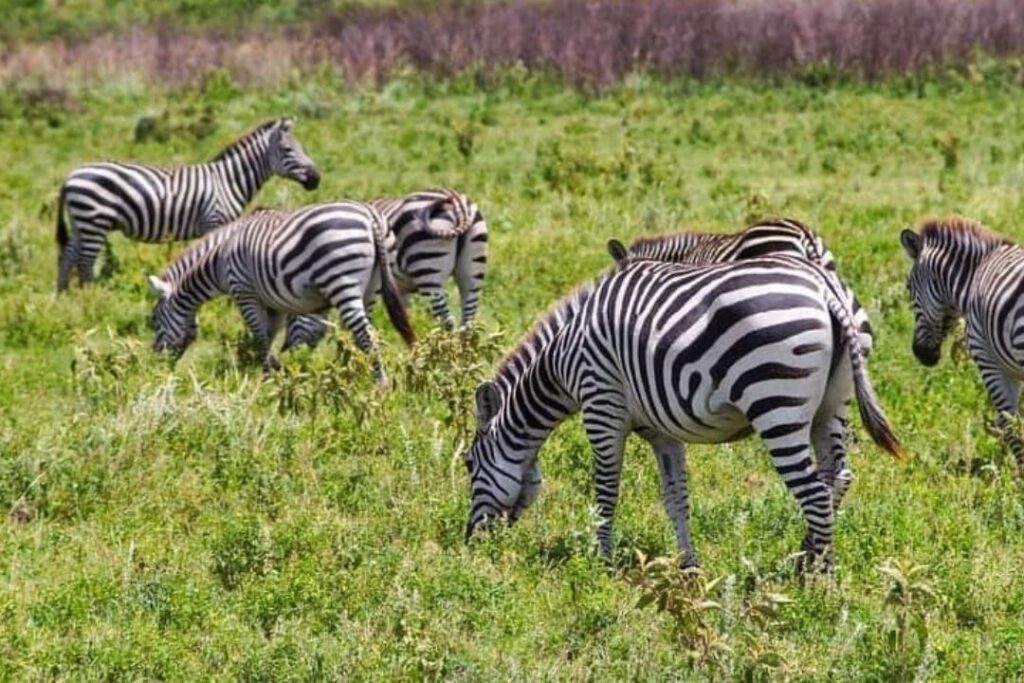
Yes—Arusha National Park is one of the few in Tanzania where guided walking safaris are common, offering close encounters with giraffes, zebras, and other wildlife.
Absolutely. Its forested areas, volcanic craters, and lakes offer a completely different environment and species compared to the open savannahs of other parks.
Only a 30–45 minute drive, making it perfect for a short escape or the first stop on a northern circuit safari.
Yes—Mount Meru is located within the park and offers a challenging yet rewarding climb, with spectacular views of Kilimanjaro and the surrounding plains.