
Nestled at the base of the Great Rift Valley escarpment in northern Tanzania, Lake Manyara National Park is a hidden gem that blends breathtaking scenery with remarkable wildlife diversity. Famous for its tree-climbing lions, massive flocks of pink flamingos, and dense groundwater forests, the park offers a unique safari experience unlike any other in the region. The shimmering alkaline lake dominates its heart, attracting countless bird species and creating a serene backdrop for game drives.
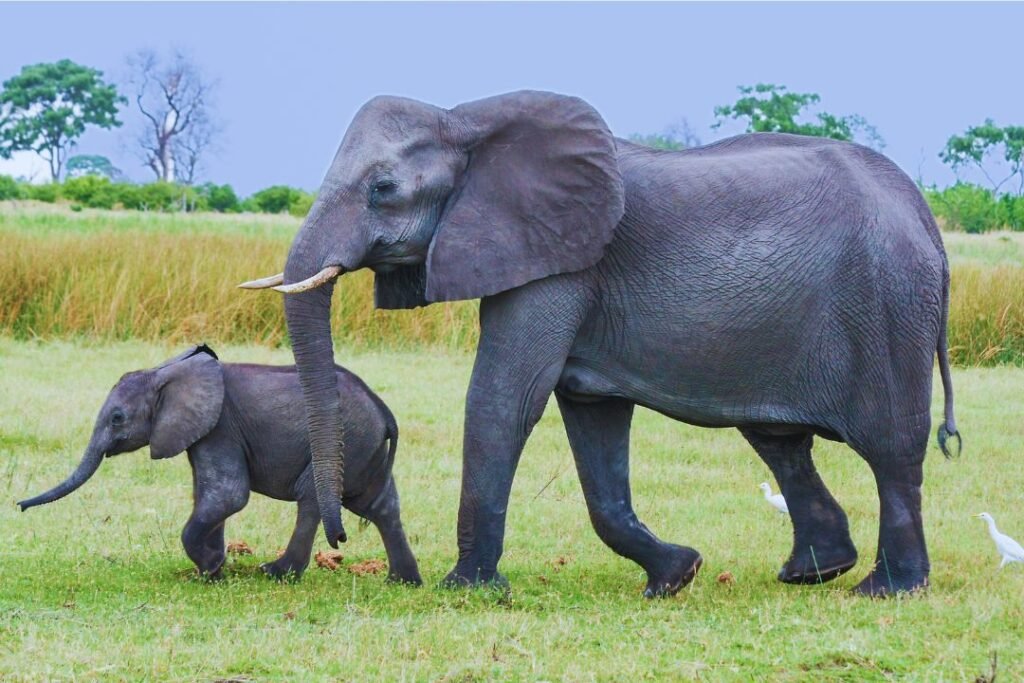
Beyond its beauty, Lake Manyara is a haven for elephants, hippos, giraffes, and baboons, as well as an impressive array of raptors and waterbirds. Compact yet incredibly diverse, the park’s varied habitats—from acacia woodlands and open grasslands to marshes and hot springs—ensure that every safari here is full of surprises. Whether you’re a bird enthusiast, wildlife photographer, or first-time safari-goer, Lake Manyara’s charm lies in its intimacy and ecological richness.
Lake Manyara National Park lies in northern Tanzania, along the route between Arusha and Ngorongoro Crater. Covering about 330 km², it stretches from the Rift Valley escarpment to the alkaline waters of Lake Manyara, with nearly two-thirds of its area submerged in the lake during the wet season. Its strategic location makes it a popular stop on the northern safari circuit, often combined with Tarangire, Ngorongoro, or Serengeti National Parks.
Getting to Lake Manyara is simple. The park is just 126 km (about a two-hour drive) from Arusha, with a well-paved road leading to its gate. For those preferring air travel, there’s a small airstrip near the park, with flights from Arusha, Serengeti, and Zanzibar. Its proximity to major destinations means visitors can easily include it as a half-day or full-day excursion, making it an accessible yet rewarding safari experience.
January marks the start of the short dry season. The park is lush from the earlier rains, with excellent birding conditions as migratory species flock to the lake. Wildlife can be harder to spot in the thick greenery, but the vivid landscape and fewer crowds make it a serene and photogenic time to visit.
With warm temperatures and drier paths, February offers ideal conditions for walking safaris and game drives. Animals gather near remaining water sources, increasing the chances of spotting tree-climbing lions. The lake remains vibrant with flamingos and other waterfowl, and lush vegetation provides a scenic backdrop for photographers.
Early March is still relatively dry but transitions into the long rains by the month’s end. The scenery remains lush, and birding is at its peak. Expect intermittent showers and fewer tourists, making it a great time for travelers who value solitude and dramatic skies over guaranteed clear weather.
April sees heavy rains, turning the park into a green oasis. While game drives can be more challenging due to muddy roads, the wet conditions breathe life into the park. Migratory birds are abundant, and the lush forested areas buzz with activity. It’s a peaceful time with very low tourist numbers.
As rains continue, the park is in full bloom. Wildlife viewing improves slightly as animals re-emerge between downpours. The lake’s water level is high, attracting wading birds and pelicans. May is ideal for visitors seeking tranquility and don’t mind occasional rain in exchange for lush, cinematic landscapes.
The long dry season begins. June brings cooler temperatures and clearer skies, making it an excellent time for game drives. Wildlife becomes easier to spot as vegetation recedes and animals cluster near water sources. It’s a great time to see elephants, giraffes, and large troops of baboons.
July is peak safari season. Wildlife sightings are consistent, and road conditions are optimal. The scenery is drier, but that aids visibility. Tourists increase, so early bookings are recommended. Elephants roam freely, lions are active, and hippos gather in shrinking pools. A classic safari experience awaits.
August continues the dry season, with comfortable temperatures and little rain. Wildlife concentrations remain high, particularly around waterholes. This is a popular time for family safaris, and Lake Manyara delivers with diverse habitats and engaging sightings. Migratory birds begin to arrive near the month’s end.
The park remains dry and excellent for wildlife watching. With thinning vegetation, tree-climbing lions and elephants are more visible. September offers warm, dust-kissed light—perfect for photographers. Flamingo populations fluctuate but are often present in striking numbers, turning the lake into a pink-hued spectacle.
The short rains arrive, reviving the landscape with fresh greenery. Game drives remain productive, and the park begins to regain its lush charm. Flamingos and pelicans decorate the lake, while baboons and warthogs forage across renewed grasslands. Crowds thin out, offering a more exclusive safari.
Rains persist in early December, creating a mosaic of green plains and vibrant forests. Game viewing remains solid, especially near water bodies. Birdwatching is superb, with colorful migrants joining resident species. As the holiday season approaches, it becomes a magical time to enjoy nature’s rejuvenation.
The Elewana Collection of 16 boutique lodges, camps and hotels is known for its unique accommodations in iconic locations across Kenya and Tanzania. Elewana crafts authentic and memorable safari experiences, providing the highest quality of luxury and comfort. Warm and genuine East African hospitality characterises a safari with Elewana, where guests are indulged with a luxurious and personalised stay.
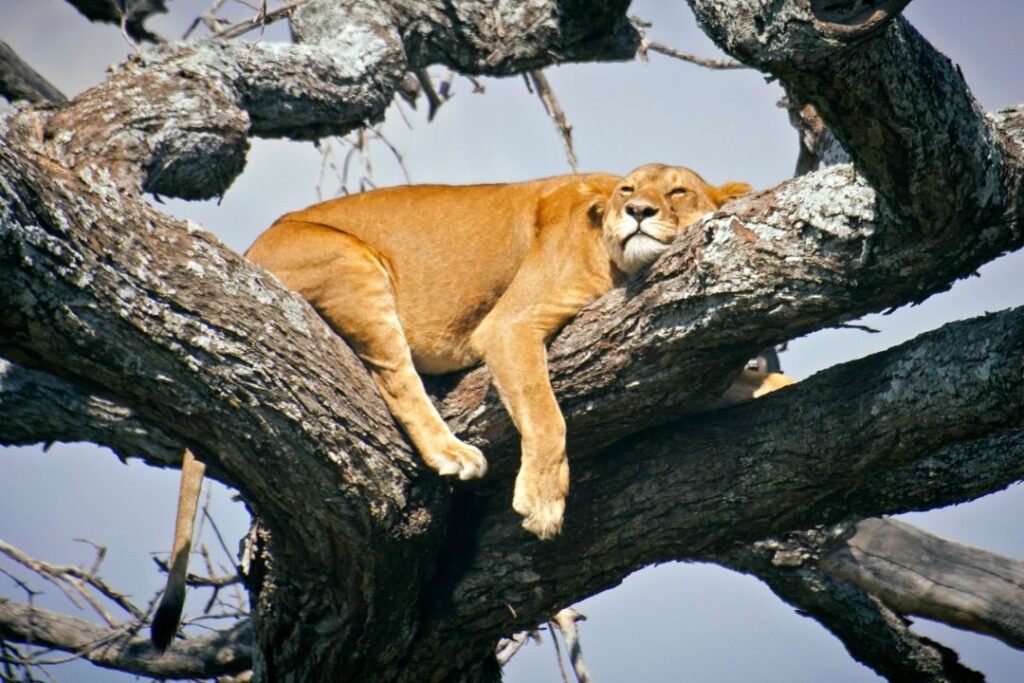

The story of Lake Manyara National Park is deeply tied to the Great Rift Valley and its unique ecosystems. The park’s name comes from the “emanyara” plant—a type of Euphorbia—that local Maasai communities use to build protective livestock enclosures. For centuries, the Maasai grazed their cattle along the lake’s shores, coexisting with the rich variety of wildlife that thrived in the area’s forests, wetlands, and open plains.
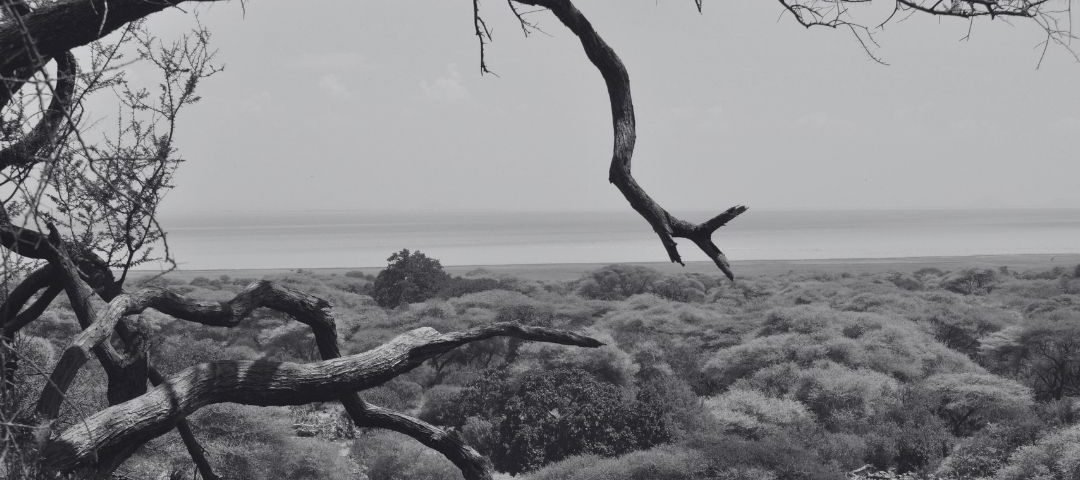
In 1960, the park was officially established to protect its remarkable biodiversity, particularly its elephant populations and abundant birdlife. Since then, Lake Manyara has become famous for its unusual tree-climbing lions and massive flocks of flamingos. Its creation helped preserve one of Tanzania’s most ecologically diverse areas, where lush groundwater forests meet the alkaline lake’s edge, offering an irreplaceable sanctuary for species found nowhere else in such density.
Lake Manyara offers an incredible mix of ecosystems in a compact space—forests, grasslands, marshes, and an alkaline lake—supporting tree-climbing lions, massive elephant herds, and diverse birdlife. Its scenic Rift Valley backdrop and year-round accessibility make it a perfect addition to any northern Tanzania safari.
A full-day visit allows you to explore the park’s diverse habitats and spot a wide variety of wildlife. Half-day trips are also rewarding, especially for travelers on tight schedules, but a full day maximizes your chances of seeing both forest and lakeshore species.
Absolutely. The park is a birdwatcher’s paradise, home to over 400 species. Highlights include flamingos, pelicans, herons, storks, and raptors. Seasonal changes bring migratory species, making it a rewarding destination for ornithologists and casual bird lovers alike.
Flamingos are present most of the year, but their numbers peak during the wet seasons (November–May) when lake levels are favorable. The pink swath they create along the shoreline is one of Lake Manyara’s most iconic sights.
While sightings aren’t guaranteed, Lake Manyara is one of the few places in Africa where lions regularly climb trees. The dry season (June–October) often provides better chances, as lions rest in branches to escape heat and biting insects.
Yes, the park is accessible throughout the year. The dry season (June–October) is best for general wildlife viewing, while the wet season (November–May) offers lush scenery, migratory birds, and large flamingo flocks.
Definitely. Its location between Arusha and Ngorongoro makes it an easy stop on the northern circuit, often paired with Tarangire, Ngorongoro Crater, or Serengeti. Many itineraries include it as a half-day visit en route to larger parks.