
Located in northern Tanzania, Serengeti National Park is one of Africa’s most celebrated wildlife destinations. Its endless golden plains, scattered acacia trees, and dramatic skies offer more than just breathtaking views—they set the stage for one of the planet’s greatest natural spectacles: the annual Great Migration. This incredible journey of over a million wildebeest, zebras, and gazelles across vast landscapes is unmatched in scale and drama.
But Serengeti National Park is more than just migration. It is a year-round sanctuary for wildlife and a living tapestry of predator-prey interaction, traditional Maasai culture, and ecological balance. With over 70 large mammal species and 500 bird types, it’s an unforgettable experience whether you’re a photographer, conservationist, or simply an adventurous soul.
Serengeti National Park is located in northern Tanzania, bordered by the Ngorongoro Conservation Area to the southeast and Kenya’s Maasai Mara to the north. The park forms part of the larger Serengeti ecosystem, covering roughly 30,000 km², and is known for its vast savannahs, seasonal rivers, and acacia-dotted plains. Its central location makes it a key stop on the northern safari circuit, often combined with visits to Ngorongoro Crater, Lake Manyara, or Tarangire National Park.
Getting to Serengeti National Park is straightforward, with options for both air and road travel. Most travelers arrive via Kilimanjaro International Airport (JRO) or Arusha Airport, followed by a light aircraft flight to one of Serengeti’s regional airstrips—such as Seronera, Kogatende, or Ndutu. Road access is also possible through the Ngorongoro Area, though it requires a long drive (6–8 hours) on rough terrain. While more time-consuming, the overland journey offers scenic views and additional wildlife encounters en route.
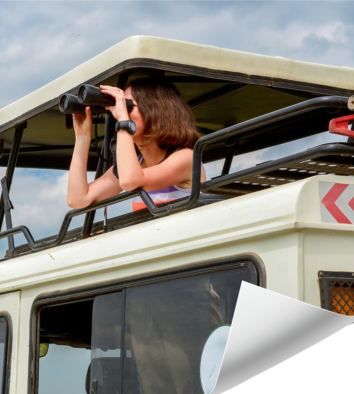
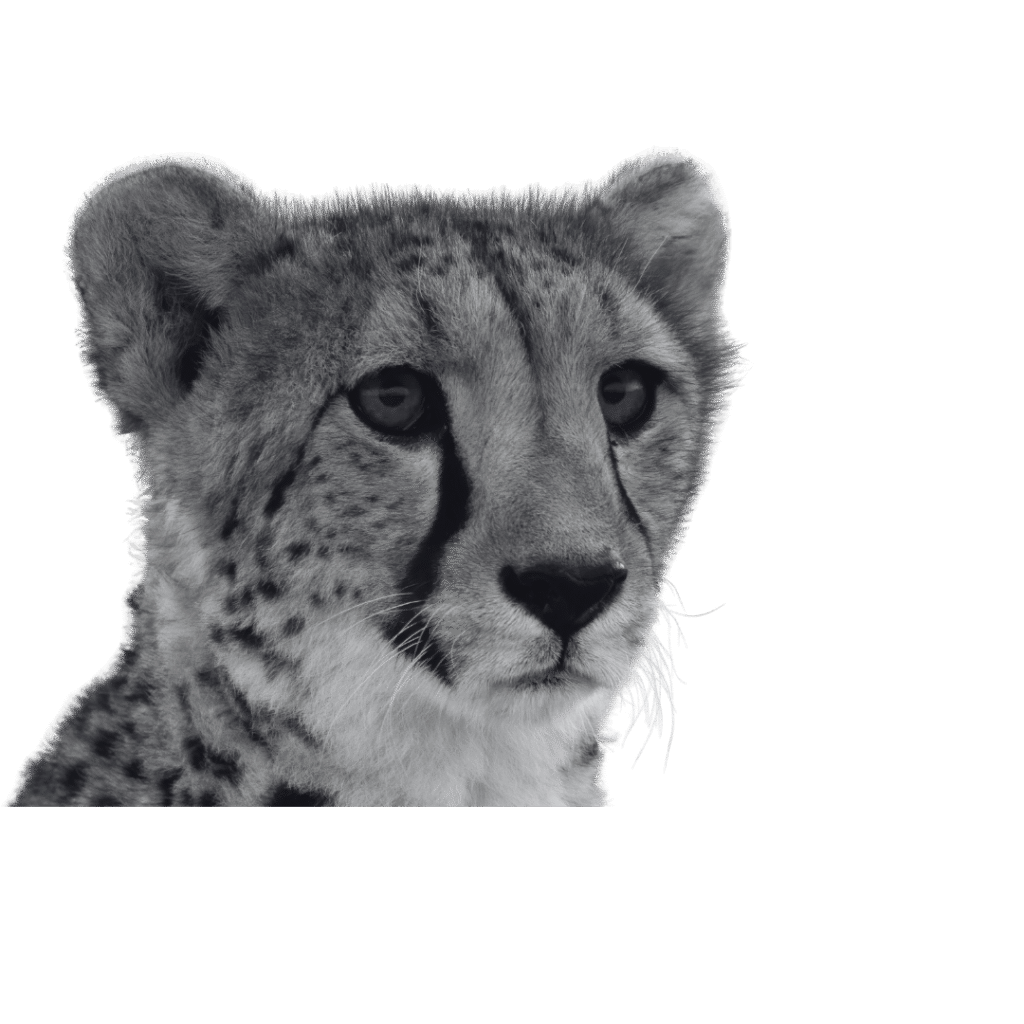
January is calving season in the southern Serengeti and Ndutu area. The plains are lush and green, drawing massive herds of wildebeest and zebra. With abundant prey, predators like lions and cheetahs are highly active, offering thrilling sightings. The weather is warm with occasional rains, creating a vibrant landscape and excellent opportunities for wildlife photography and birthing scenes.
February is the heart of calving season. Thousands of newborn wildebeests are born daily, and predator activity peaks. The Ndutu region remains the prime location, with large congregations of wildlife and dramatic predator-prey interactions. Birdlife is also abundant due to the wet conditions. Despite the rains, game viewing is superb, and roads are generally accessible within the southern Serengeti.
March marks the end of the calving season. The landscape is still green, and wildlife is abundant. Predators remain highly visible, capitalizing on the vulnerable young. Rainfall increases later in the month, making the terrain muddier. This is a great time for travelers who prefer fewer crowds, with rich photographic opportunities and active animal behavior across the southern grasslands.
April is part of the long rainy season, making it one of the quietest months in Serengeti National Park. While roads can become slippery, the park’s beauty is unmatched—lush greenery, blooming flowers, and dramatic skies dominate the scenery. Game viewing is still rewarding, especially in the central region, and birdwatchers enjoy migratory species. Prices are often lower during this period.
In May, rains start to ease and the wildebeest herds begin moving northwest toward the Western Corridor. Grumeti River starts to see animal crossings, and predator activity follows closely. Although the park remains relatively quiet with fewer tourists, game viewing can be excellent, and landscapes are still green and photogenic. It’s a peaceful time to enjoy the Serengeti’s raw beauty.
June is the start of the dry season and an ideal time to witness the Great Migration in the Western Corridor. Wildebeest herds prepare to cross the crocodile-infested Grumeti River. Vegetation begins to thin, improving visibility for game drives. The weather is cooler and more comfortable, with sunny skies and minimal rainfall, making it one of the best safari months.
July brings the migration northward to the Grumeti and Mara Rivers. Dramatic river crossings begin, drawing predators and offering unforgettable safari experiences. Northern Serengeti starts buzzing with wildlife activity. The weather is dry and cool, perfect for travel. It’s peak season, so expect more tourists, but the spectacular game viewing and stable conditions make it entirely worthwhile.
In August, the Great Migration is in full swing in the northern Serengeti. Herds cross the Mara River in dramatic fashion, often chased by predators. The landscape is dry, so wildlife congregates near water sources. This month is excellent for photography, predator action, and river scenes. Lodges in the north fill quickly, so booking early is highly recommended.
September continues with thrilling Mara River crossings in the north. Predator-prey encounters are frequent, especially near water. The dry season’s end creates high visibility and great conditions for wildlife spotting. While the migration starts thinning, there’s still plenty of action. This is a prime month for those seeking dramatic scenes, cooler weather, and the best of northern Serengeti.
October is the tail end of the dry season. The migration starts heading south again, and the herds move from northern to central Serengeti. Wildlife is still abundant, and the reduced dust and dry grass improve visibility. Temperatures begin rising, and crowds thin slightly, making it a great time for less-busy yet rewarding game drives.
Short rains return in November, turning the plains green once again. The migration spreads out across central and eastern Serengeti. Calving hasn’t begun yet, but herds are actively moving south. Migratory birds return, and temperatures warm up. Game viewing remains excellent, and the reduced tourist numbers offer a more peaceful safari experience during this transitional season.
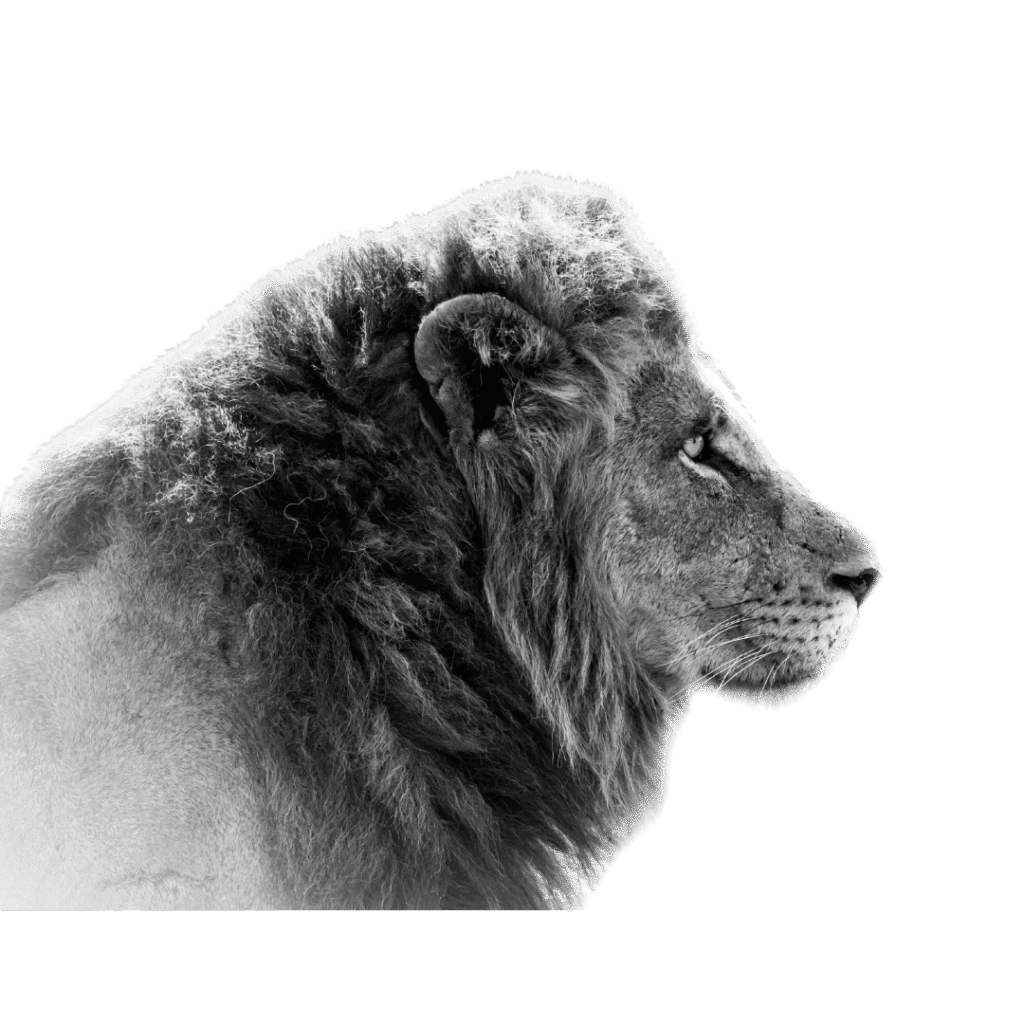
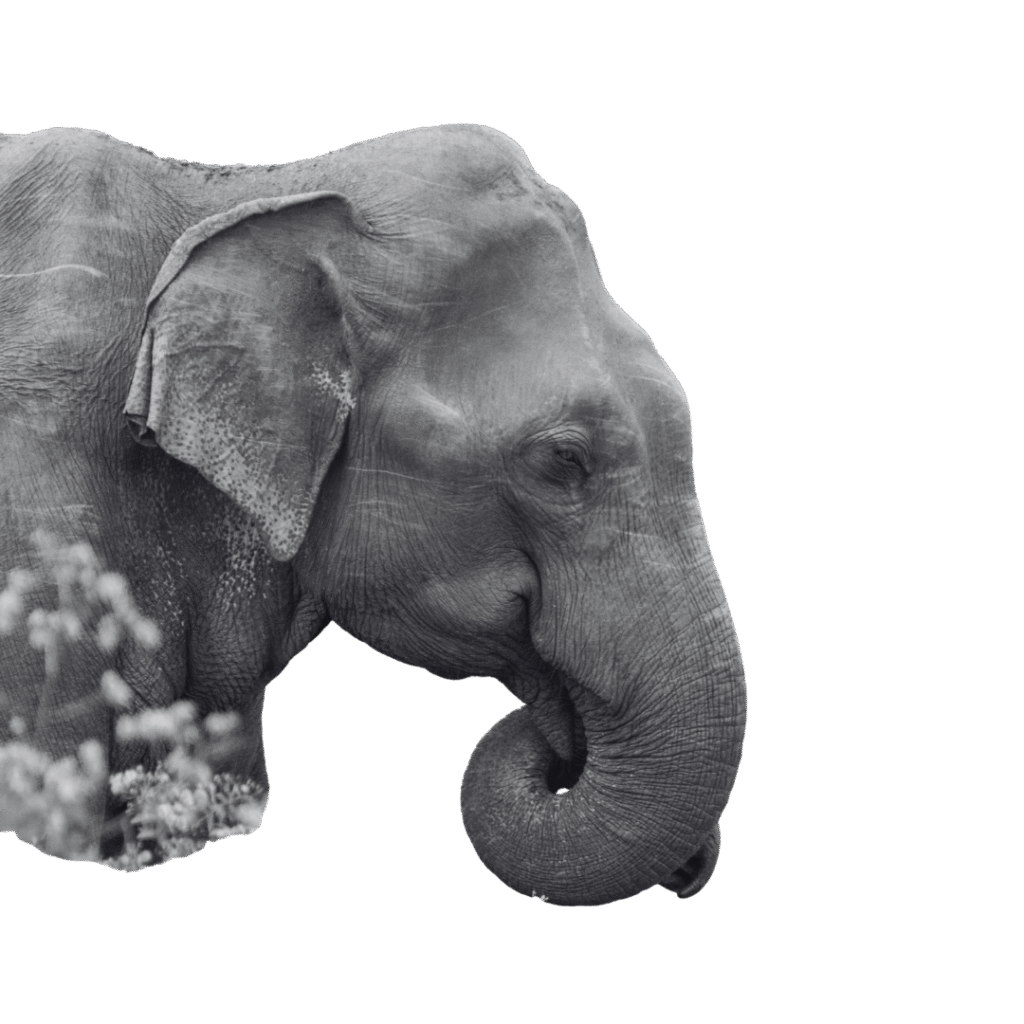


The story of Serengeti National Park begins thousands of years ago, when the land was inhabited by hunter-gatherers and later by the Maasai people, who named it Siringet, meaning “the place where the land runs on forever.” For generations, the Maasai coexisted with wildlife, guiding their herds across the open plains. The Serengeti’s unique ecology—marked by vast grasslands, river systems, and scattered kopjes—supported one of the most diverse concentrations of wildlife on Earth, setting the stage for future conservation efforts.
By the early 20th century, European explorers and hunters were drawn to the region’s abundant big game. Alarmed by declining animal populations, the British colonial government designated part of the Serengeti as a game reserve in the 1920s. This eventually led to the formation of Serengeti National Park in 1951, making it one of Tanzania’s first protected areas. While the park’s creation helped safeguard wildlife, it also displaced the Maasai from their ancestral grazing lands, a complex chapter that still influences conservation discourse today.
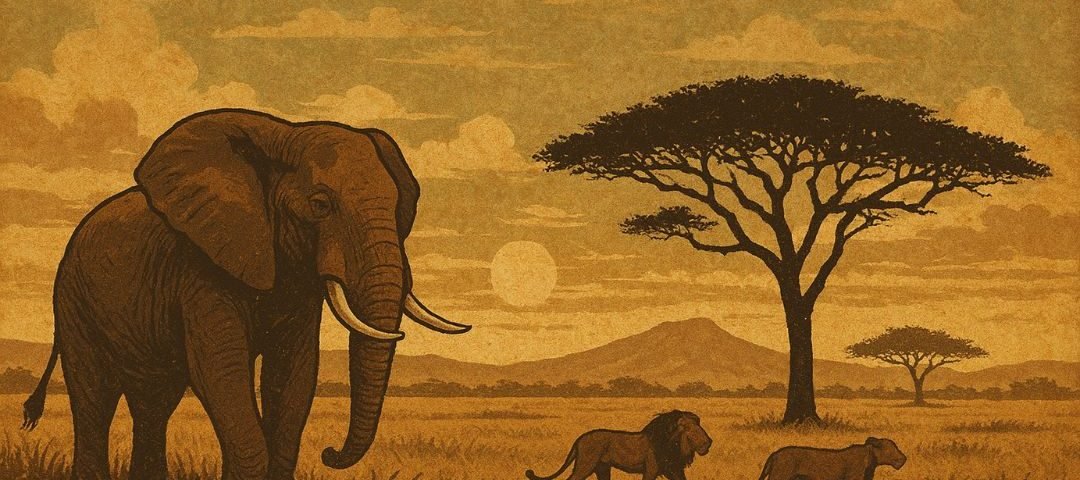
The story of Serengeti National Park begins thousands of years ago, when the land was inhabited by hunter-gatherers and later by the Maasai people, who named it Siringet, meaning “the place where the land runs on forever.” For generations, the Maasai coexisted with wildlife, guiding their herds across the open plains. The Serengeti’s unique ecology—marked by vast grasslands, river systems, and scattered kopjes—supported one of the most diverse concentrations of wildlife on Earth, setting the stage for future conservation efforts.
By the early 20th century, European explorers and hunters were drawn to the region’s abundant big game. Alarmed by declining animal populations, the British colonial government designated part of the Serengeti as a game reserve in the 1920s. This eventually led to the formation of Serengeti National Park in 1951, making it one of Tanzania’s first protected areas. While the park’s creation helped safeguard wildlife, it also displaced the Maasai from their ancestral grazing lands, a complex chapter that still influences conservation discourse today.
The Serengeti is home to the largest land-based animal migration on Earth—the Great Migration—featuring over 1.5 million wildebeests and hundreds of thousands of zebras and gazelles. Its vast, open landscapes support all Big Five species and high predator concentrations. The diversity of ecosystems (plains, river valleys, kopjes, and woodlands) ensures incredible wildlife viewing year-round, making it a standout safari destination globally.